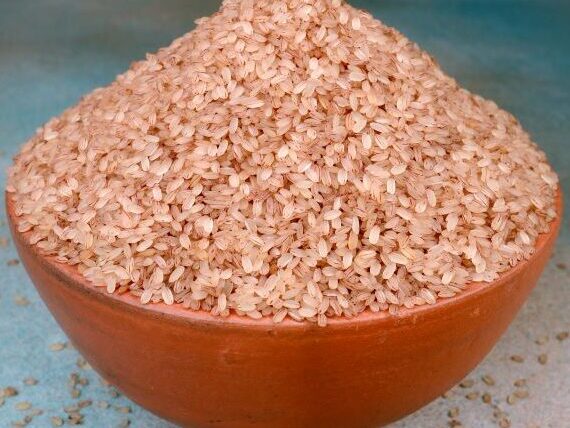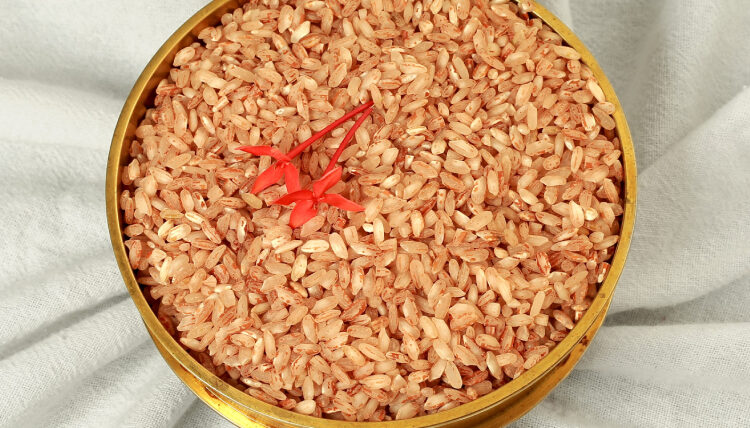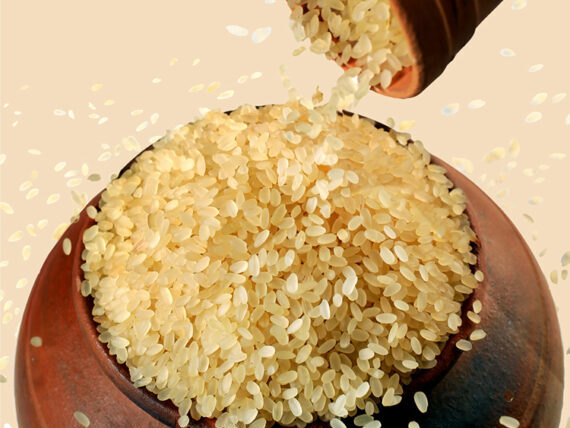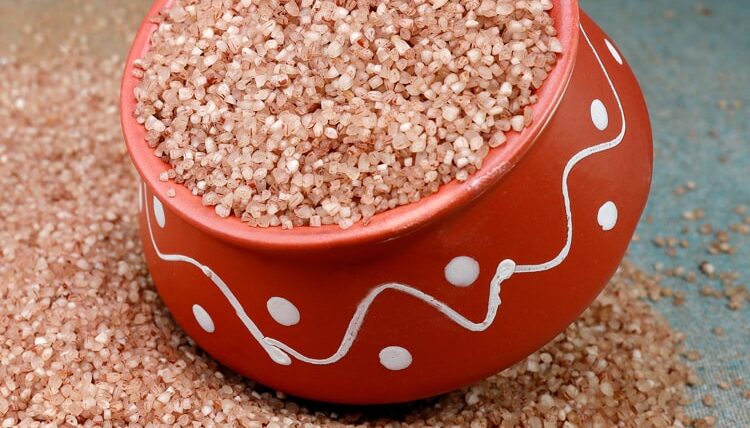
Matta broken rice

Matta Broken Rice: A Healthy Staple for Indian and International Kitchens

Matta broken rice is a household name in Kerala, especially when there are toddlers or the elderly at home.  They simply exist as they are healthy and consistent. They are traditional yet found their own space in contemporary kitchens as well.

In God’s Own Country, families have depended on it for generations. Now, it’s not only the local darling but also slowly entering health-oriented homes and even overseas kitchens.

Therefore, let’s discuss the reason why it is unique, why it is beneficial for your family, how Rabbit Modern Rice Mill preserves the tradition with technology and carefulness.

If you want to explore it straight away, you can visit www.rabbitmill.in    

What is Matta Broken Rice?

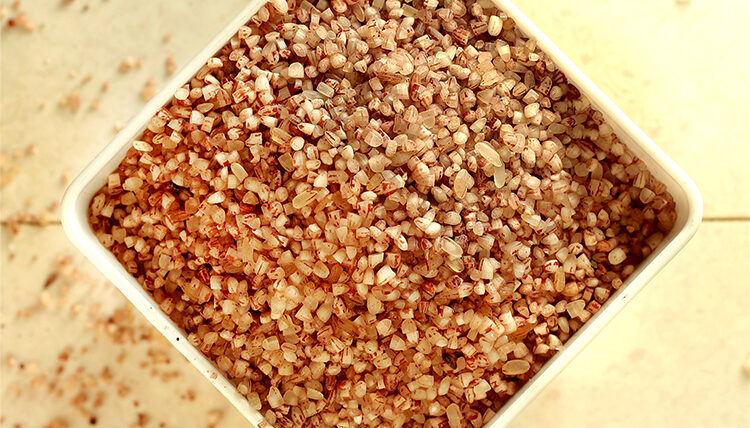
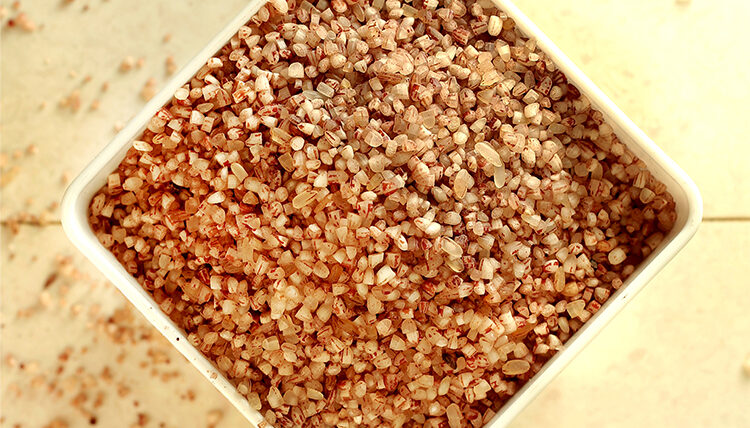
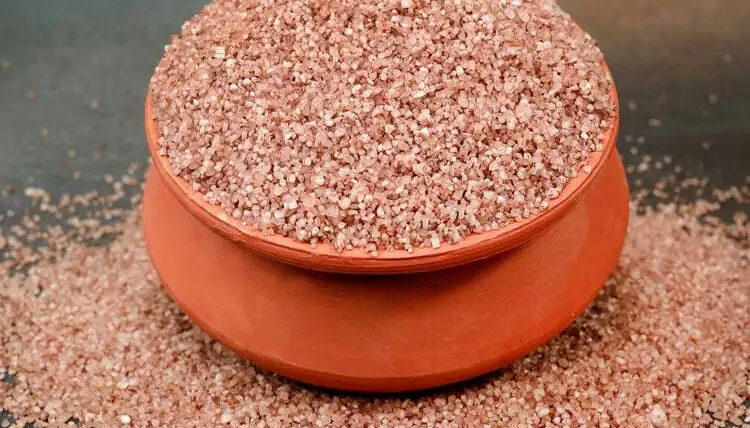
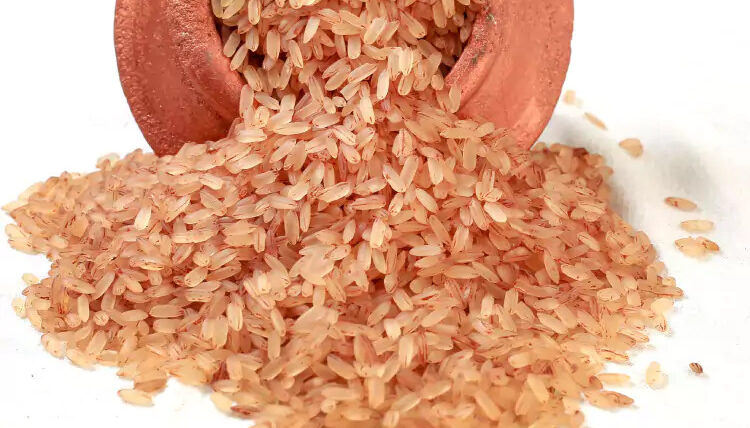
While milling matta rice, some grains break naturally. That broken rice is our hero here – Matta Broken Rice. Simply put, they are smaller pieces of the same wholesome grain. They have not undergone any polishing tricks or been infused with any chemical additives.

Why is Matta Broken Rice Different

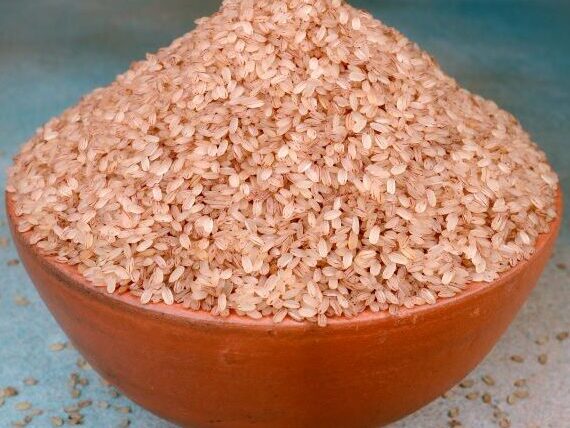
This rice variety is easier to cook and digest while retaining the rich reddish hue of Palakkad rice. Being unpolished, it keeps its bran layer, which is the main source of its nutrition. Whether or not families knew the nutritional facts, they valued it for being easy to cook, gentle on the stomach, and treasured it for those very reasons.

Everyday Dishes with Matta Broken Rice

Rice porridge (Kanji) and Upma are staples in countless South Indian homes.

Kanji: When you have a fever or need something easy to digest, your first choice is often Kanji. It is soft, light, and soothing—the comfort food you can always rely on.

Upma: Traditionally, Upma is prepared using Rava or Sooji. But those who have tried Upma made of Broken Matta Rice will tell you how refreshing it is. The nutty flavor and soft bite make it special. It pairs really well with spices and vegetables, without making your tummy feel heavy.

Whether you are cooking for children, the elderly, or for yourself, dishes with Matta Broken Rice fits right in.

Why elders trust it — and nutritionists recommend it

One reason this rice has stuck around is how well it works for older people.

As we age, digestion slows. Heavy, polished white rice can cause bloating or leave you sluggish. Matta broken rice, on the other hand, is:

  • Easily digestible: The smaller grains soften quickly, making them gentle on the stomach.
  • Nutrient-rich: High in fiber, iron, and minerals, unlike heavily polished varieties.
  • Satisfying: It fills you up with less, which helps control portion sizes naturally.

Nutritionists often highlight whole-grain rice options for balanced diets. This one fits neatly into that category, while also being culturally familiar—especially for those who grew up with indigenous Kerala rice on their plates. 

The Palakkad difference: how it’s made

Not all Matta broken rice is the same. The secret lies in where and how it’s processed.

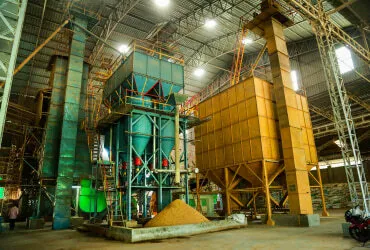
At Rabbit Modern Rice Mill in Palakkad, the journey starts with high-quality matta paddy sourced locally. Palakkad is known for its fertile soil and long tradition of rice cultivation—so the grain itself carries a reputation.

Here’s what happens next:

  1. The paddy is dried using steam, a method that protects its natural nutrients.
  2. It is then half-boiled using the latest technologies, locking in nutrition and improving shelf life.
  3. Finally, the rice is milled with precision to ensure quality, taste, and consistency.

This careful balance of tradition and technology is why Rabbit Mark’s rice stands out. It’s not just any broken rice — it’s Kerala Matta broken rice, processed in a way that respects its heritage while meeting modern standards of hygiene and packaging. 

Why families and professionals choose it

Every customer has a different reason:

  • A homemaker wants rice that tastes like the one her mother cooked, with the assurance that it’s pure and consistent.
  • A health-conscious professional wants something fiber-rich, natural, and quick to cook—without chasing expensive imported grains.
  • Restaurants and retailers need a reliable supply, steady quality, and proper packaging so they can serve or sell it confidently.

That’s the gap Rabbit Mark fills.

Their rice isn’t just about taste. It’s about trust. Forty years of milling experience means you know exactly what you’re bringing home.

From local kitchens to international shelves

It’s easy to think of matta rice as a “Kerala thing.” But that’s changing. Indian supermarkets in the Gulf, the UK, and the US stock it because expatriate families won’t cook without it. But now, even beyond the Malayali community, nutrition-conscious people are picking it up as an alternative to white rice.

Why? Because the world is waking up to whole-grain rice. To grains that are indigenous, unpolished, and organic. To foods that aren’t stripped down in the name of refinement. And that’s exactly what organic Matta broken rice offers. 

A simple grain with many roles

If you think about it, it’s rare to find a grain that can do all this:

  • Comfort food for elders
  • Wholesome upma for families
  • A fiber-rich choice for fitness enthusiasts
  • A reliable bulk product for restaurants and retailers

That’s why it’s stayed relevant for decades—and why it’s likely to keep growing in demand, both in India and abroad.

Where does that leave you?

If you’re looking for rice that isn’t just filler on the plate — if you want something nutritious, authentic, and trustworthy — Matta broken rice deserves a place in your kitchen.

And if you want to make sure you get it from a source that values tradition, quality, and technology in equal measure, you already know the name: Rabbit Modern Rice Mill.

They’ve been milling in Palakkad since 1980. They’ve earned the trust of homemakers, professionals, and businesses alike. And they’ll make sure what you serve on the plate is as real as it gets.Take a look at their offerings here: rabbitmill.in.
Read More
Matta Rice

Matta Rice Nutrition Facts Every Health-Conscious Buyer Will Love

There’s rice, and then there’s Matta Rice—the grain with that unmistakable reddish glow, slightly nutty bite, and a kind of rustic honesty that polished white rice can’t even dream of. For centuries, it’s been a staple across Kerala kitchens, cooked in clay pots, steamed for family feasts, and ladled into bowls of kanji. Nowadays, as more and more people adopt a health-conscious eating habit, it suddenly feels like the grain was waiting for its moment.

The Slow-Burning Fiber

The first thing nutritionists point out? Matta Rice keeps its bran, which is the outer covering of the rice varieties containing a lot of fiber content. Fiber that cushions digestion and makes meals satisfying. Fiber is one of the dietary elements that gives you the feeling of being full in a comprehensive manner. A bowl of matta rice at lunch can stretch its effects well into the evening, while polished rice leaves you hungry and cranky two hours later.

Minerals That Matter

Essential nutrients are where matta rice gets serious, as it contains magnesium, iron, calcium, zinc, and manganese. Each mineral acts as an invisible engine running processes in your body that you barely notice until they falter. Magnesium fuels muscles and nerves, iron feeds blood, and calcium guards bones and teeth like silent sentries, all the while zinc and manganese take care of tuning enzymes and immune defense.

Contrast this with stripped-down white rice, which loses nearly everything in the polishing process. Eat matta rice, and you’re essentially eating rice the way nature intended, with all the benefits.

A Gentler Touch on Blood Sugar

Carbs have gotten a bad reputation ever since the advent of various diets, but the nuance matters. Matta rice has a lower glycemic index than its gleaming white counterpart. Which means instead of spiking sugar in a dramatic burst and then abandoning you, it delivers a steady stream. For those managing diabetes or drowning with pre-diabetic symptoms, that difference is critical.

Antioxidants in the Color

That reddish-brown hue? Not an accident. It signals natural antioxidants, compounds like anthocyanins, that defend your cells against stress. Think of them as tiny shields, protecting tissues from damage caused by unstable molecules roaming around unchecked. Long-term, foods like matta rice contribute to resilience against chronic diseases like heart disease, certain cancers, and various lifestyle diseases.

Gluten-Free, Guilt-Free

For anyone steering clear of gluten, matta rice is a friend. No wheat proteins lurking inside, no digestive landmines waiting to trigger discomfort. Just a clean grain that adapts easily to porridge, curries, or even Kerala-style biryanis.

A Quiet Ally for the Heart

Pair the magnesium, the antioxidants, and the fiber together, and you end up with a rice that quietly supports cardiovascular health. Fiber trims bad cholesterol, magnesium stabilizes blood pressure, and antioxidants ease inflammation. Matta rice is not that flashy or trendy, but it is effective in the background, meal after meal.

Energy That Lasts

Matta rice is a carb with a significant difference. The structure of matta rice slows down digestion, releasing energy gradually instead of dumping it all at once. Perfect for people who need consistent output of energy that lasts a longer time, like athletes, students, and professionals slogging through long days. 

Tradition Meets Modern Science

Farmers in Kerala didn’t analyze nutrient charts or glycemic indexes. They grew matta rice because it sustained communities. Families trusted it because it was nourished across generations. Now science confirms what tradition always knew.

In an age obsessed with superfoods, Matta rice feels refreshingly unpretentious. Even without any exotic branding, it has always stayed in the market for the health-conscious buyers to notice.

Ready to Bring Matta Rice Home?

You’ve seen the nutrition facts and know how much of an advantage it is, proving that the grains you choose matter as much as the meals you make. And the good news? You don’t have to look far for the right source.

Deep in Kerala, Rabbit Mark Modern Rice Mill has built its reputation on something simple: rice with integrity. Sourced directly from trusted farmers, carefully processed, and delivered with the same care it’s been grown with, so what reaches your plate isn’t just rice; it’s a promise of authenticity and health.

For the health-conscious buyer, that promise means everything.

Read More
Vadi Matta Rice

Vadi Matta Rice: 10 Smart Storage Tips Every Distributor Must Know

If you’ve been in the rice trade long enough, you already know one thing — Vadi Matta Rice is not like your regular white rice. It’s heavier. It’s got that beautiful earthy aroma. And it’s the kind of rice customers remember and come back for.

But here’s the challenge: keeping it in top shape till it reaches their plate.

For distributors, retailers, or restaurant suppliers, storing Vadi Matta Rice well is not just about preventing wastage. It’s about maintaining the signature taste, texture, and quality that make people choose it over cheaper alternatives.

If the storage isn’t right, the rice loses its colour, flavour, and even its cooking quality. And that can cost you, in both sales and reputation.

Let’s discuss smart ways to store it. Practical tips that you can use in your warehouse, godown, or shop.

(By the way, if you want a steady supply of premium Vadi Matta Rice without worrying about quality drops, Rabbit Modern Rice Mill has been doing this for decades — here’s where you can reach us) 

Why Storage Matters So Much for Palakkadan Vadi Matta Rice

Vadi Matta Rice, also known as Kerala Matta Rice or Jyothi Rice, is an indigenous Kerala rice variety with a thick outer bran. That bran layer is what gives it the earthy taste, the reddish-brown colour, and higher nutrition compared to polished white rice.

The catch? That same bran also contains natural oils. And oils can go rancid if exposed to moisture, heat, or pests for too long.

That’s why it’s not like storing regular white rice. The rules are a bit different. You need to think about airflow, temperature, packaging, and the whole chain.

Distributors who get this right? Their stock moves faster, their customers trust them, and their complaints go down. Simple as that. 

10 Smart Storage Tips for Distributors

Here’s the heart of it. These are the storage habits I’ve seen work well in warehouses and retail spaces handling Vadi Matta Rice.

1. Keep it Cool and Dry

Humidity is the enemy. Even a little dampness can trigger mould or that musty smell that customers instantly notice. Aim for a storage space that stays below 25°C with humidity under 60%.

2. Use Elevated Pallets, Not Bare Floors

Never stack bags directly on the ground. Keep them on wooden or plastic pallets to avoid absorbing floor moisture. Even cement floors can release dampness during the monsoon.

3. Rotate Your Stock — Always

Follow the “first in, first out” rule. Vadi Matta Rice can store well for months if conditions are right, but fresher batches always taste better.

4. Avoid Direct Sunlight

Heat speeds up spoilage. Store bags away from windows or use UV-blocking covers if sunlight hits the storage area.

5. Ventilation Matters

Closed, airless rooms trap humidity. Make sure your godown has cross-ventilation. Even small vents or exhaust fans can make a difference.

6. Invest in Quality Packaging

Bags with inner liners or vacuum-sealed packs reduce contact with air and pests. If your supplier offers double-layered packaging, take it.

7. Pest Control Without Harsh Chemicals

Rodents and insects love whole grain rice like organic Matta rice. Use food-safe pest deterrents such as neem leaves, camphor blocks, or approved fumigation methods.

8. Avoid Frequent Handling

Every time you shift or drop bags, the grains can crack, affecting cooking quality. Move stock only when needed.

9. Separate from Strong Odours

Rice absorbs smells easily. Keep it away from items like spices, kerosene, or cleaning agents.

10. Plan for the Monsoon

If you’re in Kerala, Karnataka, or coastal areas, moisture spikes during the monsoon. Use dehumidifiers or silica gel packets in storage spaces during these months. 

Common Storage Mistakes Distributors Make

I’ve seen people make the same errors again and again. Bags left open “just for a day” turn into weevil breeding grounds. Rice stacked near wet walls during the monsoon turns clumpy. Or worse, some keep it too close to onions, and the rice smells strange.

The truth is, customers can forgive a delay in delivery now and then,  but give them bad rice once, and they’ll remember.

(If you’re tired of playing trial-and-error with storage, Rabbit Modern Rice Mill supplies Vadi Matta Rice in packaging designed for a longer shelf life. We also offer guidance on bulk storage: check our products here) 

How Good Storage Helps Your Business

Think about it. Every extra week of shelf life without quality drop means less wastage, fewer returns, and happier customers. For restaurant owners, that means consistent cooking results. For grocery shops, it means repeat buyers who know your rice is always fresh.

And for you, the distributor, it’s more than just profit. It’s a reputation. People in the rice trade talk. If you’re known for supplying high-quality Kerala/Palakkadan Vadi Matta Rice that’s always fresh, you’re already one step ahead of the competition.

The Rabbit Modern Rice Mill Advantage

Rabbit Modern Rice Mill has been working with Vadi Matta Rice for years, from sourcing the best Palakkad red rice to processing and packaging it in ways that preserve its natural flavour.

We understand that for distributors, it’s not just about the rice. It’s about reliable supply, fair pricing, and a partner who knows what you need before you have to ask.

If you’re looking for premium-grade Vadi Matta Rice, organic Matta rice options, or bulk deals that make sense for your margins, we can help.

Talk to us today at Rabbit Modern Rice Mill and keep your shelves stocked with the kind of rice your customers will remember.

Storing Vadi Matta Rice well isn’t complicated, but it does take discipline. And once you get the system right, you’ll wonder why you ever did it any other way.

Read More
Palakkadan Matta Rice

Palakkadan Matta Rice Nutrition Facts to Impress Your Buyers

If you are a Malayalee, you already know what Palakkadan Matta Rice or Kerala Matta Rice or Palakkad red rice is. The rice that you grew with. A little chewy, nutty, and so satisfying rice that was the most essential part of your lunch plate. While its taste and traditional lineage are unbeatable, the real magic of Palakkadan Matta rice lies in its nutrition. If you are someone who wants your loved ones to eat healthily, or a restaurant owner providing wholesome food to the customers, knowing why this rice is special makes all the difference.

So, before you dig into the details, let us understand thi.s Rabbit Modern Rice Mill has been processing authentic Palakkadan Matta Rice for decades, making sure what reaches you still tastes like home. If you ever want to skip the hunt for a trustworthy supplier, this is where you’ll find us.

Why Palakkadan Matta Rice Stands Out

This isn’t your polished white rice. It’s unpolished red rice, a whole grain, grown in the paddy fields of Palakkad. The outer bran layer, the reddish-brown skin, stays intact during milling, which is why it’s richer in fibre, vitamins, and minerals.

That’s also why it has a slightly earthy taste and takes a little longer to cook.

The bran is where most of the nutrients live. Strip it off, and you’re left with plain carbs. Keep it, and you’ve got a grain that supports digestion, keeps you fuller longer, and helps balance blood sugar better than refined rice.

Some call it indigenous Kerala rice. Some call it a heritage grain. For many, it’s simply “the rice from back home.”

The Nutrition Facts — Broken Down

Alright, let’s get into the specifics. For 100 grams of uncooked Palakkadan Matta Rice (looking at a known brand on NutritionValue.org), the nutritional values are:

·   Calories: 363 kcal

·   Carbohydrates: 76.5 g (with 4.6 g fibre)

·   Protein: 7.2 g

·   Fat: 2.8 g

Slightly on the higher side for fat, but it’s not added oil; it’s natural, coming from the bran. As for the minerals, like iron, calcium, magnesium, and those B-vitamins (B1, B3)… reliable, detailed values are harder to find in that exact breakdown. Yet, it’s widely accepted that matta rice, thanks to the whole grain and red bran, is richer in those nutrients than your usual polished white rice. It’s the reason some sources highlight that Matta rice pushes more minerals into your meal, even if we can’t pin the exact numbers here. 

More fibre means better digestion and satiety. More minerals mean better bone health and energy metabolism. And the natural oils? They help keep the grain from feeling dry after cooking, even if you reheat it.

Health Benefits Your Buyers Will Appreciate

1. Supports Digestive Health

The high fiber content in Palakkadan Matta rice works like a gentle broom for your gut. It keeps things moving, reduces constipation, and promotes a healthy gut microbiome.

2. Keeps You Full Longer

Because it digests more slowly, Palakkad red rice helps reduce those mid-afternoon hunger pangs. Great for people watching their weight or blood sugar.

3. Rich in Minerals

Iron helps in preventing anaemia. Magnesium supports muscle and nerve function. Calcium strengthens bones. It’s a nutrient package that works quietly in the background.

4. Better Blood Sugar Control

Whole grain rice, like unpolished red ricehas a lower glycaemic impact compared to refined rice. That doesn’t mean diabetics can eat unlimited amounts, but it does help avoid sharp spikes.

5. Heart-Friendly

Less processing means more natural nutrients that support heart health, including antioxidants in the bran layer.

The Story Buyers Love to Hear

Food isn’t just about what’s on the plate. It’s about where it comes from.

Palakkadan Matta Rice is grown in the rich, water-fed fields of Palakkad, Kerala. Many farmers still follow traditional cultivation methods. The soil, the climate, and the slow maturation of the grain, all of it gives this rice its unique texture and taste.

If you’re a seller, telling this story matters. People like to know their rice isn’t just healthy, it’s connected to a place, a tradition, and real farmers.

And if you’re a homemaker, this story is part of why serving this rice feels different. It’s not just food. It’s a link to heritage.

Why Consistency in Quality Matters

Now, the truth is not all Palakkadan Matta Rice you find in the market is equal.

Sometimes you’ll get a batch that cooks perfectly, fluffy yet firm. Other times it’s broken, or smells a bit off. That’s the problem with poor milling or bad storage.

A homemaker won’t forgive that easily. A health-conscious professional will just switch brands.

That’s why Rabbit Modern Rice Mill focuses on careful sourcing, traditional processing, and hygienic packaging. Every batch is cleaned and graded so you get consistent quality, whether you buy one bag or one hundred.

If you want to know what that level of care tastes like, you can explore our range here.

Why Buyers Choose Rabbit Modern Rice Mill

Authenticity, nutrition, consistency – these aren’t just selling points for us. They’re the baseline.

When you buy from us, you’re getting Palakkadan Matta Rice that’s been sourced from trusted farms, milled to preserve its nutrients, and packed to keep it fresh until you cook it.

Whether you’re a homemaker who wants her family to eat better or a professional trying to include whole grains in your diet, we’ve got you covered.

And if you’re ready to switch to a supplier who treats rice like it matters (because it does), we’re right here.

Palakkadan Matta – A Heritage In A Packet

Palakkadan Matta Rice isn’t just another rice variety. Its flavor, heritage, and nutrition are packed into a single grain.

Buyers might come for the taste. But they’ll stay for the health benefits. And once they understand the difference between this and regular polished rice, they’ll see it’s worth every extra minute it takes to cook.

If you’re ready to offer your family or your customers a rice that’s healthier, richer, and rooted in tradition, Rabbit Modern Rice Mill can get it to you without the worry of quality dips or inconsistency. Visit us here and let’s make sure your next meal tells the right story.

Read More
Payasam Rice

Payasam Rice vs Regular Rice: What Every Wholesaler Must Know

There’s a point usually somewhere between the first spoonful and the last where payasam stops being a dessert and starts being an experience. The creaminess, the soft yield of each grain, and the quiet way the aroma hangs in the air. That’s payasam rice doing exactly what it’s meant to do.

But here’s where it gets interesting. Most customers? They see “rice” as a single category of uniform ones. As a wholesaler, you know a lot better. You know that payasam rice and regular rice are as different as silk and denim. Both are useful and valuable. But each is living in its lane.

The Rice That Built a Festival

Payasam isn’t an everyday meal filler. It’s a cultural fixture, deeply embedded in weddings, temple offerings, Onam feasts, and Vishu mornings. The rice for payasam is often short-grained, semi-polished varieties like Jeerakasala or Unakkalari.

It’s cultivated, harvested, and processed with one end use in mind: absorbing milk and jaggery without collapsing into mush. That structure, that light stickiness, that warm undertone of nuttiness, and a lot more are ingrained into the grain’s DNA. And the mills that get it right? They’re not just selling rice; they’re bottling tradition in sacks.

Payasam Rice vs Regular Rice: Lining Up the Differences

Grain Size & Structure

  • Payasam rice: Compact, short, slightly chubby grains that release starch fast but keep shape in milk.
  • Regular rice: Can be long, medium, or short-grain; texture often aimed at fluffiness, not cream binding.

Starch Content

  • Payasam rice: Higher surface starch for the velvety thickness payasam demands.
  • Regular rice: Starch levels vary, but most are engineered for separation, not cohesion.

Aroma & Flavor

  • Payasam rice: Naturally aromatic with a subtle, floral, sometimes nutty sweetness throughout the dish.
  • Regular rice: Clean, neutral, built to work with curries, gravies, or stir-fries without coming across as core flavour.

Why Wholesalers Should Pay Attention

Festivals are freight trains of demand. Regular rice hums along in steady lanes all year, but payasam rice? It surges on festivities like Onam, Vishu, and locality-focused temple events. If you’re not stocked before the wave hits, you’re already too late.

Margins? They’re often higher on payasam rice. Specialty products carry a different perception as it is tied to quality, tradition, and scarcity. That means customers expect to pay more, and they will… if you guarantee authenticity and consistency.

And there’s positioning. Stocking payasam rice alongside regular rice sends a signal: you’re not just shifting bulk grain, you’re curating cultural staples. That’s something buyers remember.

Quality Control: Where Trust is Built or Broken

With payasam rice, there’s almost no room for error. Over-polished grains lose flavor, inconsistent sizing messes up cooking times, and even a slight contamination with another variety can ruin the final texture, along with your reputation with that client.

Are the suppliers worth their weight in the wholesale trade? They’re the ones:

  • Working directly with growers of heritage varieties
  • Testing starch and moisture content in every batch
  • Using sealed, food-safe packaging that locks in freshness
  • Printing clear grain type and harvest dates right on the bag

Sourcing with an Edge

Buying payasam rice from Kerala or Tamil Nadu mills isn’t just about flavor authenticity. It’s about freshness from reduced transit, it’s about keeping heirloom varieties alive in fields instead of archives, and it’s about supporting the growers whose harvests keep these grains in circulation.

With regular rice, local sourcing still improves freshness and reduces transport costs, but the cultural and heritage value is sharper with payasam rice. And that difference? It’s something worth putting in your pitch to buyers.

Closing Thought

Payasam rice is celebration rice, while regular rice is everyday rice. Both are essential, but they don’t compete; rather complement each other. For wholesalers, knowing exactly where each fits means sharper forecasting, higher margins, and a stronger grip on client trust.

If you’re a wholesaler, distributor, or business that deals in rice, partnering with a Kerala rice mill like Rabbit Mark might just be the most practical, profitable decision you make this year.

Rabbit Mark Modern Rice Mill isn’t just a business. It’s a part of Kerala’s story. And it might just be the next chapter in yours.

Explore more at RabbitMill.in

Read More
kerala kuruva rice

Kerala Kuruva Rice: Why This Traditional Grain Is the Pride of Kerala’s Paddy Fields

There’s rice. Then there’s Kerala Kuruva rice—a grain that floats between memory and harvest, between fields that flood and skies that hesitate to rain. Say the name in Kerala and watch an old farmer’s eyes gleam, because this isn’t just grain, it’s inheritance. What makes it so? There’s texture, sure. Aroma, definitely. But above all, there’s a sense of place baked into every grain—fields from Wayanad to Palakkad where farmers still wake up to the sound of paddy whispering through waterlogged soil.

Now, let’s just say if you’re a wholesaler, a restaurant supplier, or someone whose customers can taste the difference between “just rice” and “oh, where did you get this rice?”, you might want to pay attention. Kerala Kuruva rice is your quiet showstopper.

Kerala Kuruva Rice: The Grain with Mud on Its Feet and Stories in Its Husk

You can trace Kerala’s devotion to rice by the seasons. Red Matta from Palakkad hogs the spotlight for its boldness, but Kerala Kuruva rice? It’s the quiet counterpart—subtle, airy, unassuming until it lands on the plate.

Imagine water sluicing through channels fed by the Bharathapuzha river, saturating fields until the soil turns thick and eager. That’s where Kuruva rice germinates—on patience and water. Double cropping, seasonal rhythms, organic fertilisers, even the timing of the transplant—every step feels less like agriculture and more like choreography.

Why does this matter? Because this grain arrives on your table light, fluffy, and without the post-lunch slump. Diabetic-friendly, easy on digestion, and softer than most others. Your customers will notice. Your chefs won’t stop asking where you’re sourcing from.

Consistency Isn’t a Feature. It’s the Point.

Sure, you can import rice by the tonne from faceless suppliers. But good luck predicting texture or starch levels. Some shipments crumble like sandpaper. Others? Mushy, like someone soaked them for too long. The mills in Kerala, think Rabbit Mark Modern Rice Mill for example, aren’t just machines whirring through husks. They’re checkpoints. Every batch of Kuruva is inspected, weighed, cleaned, and run through eyes—both human and mechanical. Quality control isn’t a department, it’s the pulse.

Then there’s the packaging. Ever opened a rice bag that looks like it just survived a dust storm? Not here. Vacuum-sealed, tamper-proof, and packed like a product that knows it’s destined for discerning kitchens—not just the back shelves of a warehouse.

Why Sourcing Kerala Kuruva Rice is a Move That Pays in More Ways Than One

Let’s talk geography, carbon, and margins. Most of India’s rice supply criss-crosses highways and railroads before it even hits a shelf. But Kerala Kuruva rice sourced from within Kerala? That’s fewer transit miles, fresher stock, and savings that don’t just vanish into fuel costs.

And there’s the quiet activism baked into this choice. You’re helping sustain traditional farming that refuses to trade soil health for synthetic yield spikes. This isn’t chemical warfare disguised as agriculture. It’s soil cycles, green manure, controlled irrigation, and organic resilience playing a long game.

It’s a grain grown on ethics and rain, and that sells itself in an age where ‘sustainable’ is more than a marketing buzzword—it’s a buying trigger.

Supply Chains That Don’t Feel Like a Game of Chase

You’re not just buying rice. You’re buying peace of mind. Mills like Rabbit Mark offer not just the grain, but the predictability of punctual delivery, clear invoicing, and zero surprises. When your customers are lined up, waiting for their orders, you can’t afford flaky supply chains.

Competitive bulk pricing? Naturally. But here’s the real clincher—consistent quality that makes repeat orders a given, not a gamble. Because these mills own the journey from field to fork, price fluctuations and quality dips are someone else’s problem—not yours.

Some Things About Kerala Kuruva Rice You’ll Want to Tell Your Buyers

  • Lower glycemic index: whisper it to your health-conscious clientele and watch them smile.
  • Hygienic processing: no compromise, no dust, no half-measures.
  • Diabetic-friendly: it’s not a claim, it’s a feature.
  • Traditional farming roots: every grain is a nod to heritage farming.

Let’s Make This Official

Tired of inconsistent grain quality and suppliers who vanish after the invoice? Connect with Rabbit Mark Modern Rice Mill. Let’s get Kerala Kuruva rice flowing through your supply chain, packaged for impact and primed for repeat orders.

 Explore more at RabbitMill.in

Final Grain of Thought

You can buy ordinary rice anywhere. But if you want rice that carries the scent of Kerala’s monsoons, the texture of heritage, and the soft bite of craftsmanship—then Kerala Kuruva rice is where your search ends.

Rabbit Mill isn’t just selling rice. They’re sending a piece of Kerala in every sack. Maybe it’s time your business made space for that.

Read More
palakkad rice

Palakkad Rice: Sustainable Farming Practices Behind Kerala’s Favourite Rice

You can taste the difference. That’s the first thing that hits you when a spoonful of Palakkad rice meets your palate. That earthy, nutty tone, rich yet oddly clean. But here’s the part most people skip: behind that grain is a rhythm of soil, water, air, hands, and an entire stretch of land called Palakkad. A geography, a history, a seasonal ritual. What you’re eating isn’t just rice—it’s a living archive of Kerala’s farming consciousness.

And if that feels a bit philosophical for a carb, well, that’s because Palakkad rice doesn’t grow on autopilot.

Why Palakkad Rice Feels Different — And Is

Palakkad, Kerala’s rice bowl, isn’t a title someone stitched onto a tourism banner. It’s earned. This patch of land breathes agriculture. Think Palakkad Gap—those natural wind corridors between the Western Ghats that push in just enough breeze to keep fields tempered. Think Bharathapuzha River flooding the soils. Think black cotton soil, heavy, nutrient-holding, dense yet breathing. That’s your context.

So, when you crack open a bag of Palakkad rice, what you’re really opening is a grain that has literally weathered monsoons, clay, river sediment, and generations of farmer instincts.

The Eco-Conscious Methods That Keep This Grain Honest

There’s farming. Then there’s what Palakkad’s farmers do. They treat the land like a breathing entity, not a production unit. Fertilizers? Natural. Think cow dung, compost piles fermenting in the monsoon humidity, green manure turning the soil alive. Every handful of soil is like a probiotic cocktail for the earth itself.

Water isn’t just thrown around. There’s a method. Irrigation flows in cycles—flood, dry, flood again. This rhythm isn’t random—it suffocates weeds, discourages pests, and preserves the soil’s grain-friendly texture.

And seeds? Families keep them like family heirlooms. Indigenous varieties, passed hand to hand, ensuring the next sowing season doesn’t start with something generic.

Ever tasted nostalgia? That’s the aftertaste of this rice.

Supporting Palakkad Rice Means You’re Doing More Than Just Buying Grains

Sure, you could grab whatever rice is cheapest on the shelf. But then you’d miss this: choosing Palakkad rice is voting for an ecosystem.

You’re slicing miles off the carbon footprint. You’re keeping micro-ecosystems—frogs, dragonflies, soil microbes—in balance. And you’re betting on biodiversity, because Palakkad farmers still grow strains that don’t exist in monoculture factories.

Plus, climate change isn’t just a news ticker here—it’s real, it’s sweaty, it floods fields. Yet, Palakkad’s old-school techniques, mixed with the System of Rice Intensification (SRI), have turned these farmers into weather warriors. More spacing, less water, stronger yields. It’s rice fighting back.

Not Just a Grain—A Stubborn Resilience

Picture this: a flood takes out a season, the sun scorches the next. Yet, Palakkad’s rice farmers? They bounce back. There’s a wordless wisdom in their resilience, baked into the farming strategies that have survived for centuries.

Research even backs this up. Palakkad’s rice farming communities score high on resilience indices—because here, farming isn’t an occupation, it’s bone memory.

Supply chain reliability? It starts right here, in those paddy fields. If consistency had a postcode, it’d read: Palakkad.

Some Bonus Reasons to Stack Palakkad Rice in Your Pantry

  • Single-boiled. Double-boiled. Pick your texture.
  • Grown with methods that won’t turn the planet into a gas chamber.
  • Supports Kerala’s small farms. Keeps native strains alive instead of falling into extinction.

Thinking of Stocking Up? Here’s Your Source.

If you’re eyeing bulk supply—whether you’re a restaurant sourcing for authenticity, a distributor hunting consistency, or a retailer who knows their audience—this is your nudge.

Don’t settle. Partner with Rabbit Mark Modern Rice Mill. Deep in Kerala, Rabbit Mark Modern Rice Mill does more than process rice—they champion it. From sourcing straight from trusted farmers to ensuring every grain is cleaned, packed, and delivered without excuses, this is where tradition meets reliability.

Want samples? Bulk rates? Or just want to have a conversation with people who don’t treat rice like a faceless commodity?

Don’t just buy rice—know where it’s been.

Final Scoop

You could keep buying rice from wherever. Or you could source Palakkad rice—rice that holds stories, soil, and sustainability in every bite.

And if you’re serious about making that switch, Rabbit Mark Modern Rice Mill is ready when you are.

Read More
matta broken rice

Matta Broken Rice: Exploring Its Unique Taste and Cultural Significance

Matta broken rice is one of those humble ingredients that doesn’t shout for attention, but once you’ve tried it, it lingers in memory. With its rich, nutty flavor and signature reddish hue, this rice has found its way into kitchens not just across Kerala, but into the hearts of people who care deeply about where their food comes from.

And here’s the thing: even broken, this rice holds a story. A story of tradition, of nutrition, of heritage.

(Quick note: If you’re already looking for a reliable Palakkad rice supplier or want to order some authentic matta broken rice, Rabbit Modern Rice Mill might be just what you’re after. Here’s their site if you’d like to take a peek.)

What Is Matta Broken Rice, Exactly?

Let’s get this out of the way: “broken” doesn’t mean “bad.”

Matta broken rice is simply the smaller grains that result when Matta rice (also called Rosematta or Kerala Red Rice) is milled. It’s the same good stuff, just not in full grain form. Think of it like imperfect tomatoes: still delicious, still nutritious.

This rice is unpolished, meaning the outer bran layer is retained. That’s where the flavor and nutrients live. If you’ve only ever eaten white rice, the first bite of matta rice might surprise you. It’s earthy. Dense. A little chewy.

And honestly? Kind of addictive.

Why Kerala Loves It (and Why You Might, Too)

Ask any grandmother from Palakkad why she uses matta broken rice, and she’ll probably roll her eyes. Because “of course.” It’s just how things are done. But dig a little deeper, and the reasons come through loud and clear.

A Rice with Roots

Kerala has grown Matta rice for centuries. It thrives in the heavy soils of Palakkad, watered by monsoons and steeped in tradition. For many families, it’s not just rice, it’s memory. Everyday lunches. Festivals. Payasam. Kanji. It’s heritage on a plate.

It’s Good for You, Too

This rice isn’t just about nostalgia, it packs a punch. Because it’s unpolished and retains the husk, it’s richer in iron, fiber, and other nutrients than your usual bowl of polished white rice. That reddish tint? That’s nature’s way of showing off the iron content.

There’s something reassuring about eating food that hasn’t been stripped of its goodness. You can taste the difference and maybe feel it, too.

Versatile and Friendly on the Pocket

Here’s the underrated part: matta broken rice cooks faster than full-grain Matta. Which makes it perfect for quick weekday meals or porridge-style dishes like kanji. And yes, it’s usually more affordable, which means you’re getting all the benefits of traditional Kerala rice without paying a premium.

Not bad for the so-called “broken” bits, huh?

Rabbit Modern Rice Mill: Where Quality Meets Legacy

Let’s talk about where you’re getting this rice from.

Rabbit Modern Rice Mill isn’t just another supplier. They’re rooted in Palakkad, one of the heartlands of Kerala’s rice-growing culture. They know their rice, because they source it, clean it, pack it, and treat it with respect. That matters.

And it’s not just about selling rice. It’s about making sure people get the real stuff, with all its taste and nutrition intact.

Want to try it for yourself? Rabbit Mill is just a click away: rabbitmill.in

(Psst—if you’re someone who appreciates heritage food and the richness of Indian grains, you’ll love what they offer.)

Cooking with Matta Broken Rice: Simple, Honest Meals

Alright, you’ve got your matta rice. Now what?

You don’t need a fancy recipe. In fact, the best meals are the simple ones.

– Soft-cooked kanji with coconut chammanthi (chutney) on the side
– A pile of rice next to spicy fish curry
– Lightly mashed with ghee, salt, and a dash of pickle

It’s not showy food. But it’s the kind that feels right. The kind that fills you up and doesn’t leave you feeling heavy.

And if you’re a little more experimental, matta broken rice also works well in risottos, stews, or grain bowls. (I know, sounds odd. But it works.)

Why Heritage Grains Matter More Than Ever

Let’s zoom out for a second.

In a world rushing toward fast food and faster lives, holding on to traditional ingredients like matta broken rice feels… grounding. These grains have been around for centuries. They’re part of ecosystems, communities, identities.

And honestly, they’re delicious. So why are we overlooking them?

You don’t have to give up your basmati or sona masoori rice. But adding traditional Kerala rice to your pantry? That’s a small step toward eating more consciously. Supporting local growers. Nourishing your body a little better.

Even if it’s “just” broken rice.

Ready to bring matta rice into your kitchen? You can order directly from the source – Rabbit Modern Rice Mill. They’ve got the real deal. And they deliver. No middlemen. No fuss. Just rice that tastes like home.

Final Thoughts (But Not Really the End)

Food doesn’t have to be fancy to be meaningful. A bowl of matta broken rice can hold stories. It can remind you of where you come from—or take you somewhere new.

Whether you’re a culinary explorer, a nostalgic home cook, or just someone trying to eat a little better, give this rice a chance. You might find it’s exactly what you didn’t know you were missing.

Check out Rabbit Modern Rice Mill to explore their range and get in touch. If you’re serious about cooking with integrity, this is a good place to start.

Read More
kerala rice mill

Kerala Rice Mill: Top Reasons to Support Local Rice Mills in Kerala

There’s something about rice from Kerala. You know it when you taste it. There is something special about the grain, the depth and the heart. What’s really behind that grain? Generations of tradition, hours of labor, and the quiet hum of a local rice mill working before dawn. If you’re someone who values consistency, quality, and supply-chain confidence (especially in wholesale), this is where your ears should perk up.

Let’s talk about why supporting local rice mills in Kerala isn’t just a good idea, it’s a smart business move.

Why Kerala Rice Mills Matter More Than Ever

The Tradition Behind Every Grain

Kerala has always had a deep relationship with rice. From the red-tinged Palakkadan Matta rice to the lighter Kuruva rice, every region has its signature. But this tradition doesn’t live in a vacuum. It’s carried on in places like Rabbit Mark Modern Rice Mill, where traditional grains meet modern machinery.

The result? Rice that keeps its authentic flavor, nutritional profile, and consistency across bulk orders. And that last part matters. Especially when you’re a retailer or distributor trying to fulfill thousands of orders every month.

Want rice that keeps your customers coming back? Start with a mill that keeps heritage alive.

Better Quality Control, Batch After Batch

Consistency Isn’t a Bonus. It’s a Baseline.

Big factories might scale fast, but ask around and you’ll hear the complaints: one bag doesn’t match the next, starch levels fluctuate, or worse, something just tastes off. With local rice mills in Kerala, you’re not just getting rice, you’re getting a tightly managed process. At Rabbit Mark, for example, every batch passes through rigorous quality control.

No surprise: buyers love the reliability. Retailers stop worrying about returns. Chefs stop double-washing. The supply chain just runs smoother.

Clean, Hygienic, and Packed Right

Ever opened a bag and thought, “This looks… tired”? You’re not alone. Packaging matters. Cleanliness matters. And Kerala rice mills that operate on modern lines? They get it. From vacuum sealing to tamper-proof bags, packaging isn’t an afterthought, it’s part of the promise.

Supporting Kerala Means Supporting Sustainability

Local Means Lower Miles, Lower Footprint

Most rice in India still travels absurd distances from mill to market. When you buy from a rice mill in Kochi or rice mill in Malappuram, you’re cutting down on transit. That’s good for freshness. Good for the environment. And, honestly, good for your margins.

Keeping Traditional Varieties Alive

Ever noticed how rare Palakkadan Matta rice is outside South India? Or how organic rice from Kerala tends to vanish in the generic, polished shelves of supermarkets?

When you work with local mills, you’re helping keep these varieties in circulation. That means more biodiversity, better nutrition, and access to unique grains your customers can’t find everywhere else.

We supply traditional and premium Kerala rice in bulk, with guaranteed consistency. Contact Rabbit Mill for samples or wholesale pricing.

You Get More Than Just Rice

Supply Chain Confidence

Let’s be real. The rice itself is only half the equation. The rest? It’s logistics. Timely deliveries. Reliable reps. A point-of-contact who knows you by name. That’s what a local rice mill in Calicut like Rabbit Mark offers – strong back-end support with every order.

You don’t need to chase. You don’t get vague responses. You get service that’s tuned for wholesale.

Bulk Pricing That Doesn’t Compromise Quality

It can be tempting to buy cheaper rice from large conglomerates. But the hidden cost? Unhappy customers, inconsistent batches, and slow fulfillment.

Rabbit Mark solves that with competitive bulk pricing, without cutting corners. Because they own the process end-to-end, from paddy sourcing to final packaging, costs stay predictable and quality stays intact.

A Few More Reasons That Might Matter to You

  • Kuruva rice that’s lighter on the stomach and perfect for diabetic-friendly menus
  • Palakkadan matta in both single and double-boiled forms
  • Experience dating back to 1980. That’s a long time to get things right
  • A team that’s equally comfortable speaking tradition and logistics
  • Hygienic, food-grade packaging that looks as good as it protects

So, Why Support a Kerala Rice Mill?

Because this isn’t just about nostalgia or ‘going local.’ It’s about smart sourcing. Better taste. Higher trust. And building a supply chain that works like clockwork.

If you’re a wholesaler, distributor, or business that deals in rice, partnering with a Kerala rice mill like Rabbit Mark might just be the most practical, profitable decision you make this year.

Ready to upgrade your rice supply? Visit Rabbit Mill or reach out for a custom wholesale quote.

Final Grain of Thought

We’re not saying there aren’t other options. There are. But if you’re looking for quality that holds up batch after batch, and rice that your customers can taste the difference in, this is where you want to be.

Rabbit Mark Modern Rice Mill isn’t just a business. It’s a part of Kerala’s story. And it might just be the next chapter in yours.

Explore more at RabbitMill.in

Read More
palakkad rice

The Untold Story of Palakkad Rice and Its Cultural Legacy — From Field to Fork

Some things taste like history. Not old, musty history. But a warm, familiar, comforting history.
Like a plate of rice that’s been washed in the wisdom of generations, cooked in coconut-scented kitchens, and shared over stories. Palakkad rice is that kind of food.

Not fancy. Not flashy. Just honest.

You’ve probably heard whispers about it. Maybe your grandmother raved about its texture. Or maybe you picked up a bag at a local store and didn’t think much until it hit the pot. And suddenly, it wasn’t just rice anymore. It was a memory.

This is that story.

And if you’re looking for the real thing, straight from the heart of Kerala’s rice bowl, check out Rabbit Modern Rice Mill. You’ll see why it’s not just rice, it’s legacy.

What Makes Palakkad Rice… Palakkad Rice?

First, the geography.

Palakkad sits like a green cradle between the Western Ghats. The soil? Alluvial. Rich. Moist. Perfect for rice.

The region gets monsoons that linger longer than guests during Onam. And somehow, that slow, steady rhythm seeps into the rice too. It grows patiently. Absorbs minerals. Stays grounded.

But the charm of Palakkad rice isn’t just where it’s grown.

It’s how.

Ancestral wisdom meets slow farming

Palakkad farmers don’t rush. They don’t push yields at the cost of quality. The varieties grown here like Matta, Kuruva, and Njavara have been handed down, not handed off.

Many are iron-rich. Unpolished. Full-bodied.

And yes, a little temperamental in the cooker. But if you take your time, they reward you. Not just with flavor, but a fullness. A grounded feeling in the belly. You probably know what I mean.

Looking to buy directly from Palakkad rice suppliers you can trust? Rabbit Mill delivers rice with husk, clean and carefully processed, right to your kitchen.

From the Fields to the Mill: A Journey That Still Matters

You’d think rice is rice. Harvest, hull, pack, sell.
It’s not.

Here’s where a good mill makes all the difference. And I’m not saying that just to pitch a business. I’ve eaten the difference.

Rabbit Modern Rice Mill, nestled right in Pallavoor, Palakkad, doesn’t just process rice. They protect it. Every grain is handled like it has a story to tell. Because it does.

Processing without stripping

Most commercial mills bleach the life out of rice. Strip off layers. Polish it till it looks like a pearl and acts like cardboard.

Palakkad rice doesn’t want to be that. And Rabbit Mill doesn’t make it.

They keep the husk till the last moment. Then it’s parboiled just enough to preserve nutrients and milled gently. That’s why when you cook it, it smells a little earthy. Almost like wet soil after rain. It’s kind of beautiful.

And that color? Not white. A bit rosy. A bit golden. That’s where the goodness lives.

Packaging that respects the grain

Here’s something you won’t see on the label but you’ll feel in the kitchen: the rice stays fresh. Because Rabbit Mill doesn’t mess with cheap plastic or dusty sacks. They package like they mean it. Clean, sealed, and shelf-ready.

Rice this special doesn’t deserve to be shoved in a bag that leaks air or absorbs odor.

Why Culinary Enthusiasts Are Rediscovering Traditional Kerala Rice

Because we’re all tired of fake food, maybe?

More and more people, especially those who love to cook with meaning, are turning to heritage grains. There’s a reason for that.

They want to taste. Not just eat.

They’re done with perfect-looking grains that cook in 7 minutes and leave nothing behind but bloat. And instead, they’re turning to rice that makes them pause.

Iron-rich and full of character

Ever cooked a rice that feels… dense? In a good way? That’s this. Palakkad rice, especially when unpolished, holds iron, zinc, and more.

No, it doesn’t scream superfood. But it doesn’t have to. It shows up quietly and nourishes you anyway.

Soaks up flavors like a dream

Curries cling to it. Sambars sink into it. Even a dry fry gets elevated when paired with the chewy bite of traditional Kerala rice. It’s not about being fancy. It’s about being real.

And that’s what culinary enthusiasts are after now: food with soul.

Want to try the kind of rice that chefs and homecooks swear by? You’ll find it at Rabbit Modern Rice Mill.

Palakkad Rice Recipes That Celebrate Tradition

Alright, let’s talk about food.

Here are a few things that truly sing when made with Palakkad rice:

Puzhungal Ari Kanji (Rice Porridge)

Slow-cooked, slightly salty, often eaten with coconut chammanthi or pickle. Comfort in a bowl.

Matta Rice with Kerala Fish Curry

The kind of pairing that feels like music. The slight chew of matta complements the tangy spice.

Njavara Payasam

A health-focused dessert that doesn’t taste like compromise. This one’s got depth. And that lingering ricey sweetness? Chef’s kiss.

So Why Rabbit Mill?

There are plenty of Palakkad rice suppliers. Some good. Some… well, you know.

What Rabbit Mill does differently is simple: they care.

They source directly. They don’t over-process. And they respect the grain. Which means you get rice that tastes like it should, full, earthy, and flavorful. It is the kind that feels good to feed your family.

You’re not just buying rice. You’re buying trust. And that matters more than ever.

Curious to know how Rabbit Mill keeps tradition alive without cutting corners? Explore their full range here. You might just find your new kitchen staple.

Maybe It’s Just Rice. But It’s Also More Than That.

Palakkad rice is tied to stories.

Of farmers walking barefoot through paddies. Of grandmothers boiling kanji at dawn. Of families eating from banana leaves. It’s food, yes. But also memory. Heritage. Maybe even a quiet form of resistance to the over-processed world we’re stuck in.

If you love food that feels real, food that’s part of something older than trends, you’ll love this rice.

So go ahead. Cook a pot. Let it sit for a moment. Inhale. That scent? That’s not just steam. That’s culture rising.

Wrap-Up

Palakkad rice isn’t fast food. It’s slow. Thoughtful. Worthy of a second helping and a second look.

At Rabbit Modern Rice Mill, this rice is treated the way it deserves to be. With reverence. With care. From field to fork, the journey matters. And now, it can continue on your plate.

Try it once, and you’ll see what the fuss is about.

Visit https://rabbitmill.in/ and bring a piece of Kerala’s legacy home.

Read More