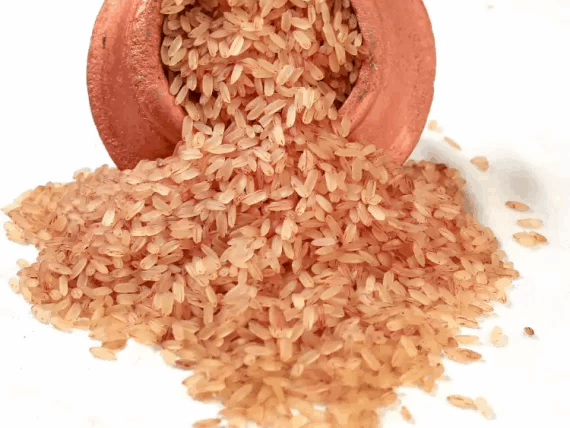
kerala kuruva rice

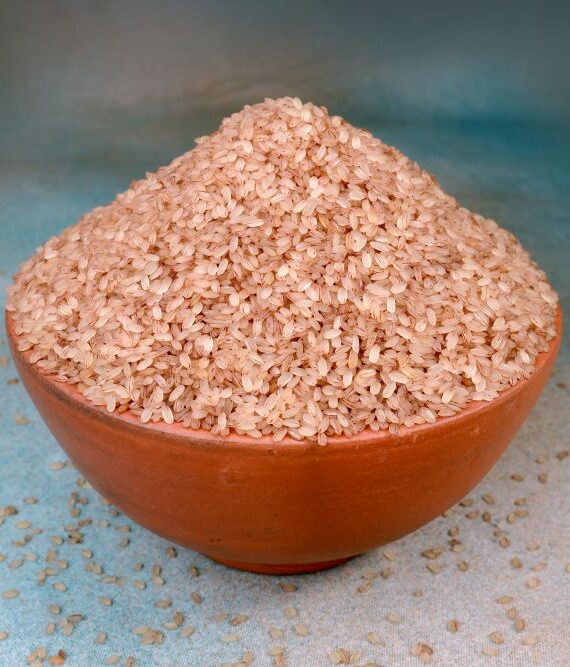
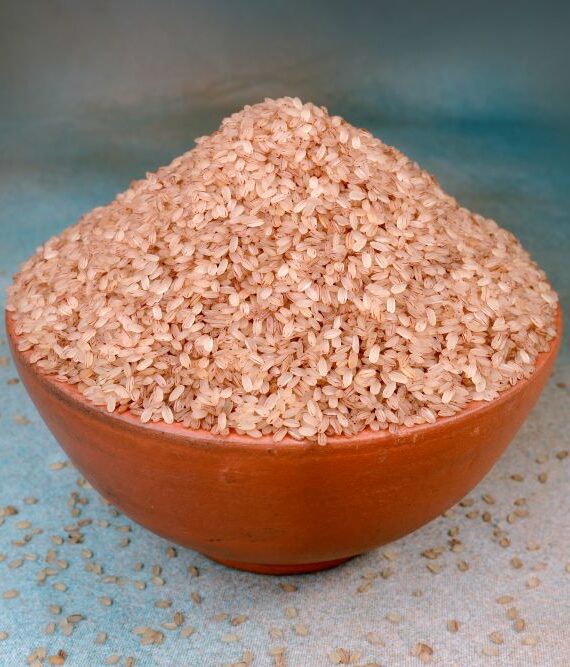
Kerala Kuruva Rice: A Traditional Grain Loved for Its Aroma and Taste

If you grew up in a Kerala household, you know rice isn’t just rice. It’s a memory. It’s comfort. Kerala Kuruva rice fills plates —and hearts — in a way polished white rice can’t. But maybe that’s just me, being nostalgic.

I still remember the earthy aroma when it was cooked at my grandmother’s house. A soft whisper of nostalgia, mixed with the promise of coconut curry. That’s Kuruva.

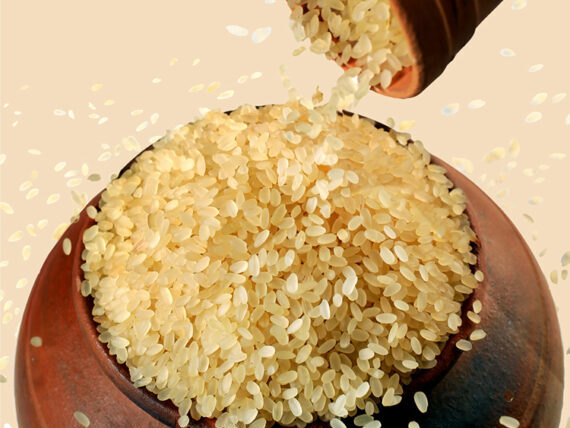
As more homemakers like you look for healthy alternatives to white rice, Kerala Kuruva rice is quietly making its place in kitchens, not because it’s trending, but because it delivers what matters: fiber-rich, authentic, subtly flavored rice, grown and milled in Kerala’s heartland.

Curious? Let’s dive in.

Want to taste authentic Kerala Kuruva rice, milled with care? Check out Rabbit Modern Rice Mill, where they blend tradition and quality.

Why Health-Conscious Homemakers Are Looking for Kerala Kuruva Rice

Authentic taste and heritage

This isn’t a retro trend. Kuruva is woven into Kerala’s culinary fabric. Unlike commercial rice, it’s single boiled or par-boiled, retaining aroma and trace minerals from the husk. Every grain reminds you of simple, homely meals — no fancy marketing, just honesty.

More fiber, less empty carbs

Kuruva rice is slower to digest. It releases energy steadily. That’s because it retains bran layers that white rice loses. For homemakers keeping an eye on family health — elders, kids, and everyone else — that steady digestion makes it a smart staple.

Packed with naturally sourced nutrients

Studies and farm results point to Kuruva’s nutrient score — vitamins, magnesium, selenium — all held in place by parboiling . If you’ve ever checked a label and wondered if it means anything, Kuruva rice delivers. No shiny marketing. No mystery ingredients.

How Rabbit Mill Brings the Best of Kerala in Every Grain

Rabbit Modern Rice Mill in Palakkad, often praised as one of the modern rice mills in Kerala, treats Kuruva with home-like care. Here’s what sets them apart:

1. Locally harvested in Palakkad

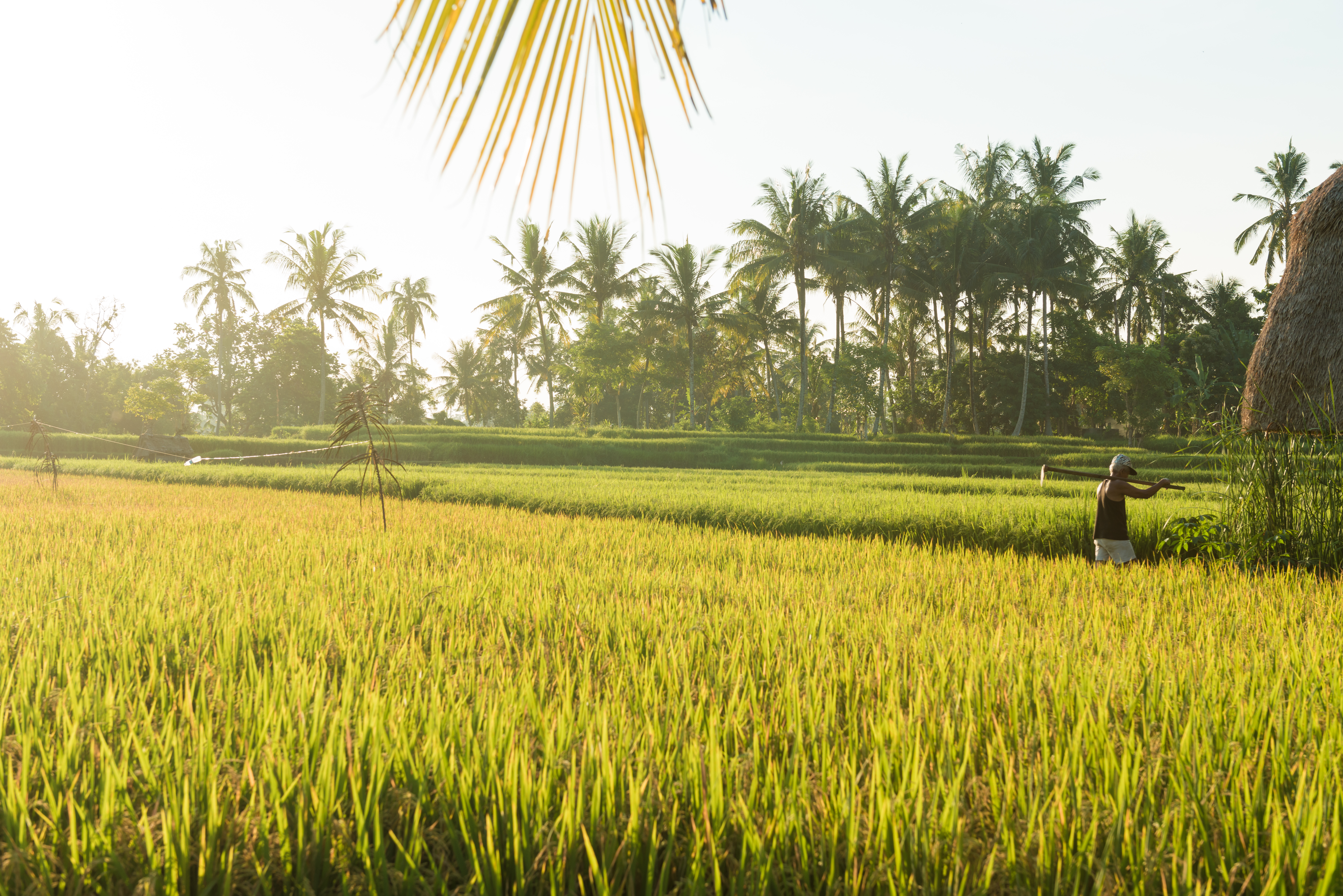
Rice is sourced from trusted farms in the mythic fields of Palakkad, the same land that’s been nurturing rice for centuries.

2. Traditional processing meets modern hygiene

They gently par-boil the Kuruva in the husk, sun-dry it, and mill it. No over-polishing, no chemicals . Then they pack it mindfully, so it stays fresh in your pantry.

3. Consistency you can trust

Every batch is tested for taste, aroma, color, and texture. No surprises. Just wholesome grain.

Want rice that your mom would approve of? Give Rabbit Mill a try. Visit www.rabbitmill.in 

Cooking Kuruva Rice: A Tale of Patience and Reward

Let’s be honest: Kuruva takes a little prep. But the reward is worth it.

  1. Rinse, then soak for 30–60 min.
  2. Use 1 cup rice to 2.5 cups water.
  3. Pressure-cook for about 2–3 whistles, then simmer.
  4. Let it rest.
  5. Fluff with a fork.

The result? Grains cooked just right — they hold shape, still feel soft, and smell like home .Once you get this rhythm, it’s easy. It becomes part of your weekly cooking hack—not a chore, more like a ritual.

Crisp, Hygienic Packaging Preserving Freshness

Rabbit Mill knows homemakers deserve convenience too. Their packaging locks in freshness, aroma, and moisture control. No stale grains, no unexpected odors. Just grab, open, and cook.

No fuss. No compromise on health or hygiene.

Quick FAQs for Homemakers

Is Kuruva rice hard to digest?

Actually, it’s gentler on the stomach. The bran slows digestion, avoids sugar spikes, and supports gut health.

Does it suit my kid’s taste buds?

The flavor is neutral and slightly nutty. Think soft, warm, calm — not overpowering. You can pair it with rasam, thoran, or meaty curries.

Will my family miss white rice?

Maybe. This rice smells and feels familiar, even if it’s a bit firmer. Some days, your grandma’s feeling returns in every bite.

Before You Know It: A Healthier Staple for Your Family

If you’re seeking fiber-rich rice that’s real, naturally processed, and packed with tradition — Kerala Kuruva rice from Rabbit Mill fits the bill.

Not just a kitchen ingredient. A way to care for your family daily.

Ready to add Kuruva rice to your pantry? Pick your first pack Rabbit Mill from your nearest store.

Summary

Kerala Kuruva rice isn’t just rustic. It’s a healthier, more authentic alternative to processed rice. Full of natural flavor, fiber, and nutrients. Rabbit Mill brings it to your table with care — sourcing locally, processing traditionally, packaging hygienically.

Your family deserves food that’s nourishing, honest, and rooted in heritage.

Craving tradition? Health? That small aroma of home in every grain? Head to www.rabbitmill.in and explore Kerala Kuruva rice today.

Let your rice do more than fill plates. Let it nurture.
Read More
Palakkad Vadi Matta

Palakkadan Matta Rice: Kerala’s Nutritious Grain with a Rich Heritage

What comes to your mind when you first open a bag of Palakkadan matta rice? Is it the earthy-reddish color which looks more alive than most polished white rice in the market? Or is it the aroma, especially while you cook it? Something you are familiar with as a young child? Ever wondered, what makes it so special that it is making a huge comeback in the urban market?

What Makes Palakkadan Matta Rice Different?

Matta rice, also known as Kerala matta rice or Palakkadan matta / Palakkadan red rice, comes from the Palakkad region of Kerala. This isn’t some factory-born grain stripped of its goodness. It’s a whole grain. Rich in fiber, full of nutrients, and harvested from soil that’s been growing rice for generations. This variety has fed entire communities across Kerala and beyond.

You might be wondering why people still eat this grain when white rice is, well, everywhere. It’s easier to find, quicker to cook, and let’s be honest, kind of bland and safe. But that’s the thing. Matta rice isn’t bland. And it’s not trying to be safe. It’s doing its own thing.

And if you’re looking to eat better, not just lighter, matta rice could be a solid place to start.

Want to try a rice that doesn’t just fill your plate but fuels your day? Explore Rabbit Mill’s curated matta rice varieties here.

The Nutritional Edge: Why Health-Conscious Buyers Are Making the Switch

Whole grain rice like Palakkadan Matta is pretty underrated, especially outside Kerala. But here’s what makes it worth your attention (and your plate):

  • It’s not polished to death. That red husk you see? It’s where much of the nutrition lives.
  • It’s full of fiber. So, it helps with digestion, keeps you feeling full longer, and doesn’t spike your blood sugar the way white rice can.
  • It contains more nutrients. Iron, magnesium and B vitamins.  

And if you’re someone who hits the gym, counts macros, or tries to eat more plant-based, this rice fits right in. It complements dal. Absorbs curry like a pro. And tastes like it has a personality.

So yeah, it takes a bit longer to cook. You might have to rinse it a little more. But then again, some things are worth the trouble.

Want quality matta rice for your family? See why Rabbit Modern Rice Mill is trusted across Kerala.

It Starts with the Soil: How Rabbit Mill Brings Authenticity to Your Plate

At Rabbit Modern Rice Mill, the journey of matta rice begins in the rich paddy fields of Palakkad. Where the climate, water, and soil combine to grow rice the traditional way.

We work directly with farmers who know these lands like their own breath. There’s no mad rush to bulk produce here. It’s about quality, not quantity. Every batch is carefully harvested, sun-dried, and processed without chemical bleaching or polishing. This means what you get is closer to what the farmer grew, not some lab-altered version.

We think that matters. You probably do too.

If you’re someone who checks food labels, asks where your rice comes from, and prefers transparency over marketing gimmicks, then you’re in good company.

From Palakkad to Your Kitchen: What You Can Expect

  • Unpolished red rice with a nutty aroma
  • Organic matta rice options, with no additives or shortcuts
  • Clean packaging, minimal processing
  • Clear sourcing details, so you know what you’re eating

Whether you’re in Kochi, Bangalore, or Mumbai, we deliver quality you can count on.

Thinking of switching to better grains? Get your first batch from Rabbit Mill today.

The Quiet Comeback of Indigenous Kerala Rice

In a world that runs after basmati or polished long-grain white rice, indigenous Kerala rice varieties like Palakkadan Matta are making a quiet return. And not because of nostalgia. Because they work.

They work for your gut. They work for your heart. And they definitely work for your taste buds, especially if you love rich gravies or spicy thoran.

But it’s not just about health or flavor. It’s about connection. To the land. To the farmer. To an idea of food that’s honest.

Rabbit Mill doesn’t just sell rice. It brings that idea home. And in a market flooded with mass-produced, over-marketed products, that might just be what sets it apart.

Matta rice isn’t for everyone. It’s not as fluffy as white rice. It won’t sit quietly under your paneer butter masala. It’ll talk back. With taste. With texture. With a little bit of attitude.

But if you’re into real food with real roots? It’s right here. Your grain. Your choice.

Start your journey with Rabbit Mill’s Palakkadan Matta rice today. Visit rabbitmill.in to learn more.

Read More

Inside a Kerala Rice Mill: How Tradition and Technology Power Your Daily Grain

Let me tell you something that might surprise you.The rice on your plate? The fluffy, fragrant stuff you barely think about before digging in, it probably took quite a journey to get there. And if you’re buying in bulk or distributing across regions, you’re likely already knee-deep in those logistics.Still, I think it’s worth taking a moment to peek behind the curtain. Just a bit.Because inside a Kerala rice mill, there’s more going on than just machines churning. There’s tradition. There’s precision. There’s the kind of care that doesn’t always show up on spec sheets.

Welcome to Rabbit Modern Rice Mill.

Located in the quaint town of Pallavoor 25 km away from Palakkad town, this is where the old meets the new. Quite literally. From time-tested processes passed down over generations to cutting-edge technology ensuring consistency and quality, it all comes together in ways that matter more than you might expect.

Why Rice Mills in Kerala Still Feel Personal

You know how some places just feel like they’ve seen things? A Kerala rice mill is like that.

Especially in places like Kochi, Calicut, and of course, Malappuram, rice isn’t just an industry. It’s heritage. Families have been milling, trading, and refining for decades. And sure, the machines have changed. But the intention? That hasn’t budged.

The thing about Rice Mills in Kerala is they tend to treat rice like a story, not just a crop. Every bag of Palakkadan Matta or Kuruva rice carries more than nutrition, it carries history. And if you’ve ever tasted rice grown and milled in Kerala, you probably know what I mean.

The Role of Tech (and Why It Doesn’t Replace People)

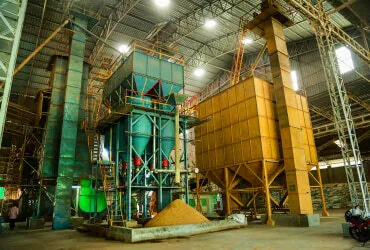
At Rabbit Modern Rice Mill we have automated sorting, precision cleaning, moisture control and colour sorters that can spot the tiniest flaw.

But here’s the thing:

It’s not just about technology. It’s about what people do with it.

Someone still tastes, still checks, still watches every batch. Machines can scan for shape and colour but they don’t know what grandma’s rice smelled like on a rainy day in Palakkad or Thrissur. Humans do.

And that’s why tradition still leads, even when automation plays backup.

Curious about how we balance tech and tradition? Talk to us at Rabbit Mill and we’ll walk you through it.

What Wholesale Buyers Actually Care About (And We Get It)

Let’s be real. If you’re a distributor or wholesale buyer, your needs are clear.

You want consistency. Clean packaging. Bulk orders delivered on time. You want rice that holds up under scrutiny and meets the evolving preferences of today’s health-conscious customers, especially like the ones asking for organic rice from Kerala or non-polished variants.

We hear you. And that’s why our systems are built for scale, but our service feels small-batch. You’re not just buyer #2238 in a database.

Whether it’s premium Palakkadan Matta rice for a health-food brand or Kuruva rice for traditional markets, we adapt. And we do it with you, not to you.

Want to get pricing or samples? Reach out here and let’s start with a quick conversation.

What Sets Rabbit Mill Apart from Other Rice Mill in Kerala

It’s tempting to think all mills are the same.

They’re not.

Here’s what makes us a little different:

1. We Work Like a Family Business (Because We Are)

There’s a culture of showing up. For each other. For our clients. That energy flows into everything, from how we handle grains to how we answer your calls.

2. Our Machines Work Hard, but Our People Work Harder

It’s not just processing rice. It’s understanding what kind of rice works for which kind of market, and why a certain batch might be better for a customer in Bangalore vs. one in Malappuram.

3. Local Roots, Global Standards

We operate in Palakkad, but our rice reaches far beyond Kerala. That’s only possible because we uphold food safety, moisture control, and quality benchmarks at every level.

You could say we run like a modern factory but think like old-school artisans.

Beyond Rice: Why Trust Matters

You can find rice anywhere. You know that. We know that.

So why do our buyers come back?

Because we’re not in the business of just selling rice. We’re in the business of delivering trust, bag by bag.

If a shipment’s running late, we call. If a batch doesn’t meet our own standards, we hold it back. That’s the kind of accountability we’d want if we were on your side of the deal.

And in this industry, that kind of reliability isn’t a luxury, it’s survival.

Need a partner you can count on, season after season? Let’s talk before your next order.

Let’s Wrap It Up (Kind Of)

So yeah, inside a Kerala rice mill, there’s more than just noise and dust and conveyor belts.

There’s memory. There’s care.

And when you choose to work with someone like Rabbit Mill, you’re choosing more than a supplier. You’re choosing a team that understands the crop, the customer, and everything in between.

We’re in Palakkad, and we’re proud to be here. But our rice and our standards travel a lot further.

Want to know more or get a quote? Visit rabbitmill.in and drop us a message.

We’ll get back to you. Probably quicker than you expect.

Read More

A Day in the Life of a Rice Mill in Kerala: Behind-the-Scenes Insights

You know that soft, nutty aroma that floats from a pot of matta rice as it cooks? That slightly earthy smell that instantly tells you dinner’s going to be good? Yeah, that one. Ever wondered where it really begins?

Let me take you into a regular day at a not-so-regular place: a rice mill in Kerala nestled in Pallavoor, Palakkad. Been around since the 1980s. Not flashy, not loud. Just quietly processing rice the right way.

And by “right way,” I mean the kind that respects tradition but also nods to technology. That’s the soul of this rice mill in Kerala. It doesn’t shout about it. It just does the work. Every single day.

A Day in the Life of a Kerala Rice Mill: Inside Rabbit Mark’s Timeless Craft

6:00 AM – The Mill Wakes Up

Not with an alarm. With people. You hear the first shutters rolling up, maybe the click of a kettle boiling in the staff room, the occasional rooster somewhere in the background. (Cliché, but real.)

The air’s still cool, and there’s this rhythm to the silence, because it won’t stay that way for long. Soon, the machines will hum. Rice sacks will be shuffled around. Forklifts will crawl in and out. But for now, it’s all stretch-and-get-ready mode.

There’s a tiny ritual here. The oldest staff member usually walks in with folded hands, just for a second. Maybe it’s respect. Or maybe it’s just habit. Hard to tell. But you feel it.

7:30 AM – First Grains of the Day

The raw rice arrives in thick, dusty burlap sacks, mostly sourced from nearby paddy fields. Some from as far as Tamil Nadu. Everything is inspected. Not once. Not twice. At least three pairs of eyes go over it.

Why? Because rice isn’t just rice. Especially in Kerala. Especially not at this rice mill in Kerala. Matta rice is sensitive. You mess with moisture levels or skip a small check, and the taste goes sideways. People notice. Mothers will notice. And you really don’t want that kind of customer feedback.

9:00 AM – Machinery in Motion

This is when things start to get loud. But not in a bad way. The mill’s filled with modern equipment – state-of-the-art stuff that ensures each grain is treated properly. But it’s not cold, sterile automation. It’s more like… machines working in sync with people who know rice like they know their own breath.

There’s sorting. De-husking. Boiling. Drying. Polishing—yes, but not too much. You don’t want to strip the rice of its soul. Especially not matta. You want it a little raw. A little stubborn. The thing is, there’s a fine line between “processed” and “overdone.” That line? This mill walks it every single day.

12:30 PM – Lunch Break (and it smells amazing)

You can’t work with rice and not crave it. It’s just how it is. The staff usually bring homemade meals. A quick bite under a tree outside. And guess what’s always in the tiffin? Rice, of course. Matta, usually.

There’s a quiet kind of pride here. Like, “We mill it. We eat it. We trust it.”

It’s not about marketing copy or nutrition labels. It’s about knowing where your food comes from and being okay with feeding it to your own child. That’s the standard.

2:00 PM – Quality Check Time

This is serious business. Samples from every batch are tested for texture, moisture content, polish level, and fragrance. Even the tiniest off note gets flagged. There’s no shame in redoing something if it’s not up to the mark. Happens more often than you’d think.

The team doesn’t cut corners. Not because someone’s watching. But because they genuinely care. This rice mill in Kerala is run by people who’ve grown up eating this rice. Who’ve seen their parents eat it. And maybe their parents before them. Cutting corners? That’s just not an option.

4:00 PM – Packing Like It Matters

Packaging isn’t an afterthought here. It’s hygiene. It’s protection. It’s the final hug before the rice goes out into the world.

Every packet, whether it’s 5kg or 25kg, is sealed with care. Not the mechanical kind. The human kind. Someone double-checks the seal, the label, the smell. (Yes, sometimes they sniff-test the bags. Because machines miss things. Noses don’t.)

If you’ve ever picked up a bag from this rice mill in Kerala at a store, know that it’s probably passed through five different hands who each cared a little more than they had to. And that matters.

5:30 PM – The Day Winds Down

By now, the machines start quieting. Not all at once. One section finishes early. Another takes longer. Some last-minute loads head out for delivery. A lorry revs in the distance. A couple of bags get shifted for the next morning.

There’s this smell in the air—warm, toasted, faintly earthy. It lingers long after the machines shut down. It’s the smell of matta rice, boiled and dried just right.

Someone sweeps the floor. Another person wipes down a console. Nobody’s in a rush. It’s the kind of place where you close the day the same way you opened it: with quiet hands and a little respect.

So, What’s the Big Deal About This Rice Mill in Kerala?

Well, I guess it’s not just the rice.

It’s that Rabbit Mark Modern Rice Mill doesn’t treat rice like a commodity. They treat it like memory, like medicine, like culture.

They’ve taken something age-old, something that holds stories and flavours and generations, and figured out how to make it better without making it artificial.

That’s not easy. Most mills either cling to tradition or go all-in on tech. Rabbit Mark found a balance. It’s rare. And honestly, kind of beautiful.

Read More

The Origin and History of Palakkadan Matta Rice: A Cultural Deep Dive

There’s something about certain foods that go beyond taste. They hold memories. Emotion. Legacy. Palakkadan matta rice is one of those.

It’s not just rice. It’s Sunday lunches that last forever. It’s weddings that begin with the aroma of ghee and coconut, and end with someone finally admitting they had too much sambar. It’s your grandmother scolding you for not eating enough. And then piling more on your plate.

But where did it all begin?

I think to understand Palakkadan matta rice, you have to step back. Way back. To the paddy fields of Kerala. Palakkad, specifically.

A Rice That’s Rooted in Soil (and Soul)

Palakkad isn’t a place that shouts. It whispers. Soft winds across vast paddy fields. Hills that lean into the sky but don’t make a fuss about it. It’s quiet, except for the sounds of nature doing what it’s always done.

And in the middle of this, for generations, farmers have grown a red-hued rice that’s unique to this region. Not red like tomatoes or chillies. More like earthy. Brick. Rusty in a noble sort of way. The colour comes from the bran. The nutrition too.

Palakkadan matta rice (some call it Kerala red rice or Kuthari) is indigenous to this region, and it’s been part of the culture long before polished white rice made its way into everyday cooking.

It’s thick, chewy, slightly nutty. Which might sound like a lot if you’re used to plain basmati. But trust me, it grows on you. And once it does, everything else feels a little empty.

The Tradition Behind the Taste

Here’s the thing: this rice takes time. And care. The traditional method involves parboiling or boiling the rice in the husk before milling. This not only makes the grain tougher (in a good way) but locks in more nutrition.

That’s why it’s sometimes called “double boiled” or “single boiled,” depending on the method used. Rabbit Mark Modern Rice Mill, for example, produces both. And yes, that makes a difference. Slight, maybe. But real.

The beauty of this rice lies not in speed but in patience. It’s not meant for rushed cooking. It asks you to slow down. Which, frankly, we could all use a little more of.

More Than a Meal

Here’s what I’ve come to believe: food that survives generations has a reason. You don’t keep cooking the same thing for 100 years unless it gives you something more than full stomachs.

Palakkadan matta rice is deeply woven into Kerala’s culture. It’s there in the sadya or the traditional feast where banana leaves double as plates. It’s there in temple festivals, harvest celebrations, and even day-to-day meals when you just want something nourishing.

It’s also good for you. High in fiber. Low on the glycemic index (which your doctor would approve of). Rich in magnesium and B-vitamins. The bran layer that gives it that reddish hue is where a lot of the magic lives.

Rice Mills That Care
So where does Rabbit Mark Modern Rice Mill come in?

Let’s say you’re someone who loves traditional food but also values consistency and quality. You want your Palakkadan matta rice to taste just like your grandmother made,  but you also don’t want to worry about stones in the sack or weird smells from poor packaging.

That’s the gap Rabbit Mark has been filling since the 1980s.

They’re based in Pallavoor, right in the heart of Palakkad. Which, honestly, already gives them a head start. But it’s more than location. It’s the balance between tradition and technology that makes them stand out.

You’ve got old-school rice varieties being processed using modern infrastructure. Strict quality checks, skilled teams who know what they’re doing, and packaging that actually protects what’s inside. No musty sacks or split grains. Just good rice. And maybe that’s what makes it special. The old and the new holding hands.

Why It Still Matters

You might wonder, why all this matter in 2025? We have so many options. Quinoa. Jasmine. Even cauliflower pretending to be rice (don’t get me started).

But here’s the thing. With all these choices, we’re starting to crave what’s real again. What’s grounded. What tastes like home, even if we’ve moved far from it.

Palakkadan matta rice is that for so many.

It’s that connection to roots. That quiet pride in something your region gave to the world. That feeling of scooping hot rice with sambar and coconut thoran on the side and knowing that it is exactly what you crave for.  Sure, it’s heavier. Takes longer to cook. Maybe needs a little practice. But like most good things in life, it rewards the effort.

It’s Not Just a Trend

Look around and you’ll see more people reaching for it. In cities. In health-conscious kitchens. Among younger folks rediscovering their heritage through food.

Because it turns out, you don’t have to choose between traditional and healthy. Or tasty and local. With Palakkadan matta rice, you get all of it. Thick, nutty, nostalgic, and good for your gut.

It doesn’t scream for attention. But maybe that’s what makes it linger.

So yeah. That’s the story. Or at least a piece of it.

You can look up the science, trace the grains, argue over whether the single-boiled is better than the double. But when you sit down, spoon in hand, plate on your lap and what you’ll taste is history.

And if it’s from a place like Rabbit Modern Mark Mill, even better. Because good rice isn’t just about what you eat. It’s about how it makes you feel. And honestly, Palakkadan matta rice just feels right.


Read More

Why You Should Switch to Kerala Kuruva Rice for Your Family’s Health  

There’s a quiet joy in finding the right kind of rice. You know, the one that makes your sambar feel like a warm hug. The kind that holds its shape, doesn’t turn to mush, and leaves you feeling full — but not heavy.

I didn’t think much about rice until I moved away from home. Suddenly, the rice on my plate tasted… off. Maybe it was too polished. Too bland. Or just not the rice I grew up eating. And that’s when I started paying attention.

Why Kerala Kuruva Rice Deserves a Place on Your Family’s Plate

If you’re from Kerala — or you’ve spent time around someone who is — you probably know this already: rice isn’t just rice. It has character. It has personality. And Kerala Kuruva Rice? It’s kind of the quiet hero in many kitchens.

Not showy. Not trendy. Just reliable, nutritious, and deeply satisfying.

But wait — what is Kuruva rice?

Kuruva is a variety of rice grown and consumed mostly in Kerala, particularly in Palakkad and surrounding regions. It’s often single boiled (though sometimes double boiled, depending on tradition and preference), and it’s known for its slightly reddish hue, earthy aroma, and dense nutrition profile.

It’s not the type of rice that’s over-polished or stripped of its nutrients for the sake of appearance. Kuruva stays real.

And at Rabbit Mark Modern Rice Mill, this rice is treated with the kind of care that’s… almost maternal.

Decades of know-how meet modern machines here. The result? Rice that smells like home but meets today’s expectations — clean, consistent, and well-packed.

So, why should you even think about switching?

Because you’re probably eating rice already. Might as well make it count.

1. It’s actually good for you

This isn’t some marketing spin. Kerala Kuruva Rice is rich in fiber, especially when it’s single or double boiled. That means it keeps your digestion in check and gives you that feeling of fullness without the food coma. It also contains selenium which reduces the risks of diseases such as cancer, heart disease, and arthritis.

It’s not just about calories or carbs — it’s about how your body feels after. And if you’re cooking for kids, elderly parents, or anyone with a sensitive tummy, this stuff is gold.

White rice? It gets digested fast. You feel hungry sooner. Kuruva? It slows things down — in a good way.

2. It’s part of a tradition

There’s comfort in food that connects you to your roots. To a time when your grandmother used to soak and boil rice in giant pots. To the smell of steamed kuthari in the kitchen.

Kerala Kuruva Rice is woven into that fabric of everyday life. It’s not just nostalgia — it’s nourishment that has stood the test of time.

And honestly, isn’t there something kind of grounding about eating the same rice your ancestors probably did?

3. It cooks beautifully — once you get the hang of it

Look, I’m not saying it’s as quick as five-minute basmati. You do need to know how to handle it. Wash it well. Soak it a bit. Give it time.

But once you do? You get this fluffy, firm, satisfying bowl of rice that pairs perfectly with Kerala-style curries, coconut gravies, rasam — you name it.

And there’s something satisfying about that slight bite. Not undercooked, not mushy. Just… balanced.

4. It’s less processed, more real

A lot of rice out there has been stripped of its outer layers to look pristine on shelves. Shiny. Bright. Uniform.

But with that shine comes a price — usually, the nutrients.

Kerala Kuruva Rice is usually boiled in its husk, which helps lock in vitamins and minerals that would otherwise be lost. Especially if you get it from a place like Rabbit Mark, where they don’t cut corners.

Honestly? Your body knows the difference. You can feel it.

So where does Rabbit Mark come in?

There are plenty of places selling rice. But Rabbit Mark Modern Rice Mill has been doing this since 1980. That’s more than four decades of learning what works and what doesn’t.

They’ve managed to hold onto tradition — boiling, drying, milling the way it’s meant to be — while also upgrading the process to make sure the rice is clean, safely packed, and high in quality.

Their Kerala Kuruva Rice doesn’t just taste right — it feels right. You can smell the earthiness. You can taste the honesty.

And packaging? Solid. No weird smells or stale grains. You know what I mean — sometimes rice from the store has that faint plastic-y scent. Not this.

Maybe it’s time

I’m not saying you need to throw out the rice in your pantry tonight. But maybe next time you’re at the store — or scrolling through your grocery app — you pause and think, what kind of rice do I actually want to be eating?

If you care about health, about food that’s grown with care, about supporting traditional crops — then Kerala Kuruva Rice is worth a try.

Worst case? You learn how to cook a new kind of rice. Best case? You never go back to the old stuff.

Nourishment that is more than just feeding your stomach

I know not everyone romanticizes rice. For some people, it’s just a base for the curry. For others, it’s a texture game, or a matter of routine.

But when you choose rice that carries tradition, nutrition, and care in every grain… you’re feeding more than just your stomach.

You’re feeding something deeper.

And I think that matters.

Read More
kerala kuruva rice

How Kerala Kuruva Rice Helps in Digestion and Gut Health

Kerala Kuruva rice, a traditional variety of red rice cultivated in the state of Kerala, is gaining attention for the potential benefits of improving digestion and gut health. This rice is high in dietary fiber and is a source of important nutrients that contribute to healthy digestion and overall health.

Nutritional Profile of Kerala Kuruva Rice

Kerala Kuruva rice possesses bran and germ layers, which are a good source of dietary fiber, vitamins, and minerals. This structure gives Kerala Kuruva rice its reddish color, as well as the nutritional profile that it possesses. The fiber, in particular, helps maintain optimal digestion, while antioxidants and nutrients maintain overall health.

In our modern conveniences and lifestyle, convenience always pulls us towards processed foods that are nutritionally-poor.  Eating real food is much preferable, (not polished white rice devoid of fiber and nutrition). When we eat ancient grains, we are not only making a better choice for our health, but we also help to sustain farming practices that trace forward through generations; employing local farmers who grow heirloom varieties. For families, who are trying to strengthen their roots toward health, eating grains such as Kerala Kuruva rice is a free-be. While it has a more nutty taste, it also turns health into a fun experience that is part of our meals instead of a mundane must-do. Going back to eating natural foods is an easy step towards easy digestion and gut health, and health period!

Many people refer to gut health as the bedrock of overall wellness. A healthy gut not only helps our body digest food, but it also provides proper immune health, improves mood and even helps our skin. Kerala Kuruva rice is a fantastic remedy for maintaining gut integrity because of its rich, natural fiber and antioxidants. The fiber acts as a soft brush to the intestines gently pushing waste materials out of the body, and allowing for good treat of the intestinal flora. This friendly flora is responsible for developing short-chain fatty acids (SCFAs) that provide nourishment for our gut lining and help to decrease inflammation. The natural antioxidants in Kuruva rice also help to combat oxidative stress inside the digestive system, increase healing, and allow for better absorption of nutrients. Persistence with Kuruva rice has shown to prevent symptoms of common digestive disturbances like bloating, indigestion and Irritable bowel symptoms. Kuruva rice is more sustainable than any quick-fix probiotic supplements – it is just a natural source of nurturing gut health. Provided it is easy on the stomach, its taste and texture can make healthy eating feel less like a chore and more like an enjoyable experience.

Benefits for Digestion and Gut Health

1. High Dietary Fiber

The primary reason that Kerala Kuruva rice promotes digestive health is that it is high in dietary fiber. Fiber promotes regular bowel transit time and helps control constipation symptoms. Fiber is also a prebiotic, allowing it to feed the healthy bacteria in your gut. This helps balance the gut microbiome, which is vital to digestion and absorption of nutrients.

2. Low Glycemic Index

Kerala Kuruva rice is classified as having a low glycemic index, which allows it to release glucose gradually, and this can help stabilizing blood sugars by preventing the sharp increase that can be experienced when glucose is released into the bloodstream more rapidly, which can also affect the digestive process.

3. High in Antioxidants

The red color present in Kerala Kuruva rice is contributed by antioxidants called anthocyanins, which can help with inflammation in the gut, and therefore support healthy gut.

4. Nutritional

Slow Release Kerala Kuruva rice is a good source of nutrients like magnesium and B vitamins. Magnesium supports muscle function, including digestive tract muscles, and B vitamins support energy metabolism, and keeping organs in the digestive tract healthy.

Incorporating Kerala Kuruva Rice into Your Meals

To gain the digestive benefits of Kerala Kuruva rice, consider adding it to your meals instead of white rice. It has a nutty flavor and chewy texture, allowing it to fit in a variety of foods. Soaking the rice first before cooking, can help to shorten the cooking process while improving digestibility.

Its high fiber content, low glycemic index, antioxidant qualities, and nutritional value all support digestion and gut health, making Kerala Kuruva rice a great option. If you want to experience some of the benefits of this traditional rice, including digestive health, we invite you to incorporate it into your meals.If you are interested in experiencing the traditional experience of authentic Kerala Kuruva rice, visit Rabbitmill – it is a step toward healthier digestive health.

Read More
palakkad rice

Palakkad Matta Rice versus White Rice: Which is Healthier?

Rice has become a staple food in many diets across the world, and selecting the right type can have a tremendous effect on your health. There are countless rice varieties available, but Palakkad Rice – also known as Kerala Matta or Rose Matta rice – is unique in its color, texture, and nutrients. So how does it stack up to white rice, one of the most commonly used rice? We’ll examine how they are different and, hopefully, come to a conclusion about which is healthier. 

Nutritional Comparison

Palakkad Rice is unique because it is famous for preserving its outer bran layer which gives it a reddish color and possesses an excellent nutrient profile. White rice, on the other hand, is extensively milled and polished so that the bran and germ layers are removed completely losing vital nutrients in the process.

Health Benefits of Palakkad Matta Rice

1. High in Fiber: 

Palakkad rice has a higher amount of fiber than white rice, which assists digestion, boosts regularity, and can provide a longer sense of fullness, assisting your body in maintaining a healthy metabolism.

2. Heart Health: 

With lower amounts of fat, saturated fat, and cholesterol than white rice, Matta rice is a heart-friendly choice, as it assists your body in preventing plaque from building in your arteries, which can lead to heart disease. Source: Keerthi Nirmal 

3. Blood Sugar Control: 

The higher content of fiber in Matta rice slows how quickly sugars are absorbed into your bloodstream, allowing for better blood sugar control for someone with diabetes. As a rule-of-thumb, the higher the fiber content, the better the source is for helping with blood sugar control.

4. Stronger Bones: 

Comparing its calcium content, Matta rice is higher than white rice, which means it may provide better bone health due to the higher amount of calcium. Source: Keerthi Nirmal

5. Antioxidants & Phytochemicals: 

Palakkad rice is a rich source of the benefits of antioxidants, such as anthocyanins, which help fight free radicals that can lead to chronic disease. Source: Netmeds  

6. Source of B Vitamins: 

Comparing Matta rice to white rice, Matta rice is an excellent source of vitamins A & B which are all essential for a healthy functioning immune system; eye health; and maintaining metabolism. Source: The Better India

Factors to Consider When Choosing Matta Rice vs. White Rice

While Matta rice definitely has health benefits, individual preference and dietary requirements should always be considered:

  •  Cooking time and texture:

Matta rice has a coarser texture and cooking time than white rice. Its flavor may be too earthy for some.

  • Availability: 

Depending on where you live, you might not have access to Matta rice, or it could be harder to find than white rice.

  • Dietary goals: 

If nutrient density and health benefits are your primary focus, then Matta rice is the better choice. 

For those looking for milder flavor and softer texture, white rice is likely the better choice.

In the case for Palakkad rice vs. white rice, Matta rice is the healthier choice that offers more nutrients, higher fiber content, and health benefits. Choosing Matta rice over white rice contributes to improved digestion, heart health, blood sugar regulation, and is good for bones.

If you’re ready to gain the health benefits associated with Palakkad rice, try obtaining it from Rabbitmill because they provide real and good quality Matta rice. Choose the better choice for a better you.
Disclaimer: Always consult with a doctor or registered dietician prior to making major dietary changes.

Read More
kerala rice mill

How Kerala Rice Mill Process Paddy into High-Quality Rice

For Keralites across the world, a meal is incomplete without rice. But with paddy fields shrinking, the quality of rice on your plate now depends more than ever on how well it is processed. That’s where Kerala rice mill steps in, transforming raw paddy into the wholesome, high-quality rice you enjoy every day.

Ever wondered how this process works? 

Let’s take a closer look at how paddy is turned into premium rice in Kerala’s modern rice mills.

1. Sourcing the Best Paddy

It all starts with selecting the finest paddy from Kerala’s lush fields and beyond. Kerala rice mills work closely with local farmers and farmer associations to source:

  • The right paddy varieties (like Matta, Ponni, or Jeerakasala)
  • Grains that are optimally matured for better taste and texture
  • Paddy grown using chemical-free and organic farming methods for healthier rice

Since the quality of rice depends on the paddy itself, Kerala rice mills ensure that only the best grains make it to the processing stage—preserving the authentic taste, aroma, and nutrition of traditional Kerala rice.

2. Cleaning and Removing Impurities

Before processing begins, the paddy undergoes a thorough cleaning process to remove:

  • Dirt, dust, and mud
  • Small stones and broken grains
  • Insect-infested or damaged grains

Advanced cleaning machines—equipped with sieves, air blowers, and gravity separators—ensure that only clean, high-quality paddy moves forward. This crucial step guarantees that every grain of rice is safe and pure.

3. Drying the Paddy for Better Processing

Paddy needs just the right amount of moisture—between 12% and 14%—for optimal storage and milling. Too much moisture can cause rotting, while overly dry grains may break. Kerala rice mills use two methods to achieve the perfect balance:

  • Sun drying – A traditional method where paddy is spread on large concrete floors and dried under the sun with careful monitoring.
  • Mechanical drying – Industrial dryers are used to ensure uniform drying, prevent spoilage, and reduce the risk of fungal growth.

4. Parboiling – A Unique Kerala Rice Processing Step

Parboiling is a distinct feature of Kerala rice mills, especially when processing Matta rice and other traditional varieties. This process helps retain nutrients, makes the rice less sticky, and gives it a fluffier texture. No wonder parboiled rice is a favorite among Keralites!

The parboiling process involves:

  1. Soaking the paddy in warm water to enhance nutrient content
  2. Steaming to harden the grains and improve texture
  3. Drying the steamed paddy before milling

5. De-Husking – Removing the Outer Husk

Next, the tough outer husk of the paddy is removed. Kerala rice mills use rubber rollers or husking machines to:

  • Gently remove the husk without breaking the grains
  • Separate whole grains from broken ones
  • Minimize wastage and maximize efficiency

Interestingly, the rice husk collected from this process is repurposed—either as fuel for the mills or as an ingredient in animal feed.

6. Polishing and Whitening

The polishing step is what gives rice its smooth texture. Keralites have varied preferences when it comes to polished vs. unpolished rice. While some love unpolished rice like Kerala Matta for its natural nutrients, others prefer polished rice for its refined texture and taste.

To cater to both choices, Kerala rice mills follow a careful polishing process that includes:

  • Gently rubbing rice grains to remove the bran layer
  • Using mist sprays to enhance the rice’s shine
  • Applying a light coating (sometimes of glucose or talc) for an appealing look

7. Sorting and Grading for Quality Control

Before packaging, the rice is sorted and graded based on:

  • The size and shape of the grains
  • The percentage of broken grains
  • Color and overall appearance

Modern Kerala rice mills use optical sorting machines to detect and remove defective grains, ensuring only the best-quality rice is selected for sale.

8. Packaging to Maintain Freshness

Freshness is key when it comes to rice, and Kerala rice mills take packaging seriously. They use:

  • Airtight, moisture-proof bags to prevent spoilage
  • Vacuum-sealed or nitrogen-flushed packs for extended shelf life
  • Eco-friendly, biodegradable packaging for sustainability

Many premium brands have also started adding QR codes to their packaging, allowing buyers to trace the origins of their rice.

9. Distribution and Delivery to Markets

Once packaged, the rice is swiftly distributed to:

  • Local grocery stores and supermarkets
  • Restaurants and hotels
  • Online platforms for home delivery

Additionally, many Kerala rice mills export high-quality rice worldwide to meet the ever-growing demand from Malayalees living abroad.

Why Choose Rice from a Kerala Rice Mill?

If you want authentic, high-quality rice, choosing a trusted Kerala rice mill—like Rabbit Mark Modern Rice Mill—makes all the difference. Here’s why:

  • Locally sourced, traditionally processed – Kerala rice mills focus on native rice varieties that retain their original taste and nutrition.
  • Strict quality control – From sourcing to packaging, every step is carefully monitored to ensure only the best rice reaches your kitchen.
  • Sustainable practices – Many rice mills use eco-friendly techniques like solar drying and biodegradable packaging.

So, the next time you buy rice, take a moment to check where it comes from. Choosing rice from a Kerala rice mill means you’re getting freshness, purity, and a taste that feels just like home.

Read More
rice mill in palakkad

How Rice Mill in Palakkad Play a Key Role in Kerala’s Rice Production

Rice is a staple food for most people in Kerala. The demand for high-quality rice never fades. Rice mill in Palakkad help meet this demand by processing raw paddy into edible rice. Their role in the state’s food supply is significant.

Why Palakkad is the Rice Bowl of Kerala

  • Palakkad has vast paddy fields and a favorable climate for rice cultivation.
  • The district produces a major share of Kerala’s rice.
  • Traditional and modern farming methods ensure a steady supply of paddy.
  • The region’s fertile soil supports the growth of different rice varieties.

How Rice Mill in Palakkad Support Farmers

  • They buy paddy directly from farmers, ensuring a fair price.
  • Mills handle large quantities, reducing wastage.
  • Farmers get faster payments, helping them reinvest in the next crop cycle.
  • Some mills offer drying and storage facilities to protect paddy from moisture damage.

The Milling Process in Palakkad

Rice mill in Palakkad follow a structured process to turn paddy into high-quality rice.

  1. Cleaning – Removes dirt, stones, and other impurities.
  2. Husking – Separates the husk from the grain.
  3. Polishing – Enhances texture and appearance.
  4. Sorting – Segregates broken and whole grains.
  5. Packaging – Ensures the rice remains fresh and ready for distribution.

Advancements in Rice Mills

  • Modern mills use automation to speed up processing.
  • Quality control measures help maintain consistency.
  • Eco-friendly methods reduce water and energy consumption.
  • Some mills recycle byproducts like husk and bran for animal feed or biofuel.

Economic Contribution of Rice Mills in Palakkad

  • Provide employment to thousands of workers.
  • Support allied industries like transport and packaging.
  • Boost local businesses through trade and exports.
  • Strengthen Kerala’s self-sufficiency in rice production.

Challenges Faced by Rice Mills

  • Fluctuations in paddy prices impact profitability.
  • Climate change affects yield and quality.
  • Competition from imported rice reduces local sales.
  • Rising operational costs, including labor and electricity.

How Consumers Benefit

  • Access to fresh and locally sourced rice.
  • Varied options, from raw rice to parboiled and semi-polished grains.
  • Trusted quality from established rice mills.

The Road Ahead

Rice mills in Palakkad continue to evolve with changing market needs. Their role in Kerala’s food production remains crucial. With improved technology and sustainable practices, mills like Rabbit Mark Modern Rice Mill will keep supporting farmers and feeding families for generations to come.

Read More