Single Boiled Rice

7 Reasons Why Nutritionists Recommend Single Boiled Rice

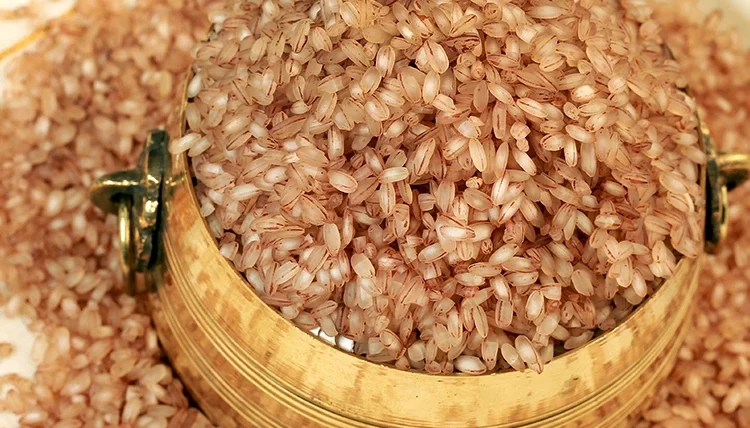
If you’ve been running a restaurant or even managing a grocery store, you’ve probably noticed customers asking more and more about Single Boiled Rice. Not just any rice—this one specifically. It’s not fancy basmati. It’s not the polished white grain that looks identical in every bag. It’s something in between. Nutritious, reliable, and a bit old-fashioned in the best way.

And here’s the thing, nutritionists have been quietly recommending it for years. Maybe you’ve already heard this from a health-conscious customer who walked in asking for it by name. Maybe you’ve brushed it off thinking, “Rice is rice.” But no, single-boiled rice is different.

In this blog article, let us explore why nutritionists recommend single-boiled rice. Otherwise, if you want to find a reliable supplier, Rabbit Modern Rice Mill is where you should head.  

Why Single Boiled Rice is Worth Serving & Stocking

1. Retains More Nutrition Than Polished White Rice

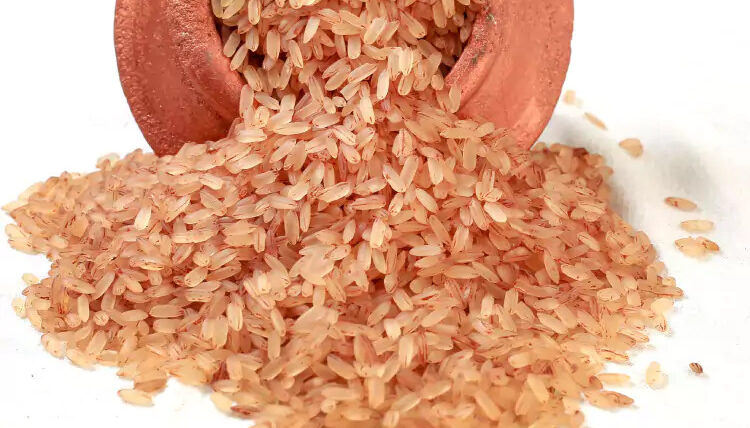
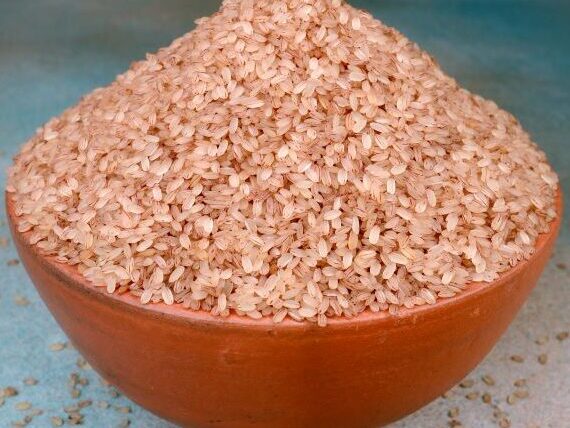
Single-boiled rice goes through a parboiling process before milling. This step makes all the difference. Instead of losing vitamins and minerals when the husk is removed, most of the nutrients get locked into the grain. Nutritionists like it because it’s closer to whole-grain rice than polished white rice.

People today don’t just eat for taste; they are also concerned about their health. And customers who once picked whatever rice was cheapest are now willing to spend a bit more if they believe it’s better for their body. That shift is important for your shelves and your menu.

2. Better for Digestion

I don’t want to get too scientific here, but the fiber content is higher compared to fully polished rice. That means it takes a little longer to digest. You feel full longer. Blood sugar doesn’t spike as quickly. For diabetic patients, that’s a big reason doctors and nutritionists recommend switching to single-boiled rice.

When customers hear their nutritionist say “eat this, not that,” they listen. If you’re a restaurant owner, adding a single boiled rice option might just win you some loyal health-conscious diners.

3. Stronger, Less Sticky Grains

Have you noticed how some rice turns mushy when overcooked? That doesn’t happen as easily with single-boiled rice. The parboiling makes the grains tougher. They don’t break down so quickly while cooking. You can cook large batches without worrying about a sticky mess. That’s why caterers love it.

It’s practical and Reliable. If you are a store owner, this is something you can mention to customers who ask about it. It just works better in Indian kitchens where rice is cooked daily.

4. Lower Wastage for Restaurants

This point may not be the one that a nutritionist recommends, but it matters to businesses. When you cook polished rice, it often breaks apart, sticks, or clumps up. That means wastage. With single-boiled rice, the grains hold up. You get fluffier rice, fewer broken grains, and better plate presentation.

If you’re serving 200 plates a night, that difference in quality and appearance adds up. Nutritionists might not highlight this, but chefs and restaurant owners notice it instantly.

5. A Bridge Between Tradition and Modern Health Trends

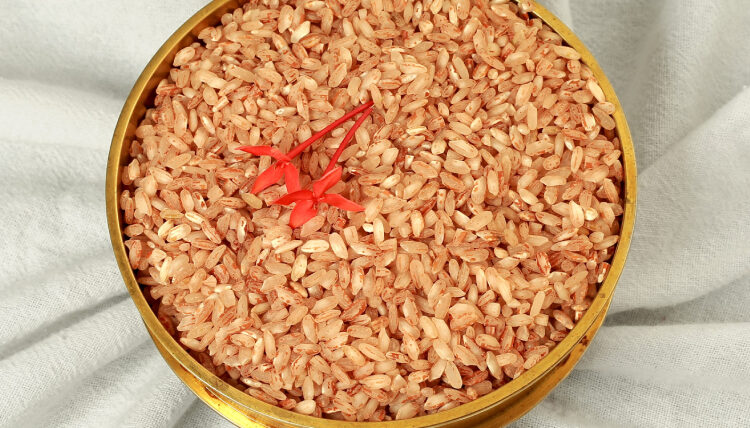
Here’s where it gets interesting. Single-boiled rice has been around in Kerala kitchens for generations. It sits somewhere between unpolished red rice and modern white rice. You still get a lot of the benefits of whole grain rice, but without the toughness that puts off some people.

For customers who want authentic indigenous Kerala rice but also prefer something familiar, single-boiled boiled is a great middle ground. Nutritionists like it because it’s healthier than plain white. Families like it because it still tastes better than plain white rice.

6. Supports Heart Health and Weight Control

The fiber and nutrient retention make single-boiled rice a better choice for managing cholesterol, supporting heart health, and even helping with weight management. Again, it’s not a miracle grain. But it’s a step up from the highly polished varieties.

And here’s where retailers benefit. When a nutritionist tells someone, “Switch to single boiled rice,” that person walks into a store looking for it specifically. If you stock it, you win the sale. If you don’t, they walk out and find it somewhere else.

7. It Fits Perfectly Into Today’s “Back to Basics” Trend

Have you noticed how people are moving towards food that feels less processed? Millet is suddenly back. Traditional oils are making a comeback. And rice is no different. Customers are looking for varieties that feel authentic, rooted, and closer to the earth.

Single-boiled rice is exactly that. Not as hardcore as unpolished red rice, not as stripped down as polished white. Just balanced. That’s why nutritionists recommend it and why your customers will too.

The Business Side Matters of Single Boiled Rice

All these nutrition benefits sound great. But if you’re running a business, you probably care about the supply aspect as well.  That’s where most retailers and restaurants get stuck. Maybe you’ve tried stocking single boiled rice before and ran into problems. The first few bags were good, the next were inconsistent. Deliveries got delayed. Prices jumped without warning.

This is exactly why Rabbit Modern Rice Mill has built its reputation on consistency. They don’t just sell single boiled rice, but they make sure the quality is steady, the bulk orders are handled smoothly, and the supply chain is reliable. Because what’s the point of nutrition benefits if you can’t get stock when you need it?

If you’re looking for a supplier who takes the headache out of sourcing rice, check out rabbitmill.in.

Where Do You Go From Here?

At the end of the day, nutritionists can keep recommending single boiled rice. Customers can keep asking for it. But the question for you is: will you be the one to stock it or serve it consistently?

The popularity is only going to grow. People want rice that’s healthier, filling, and less processed. A variety that is good for idlis, dosas and even plain rice. They want something trustworthy. And if you can meet that demand before everyone else, your business wins.

Rabbit Modern Rice Mill is already working with retailers and restaurants across Kerala, making sure supply never becomes a problem. You can learn more, explore bulk options, or just start a conversation at rabbitmill. in.

Because sometimes, success is just about stocking the right rice at the right time. And right now, single-boiled rice seems to be that rice.
Read More
Matta broken rice

Matta Broken Rice: A Healthy Staple for Indian and International Kitchens

Matta broken rice is a household name in Kerala, especially when there are toddlers or the elderly at home.  They simply exist as they are healthy and consistent. They are traditional yet found their own space in contemporary kitchens as well.

In God’s Own Country, families have depended on it for generations. Now, it’s not only the local darling but also slowly entering health-oriented homes and even overseas kitchens.

Therefore, let’s discuss the reason why it is unique, why it is beneficial for your family, how Rabbit Modern Rice Mill preserves the tradition with technology and carefulness.

If you want to explore it straight away, you can visit www.rabbitmill.in    

What is Matta Broken Rice?

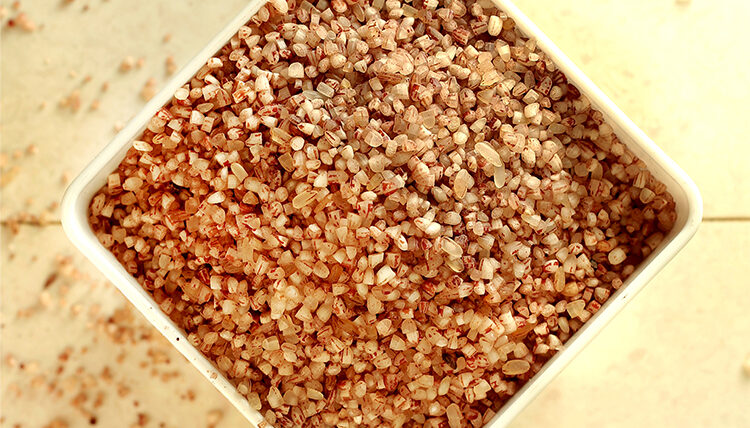
While milling matta rice, some grains break naturally. That broken rice is our hero here – Matta Broken Rice. Simply put, they are smaller pieces of the same wholesome grain. They have not undergone any polishing tricks or been infused with any chemical additives.

Why is Matta Broken Rice Different

This rice variety is easier to cook and digest while retaining the rich reddish hue of Palakkad rice. Being unpolished, it keeps its bran layer, which is the main source of its nutrition. Whether or not families knew the nutritional facts, they valued it for being easy to cook, gentle on the stomach, and treasured it for those very reasons.

Everyday Dishes with Matta Broken Rice

Rice porridge (Kanji) and Upma are staples in countless South Indian homes.

Kanji: When you have a fever or need something easy to digest, your first choice is often Kanji. It is soft, light, and soothing—the comfort food you can always rely on.

Upma: Traditionally, Upma is prepared using Rava or Sooji. But those who have tried Upma made of Broken Matta Rice will tell you how refreshing it is. The nutty flavor and soft bite make it special. It pairs really well with spices and vegetables, without making your tummy feel heavy.

Whether you are cooking for children, the elderly, or for yourself, dishes with Matta Broken Rice fits right in.

Why elders trust it — and nutritionists recommend it

One reason this rice has stuck around is how well it works for older people.

As we age, digestion slows. Heavy, polished white rice can cause bloating or leave you sluggish. Matta broken rice, on the other hand, is:

  • Easily digestible: The smaller grains soften quickly, making them gentle on the stomach.
  • Nutrient-rich: High in fiber, iron, and minerals, unlike heavily polished varieties.
  • Satisfying: It fills you up with less, which helps control portion sizes naturally.

Nutritionists often highlight whole-grain rice options for balanced diets. This one fits neatly into that category, while also being culturally familiar—especially for those who grew up with indigenous Kerala rice on their plates. 

The Palakkad difference: how it’s made

Not all Matta broken rice is the same. The secret lies in where and how it’s processed.

At Rabbit Modern Rice Mill in Palakkad, the journey starts with high-quality matta paddy sourced locally. Palakkad is known for its fertile soil and long tradition of rice cultivation—so the grain itself carries a reputation.

Here’s what happens next:

  1. The paddy is dried using steam, a method that protects its natural nutrients.
  2. It is then half-boiled using the latest technologies, locking in nutrition and improving shelf life.
  3. Finally, the rice is milled with precision to ensure quality, taste, and consistency.

This careful balance of tradition and technology is why Rabbit Mark’s rice stands out. It’s not just any broken rice — it’s Kerala Matta broken rice, processed in a way that respects its heritage while meeting modern standards of hygiene and packaging. 

Why families and professionals choose it

Every customer has a different reason:

  • A homemaker wants rice that tastes like the one her mother cooked, with the assurance that it’s pure and consistent.
  • A health-conscious professional wants something fiber-rich, natural, and quick to cook—without chasing expensive imported grains.
  • Restaurants and retailers need a reliable supply, steady quality, and proper packaging so they can serve or sell it confidently.

That’s the gap Rabbit Mark fills.

Their rice isn’t just about taste. It’s about trust. Forty years of milling experience means you know exactly what you’re bringing home.

From local kitchens to international shelves

It’s easy to think of matta rice as a “Kerala thing.” But that’s changing. Indian supermarkets in the Gulf, the UK, and the US stock it because expatriate families won’t cook without it. But now, even beyond the Malayali community, nutrition-conscious people are picking it up as an alternative to white rice.

Why? Because the world is waking up to whole-grain rice. To grains that are indigenous, unpolished, and organic. To foods that aren’t stripped down in the name of refinement. And that’s exactly what organic Matta broken rice offers. 

A simple grain with many roles

If you think about it, it’s rare to find a grain that can do all this:

  • Comfort food for elders
  • Wholesome upma for families
  • A fiber-rich choice for fitness enthusiasts
  • A reliable bulk product for restaurants and retailers

That’s why it’s stayed relevant for decades—and why it’s likely to keep growing in demand, both in India and abroad.

Where does that leave you?

If you’re looking for rice that isn’t just filler on the plate — if you want something nutritious, authentic, and trustworthy — Matta broken rice deserves a place in your kitchen.

And if you want to make sure you get it from a source that values tradition, quality, and technology in equal measure, you already know the name: Rabbit Modern Rice Mill.

They’ve been milling in Palakkad since 1980. They’ve earned the trust of homemakers, professionals, and businesses alike. And they’ll make sure what you serve on the plate is as real as it gets.Take a look at their offerings here: rabbitmill.in.

Read More
Matta Rice

Matta Rice Nutrition Facts Every Health-Conscious Buyer Will Love

There’s rice, and then there’s Matta Rice—the grain with that unmistakable reddish glow, slightly nutty bite, and a kind of rustic honesty that polished white rice can’t even dream of. For centuries, it’s been a staple across Kerala kitchens, cooked in clay pots, steamed for family feasts, and ladled into bowls of kanji. Nowadays, as more and more people adopt a health-conscious eating habit, it suddenly feels like the grain was waiting for its moment.

The Slow-Burning Fiber

The first thing nutritionists point out? Matta Rice keeps its bran, which is the outer covering of the rice varieties containing a lot of fiber content. Fiber that cushions digestion and makes meals satisfying. Fiber is one of the dietary elements that gives you the feeling of being full in a comprehensive manner. A bowl of matta rice at lunch can stretch its effects well into the evening, while polished rice leaves you hungry and cranky two hours later.

Minerals That Matter

Essential nutrients are where matta rice gets serious, as it contains magnesium, iron, calcium, zinc, and manganese. Each mineral acts as an invisible engine running processes in your body that you barely notice until they falter. Magnesium fuels muscles and nerves, iron feeds blood, and calcium guards bones and teeth like silent sentries, all the while zinc and manganese take care of tuning enzymes and immune defense.

Contrast this with stripped-down white rice, which loses nearly everything in the polishing process. Eat matta rice, and you’re essentially eating rice the way nature intended, with all the benefits.

A Gentler Touch on Blood Sugar

Carbs have gotten a bad reputation ever since the advent of various diets, but the nuance matters. Matta rice has a lower glycemic index than its gleaming white counterpart. Which means instead of spiking sugar in a dramatic burst and then abandoning you, it delivers a steady stream. For those managing diabetes or drowning with pre-diabetic symptoms, that difference is critical.

Antioxidants in the Color

That reddish-brown hue? Not an accident. It signals natural antioxidants, compounds like anthocyanins, that defend your cells against stress. Think of them as tiny shields, protecting tissues from damage caused by unstable molecules roaming around unchecked. Long-term, foods like matta rice contribute to resilience against chronic diseases like heart disease, certain cancers, and various lifestyle diseases.

Gluten-Free, Guilt-Free

For anyone steering clear of gluten, matta rice is a friend. No wheat proteins lurking inside, no digestive landmines waiting to trigger discomfort. Just a clean grain that adapts easily to porridge, curries, or even Kerala-style biryanis.

A Quiet Ally for the Heart

Pair the magnesium, the antioxidants, and the fiber together, and you end up with a rice that quietly supports cardiovascular health. Fiber trims bad cholesterol, magnesium stabilizes blood pressure, and antioxidants ease inflammation. Matta rice is not that flashy or trendy, but it is effective in the background, meal after meal.

Energy That Lasts

Matta rice is a carb with a significant difference. The structure of matta rice slows down digestion, releasing energy gradually instead of dumping it all at once. Perfect for people who need consistent output of energy that lasts a longer time, like athletes, students, and professionals slogging through long days. 

Tradition Meets Modern Science

Farmers in Kerala didn’t analyze nutrient charts or glycemic indexes. They grew matta rice because it sustained communities. Families trusted it because it was nourished across generations. Now science confirms what tradition always knew.

In an age obsessed with superfoods, Matta rice feels refreshingly unpretentious. Even without any exotic branding, it has always stayed in the market for the health-conscious buyers to notice.

Ready to Bring Matta Rice Home?

You’ve seen the nutrition facts and know how much of an advantage it is, proving that the grains you choose matter as much as the meals you make. And the good news? You don’t have to look far for the right source.

Deep in Kerala, Rabbit Mark Modern Rice Mill has built its reputation on something simple: rice with integrity. Sourced directly from trusted farmers, carefully processed, and delivered with the same care it’s been grown with, so what reaches your plate isn’t just rice; it’s a promise of authenticity and health.

For the health-conscious buyer, that promise means everything.

Read More
Vadi Matta Rice

Vadi Matta Rice: 10 Smart Storage Tips Every Distributor Must Know

If you’ve been in the rice trade long enough, you already know one thing — Vadi Matta Rice is not like your regular white rice. It’s heavier. It’s got that beautiful earthy aroma. And it’s the kind of rice customers remember and come back for.

But here’s the challenge: keeping it in top shape till it reaches their plate.

For distributors, retailers, or restaurant suppliers, storing Vadi Matta Rice well is not just about preventing wastage. It’s about maintaining the signature taste, texture, and quality that make people choose it over cheaper alternatives.

If the storage isn’t right, the rice loses its colour, flavour, and even its cooking quality. And that can cost you, in both sales and reputation.

Let’s discuss smart ways to store it. Practical tips that you can use in your warehouse, godown, or shop.

(By the way, if you want a steady supply of premium Vadi Matta Rice without worrying about quality drops, Rabbit Modern Rice Mill has been doing this for decades — here’s where you can reach us) 

Why Storage Matters So Much for Palakkadan Vadi Matta Rice

Vadi Matta Rice, also known as Kerala Matta Rice or Jyothi Rice, is an indigenous Kerala rice variety with a thick outer bran. That bran layer is what gives it the earthy taste, the reddish-brown colour, and higher nutrition compared to polished white rice.

The catch? That same bran also contains natural oils. And oils can go rancid if exposed to moisture, heat, or pests for too long.

That’s why it’s not like storing regular white rice. The rules are a bit different. You need to think about airflow, temperature, packaging, and the whole chain.

Distributors who get this right? Their stock moves faster, their customers trust them, and their complaints go down. Simple as that. 

10 Smart Storage Tips for Distributors

Here’s the heart of it. These are the storage habits I’ve seen work well in warehouses and retail spaces handling Vadi Matta Rice.

1. Keep it Cool and Dry

Humidity is the enemy. Even a little dampness can trigger mould or that musty smell that customers instantly notice. Aim for a storage space that stays below 25°C with humidity under 60%.

2. Use Elevated Pallets, Not Bare Floors

Never stack bags directly on the ground. Keep them on wooden or plastic pallets to avoid absorbing floor moisture. Even cement floors can release dampness during the monsoon.

3. Rotate Your Stock — Always

Follow the “first in, first out” rule. Vadi Matta Rice can store well for months if conditions are right, but fresher batches always taste better.

4. Avoid Direct Sunlight

Heat speeds up spoilage. Store bags away from windows or use UV-blocking covers if sunlight hits the storage area.

5. Ventilation Matters

Closed, airless rooms trap humidity. Make sure your godown has cross-ventilation. Even small vents or exhaust fans can make a difference.

6. Invest in Quality Packaging

Bags with inner liners or vacuum-sealed packs reduce contact with air and pests. If your supplier offers double-layered packaging, take it.

7. Pest Control Without Harsh Chemicals

Rodents and insects love whole grain rice like organic Matta rice. Use food-safe pest deterrents such as neem leaves, camphor blocks, or approved fumigation methods.

8. Avoid Frequent Handling

Every time you shift or drop bags, the grains can crack, affecting cooking quality. Move stock only when needed.

9. Separate from Strong Odours

Rice absorbs smells easily. Keep it away from items like spices, kerosene, or cleaning agents.

10. Plan for the Monsoon

If you’re in Kerala, Karnataka, or coastal areas, moisture spikes during the monsoon. Use dehumidifiers or silica gel packets in storage spaces during these months. 

Common Storage Mistakes Distributors Make

I’ve seen people make the same errors again and again. Bags left open “just for a day” turn into weevil breeding grounds. Rice stacked near wet walls during the monsoon turns clumpy. Or worse, some keep it too close to onions, and the rice smells strange.

The truth is, customers can forgive a delay in delivery now and then,  but give them bad rice once, and they’ll remember.

(If you’re tired of playing trial-and-error with storage, Rabbit Modern Rice Mill supplies Vadi Matta Rice in packaging designed for a longer shelf life. We also offer guidance on bulk storage: check our products here) 

How Good Storage Helps Your Business

Think about it. Every extra week of shelf life without quality drop means less wastage, fewer returns, and happier customers. For restaurant owners, that means consistent cooking results. For grocery shops, it means repeat buyers who know your rice is always fresh.

And for you, the distributor, it’s more than just profit. It’s a reputation. People in the rice trade talk. If you’re known for supplying high-quality Kerala/Palakkadan Vadi Matta Rice that’s always fresh, you’re already one step ahead of the competition.

The Rabbit Modern Rice Mill Advantage

Rabbit Modern Rice Mill has been working with Vadi Matta Rice for years, from sourcing the best Palakkad red rice to processing and packaging it in ways that preserve its natural flavour.

We understand that for distributors, it’s not just about the rice. It’s about reliable supply, fair pricing, and a partner who knows what you need before you have to ask.

If you’re looking for premium-grade Vadi Matta Rice, organic Matta rice options, or bulk deals that make sense for your margins, we can help.

Talk to us today at Rabbit Modern Rice Mill and keep your shelves stocked with the kind of rice your customers will remember.

Storing Vadi Matta Rice well isn’t complicated, but it does take discipline. And once you get the system right, you’ll wonder why you ever did it any other way.

Read More
Palakkadan Matta Rice

Palakkadan Matta Rice Nutrition Facts to Impress Your Buyers

If you are a Malayalee, you already know what Palakkadan Matta Rice or Kerala Matta Rice or Palakkad red rice is. The rice that you grew with. A little chewy, nutty, and so satisfying rice that was the most essential part of your lunch plate. While its taste and traditional lineage are unbeatable, the real magic of Palakkadan Matta rice lies in its nutrition. If you are someone who wants your loved ones to eat healthily, or a restaurant owner providing wholesome food to the customers, knowing why this rice is special makes all the difference.

So, before you dig into the details, let us understand thi.s Rabbit Modern Rice Mill has been processing authentic Palakkadan Matta Rice for decades, making sure what reaches you still tastes like home. If you ever want to skip the hunt for a trustworthy supplier, this is where you’ll find us.

Why Palakkadan Matta Rice Stands Out

This isn’t your polished white rice. It’s unpolished red rice, a whole grain, grown in the paddy fields of Palakkad. The outer bran layer, the reddish-brown skin, stays intact during milling, which is why it’s richer in fibre, vitamins, and minerals.

That’s also why it has a slightly earthy taste and takes a little longer to cook.

The bran is where most of the nutrients live. Strip it off, and you’re left with plain carbs. Keep it, and you’ve got a grain that supports digestion, keeps you fuller longer, and helps balance blood sugar better than refined rice.

Some call it indigenous Kerala rice. Some call it a heritage grain. For many, it’s simply “the rice from back home.”

The Nutrition Facts — Broken Down

Alright, let’s get into the specifics. For 100 grams of uncooked Palakkadan Matta Rice (looking at a known brand on NutritionValue.org), the nutritional values are:

·   Calories: 363 kcal

·   Carbohydrates: 76.5 g (with 4.6 g fibre)

·   Protein: 7.2 g

·   Fat: 2.8 g

Slightly on the higher side for fat, but it’s not added oil; it’s natural, coming from the bran. As for the minerals, like iron, calcium, magnesium, and those B-vitamins (B1, B3)… reliable, detailed values are harder to find in that exact breakdown. Yet, it’s widely accepted that matta rice, thanks to the whole grain and red bran, is richer in those nutrients than your usual polished white rice. It’s the reason some sources highlight that Matta rice pushes more minerals into your meal, even if we can’t pin the exact numbers here. 

More fibre means better digestion and satiety. More minerals mean better bone health and energy metabolism. And the natural oils? They help keep the grain from feeling dry after cooking, even if you reheat it.

Health Benefits Your Buyers Will Appreciate

1. Supports Digestive Health

The high fiber content in Palakkadan Matta rice works like a gentle broom for your gut. It keeps things moving, reduces constipation, and promotes a healthy gut microbiome.

2. Keeps You Full Longer

Because it digests more slowly, Palakkad red rice helps reduce those mid-afternoon hunger pangs. Great for people watching their weight or blood sugar.

3. Rich in Minerals

Iron helps in preventing anaemia. Magnesium supports muscle and nerve function. Calcium strengthens bones. It’s a nutrient package that works quietly in the background.

4. Better Blood Sugar Control

Whole grain rice, like unpolished red ricehas a lower glycaemic impact compared to refined rice. That doesn’t mean diabetics can eat unlimited amounts, but it does help avoid sharp spikes.

5. Heart-Friendly

Less processing means more natural nutrients that support heart health, including antioxidants in the bran layer.

The Story Buyers Love to Hear

Food isn’t just about what’s on the plate. It’s about where it comes from.

Palakkadan Matta Rice is grown in the rich, water-fed fields of Palakkad, Kerala. Many farmers still follow traditional cultivation methods. The soil, the climate, and the slow maturation of the grain, all of it gives this rice its unique texture and taste.

If you’re a seller, telling this story matters. People like to know their rice isn’t just healthy, it’s connected to a place, a tradition, and real farmers.

And if you’re a homemaker, this story is part of why serving this rice feels different. It’s not just food. It’s a link to heritage.

Why Consistency in Quality Matters

Now, the truth is not all Palakkadan Matta Rice you find in the market is equal.

Sometimes you’ll get a batch that cooks perfectly, fluffy yet firm. Other times it’s broken, or smells a bit off. That’s the problem with poor milling or bad storage.

A homemaker won’t forgive that easily. A health-conscious professional will just switch brands.

That’s why Rabbit Modern Rice Mill focuses on careful sourcing, traditional processing, and hygienic packaging. Every batch is cleaned and graded so you get consistent quality, whether you buy one bag or one hundred.

If you want to know what that level of care tastes like, you can explore our range here.

Why Buyers Choose Rabbit Modern Rice Mill

Authenticity, nutrition, consistency – these aren’t just selling points for us. They’re the baseline.

When you buy from us, you’re getting Palakkadan Matta Rice that’s been sourced from trusted farms, milled to preserve its nutrients, and packed to keep it fresh until you cook it.

Whether you’re a homemaker who wants her family to eat better or a professional trying to include whole grains in your diet, we’ve got you covered.

And if you’re ready to switch to a supplier who treats rice like it matters (because it does), we’re right here.

Palakkadan Matta – A Heritage In A Packet

Palakkadan Matta Rice isn’t just another rice variety. Its flavor, heritage, and nutrition are packed into a single grain.

Buyers might come for the taste. But they’ll stay for the health benefits. And once they understand the difference between this and regular polished rice, they’ll see it’s worth every extra minute it takes to cook.

If you’re ready to offer your family or your customers a rice that’s healthier, richer, and rooted in tradition, Rabbit Modern Rice Mill can get it to you without the worry of quality dips or inconsistency. Visit us here and let’s make sure your next meal tells the right story.

Read More
Payasam Rice

Payasam Rice vs Regular Rice: What Every Wholesaler Must Know

There’s a point usually somewhere between the first spoonful and the last where payasam stops being a dessert and starts being an experience. The creaminess, the soft yield of each grain, and the quiet way the aroma hangs in the air. That’s payasam rice doing exactly what it’s meant to do.

But here’s where it gets interesting. Most customers? They see “rice” as a single category of uniform ones. As a wholesaler, you know a lot better. You know that payasam rice and regular rice are as different as silk and denim. Both are useful and valuable. But each is living in its lane.

The Rice That Built a Festival

Payasam isn’t an everyday meal filler. It’s a cultural fixture, deeply embedded in weddings, temple offerings, Onam feasts, and Vishu mornings. The rice for payasam is often short-grained, semi-polished varieties like Jeerakasala or Unakkalari.

It’s cultivated, harvested, and processed with one end use in mind: absorbing milk and jaggery without collapsing into mush. That structure, that light stickiness, that warm undertone of nuttiness, and a lot more are ingrained into the grain’s DNA. And the mills that get it right? They’re not just selling rice; they’re bottling tradition in sacks.

Payasam Rice vs Regular Rice: Lining Up the Differences

Grain Size & Structure

  • Payasam rice: Compact, short, slightly chubby grains that release starch fast but keep shape in milk.
  • Regular rice: Can be long, medium, or short-grain; texture often aimed at fluffiness, not cream binding.

Starch Content

  • Payasam rice: Higher surface starch for the velvety thickness payasam demands.
  • Regular rice: Starch levels vary, but most are engineered for separation, not cohesion.

Aroma & Flavor

  • Payasam rice: Naturally aromatic with a subtle, floral, sometimes nutty sweetness throughout the dish.
  • Regular rice: Clean, neutral, built to work with curries, gravies, or stir-fries without coming across as core flavour.

Why Wholesalers Should Pay Attention

Festivals are freight trains of demand. Regular rice hums along in steady lanes all year, but payasam rice? It surges on festivities like Onam, Vishu, and locality-focused temple events. If you’re not stocked before the wave hits, you’re already too late.

Margins? They’re often higher on payasam rice. Specialty products carry a different perception as it is tied to quality, tradition, and scarcity. That means customers expect to pay more, and they will… if you guarantee authenticity and consistency.

And there’s positioning. Stocking payasam rice alongside regular rice sends a signal: you’re not just shifting bulk grain, you’re curating cultural staples. That’s something buyers remember.

Quality Control: Where Trust is Built or Broken

With payasam rice, there’s almost no room for error. Over-polished grains lose flavor, inconsistent sizing messes up cooking times, and even a slight contamination with another variety can ruin the final texture, along with your reputation with that client.

Are the suppliers worth their weight in the wholesale trade? They’re the ones:

  • Working directly with growers of heritage varieties
  • Testing starch and moisture content in every batch
  • Using sealed, food-safe packaging that locks in freshness
  • Printing clear grain type and harvest dates right on the bag

Sourcing with an Edge

Buying payasam rice from Kerala or Tamil Nadu mills isn’t just about flavor authenticity. It’s about freshness from reduced transit, it’s about keeping heirloom varieties alive in fields instead of archives, and it’s about supporting the growers whose harvests keep these grains in circulation.

With regular rice, local sourcing still improves freshness and reduces transport costs, but the cultural and heritage value is sharper with payasam rice. And that difference? It’s something worth putting in your pitch to buyers.

Closing Thought

Payasam rice is celebration rice, while regular rice is everyday rice. Both are essential, but they don’t compete; rather complement each other. For wholesalers, knowing exactly where each fits means sharper forecasting, higher margins, and a stronger grip on client trust.

If you’re a wholesaler, distributor, or business that deals in rice, partnering with a Kerala rice mill like Rabbit Mark might just be the most practical, profitable decision you make this year.

Rabbit Mark Modern Rice Mill isn’t just a business. It’s a part of Kerala’s story. And it might just be the next chapter in yours.

Explore more at RabbitMill.in

Read More

Agriculture Miracle you Don’t Know About

There are many variations of passages of Lorem Ipsum available, but the majority have suffered alteration in some injected or words which don’t look even slightly believable. If you are going to use a passage of Lorem Ipsum, you need to be sure there isn’t anything embarrassing hidden

Read More

Amount of Freak Bread or Other Fruits

There are many variations of passages of Lorem Ipsum available, but the majority have suffered alteration in some injected or words which don’t look even slightly believable. If you are going to use a passage of Lorem Ipsum, you need to be sure there isn’t anything embarrassing hidden

Read More