Whales: Giants of the Ocean

Whales: Giants of the Ocean

Whales are among the largest and most remarkable animals on Earth. These marine mammals live in oceans around the world, from warm tropical waters to the cold seas surrounding the poles.

Life Beneath the Surface

Although whales spend their lives in water, they breathe air through blowholes located on top of their heads. They must regularly return to the surface to breathe before diving again in search of food or traveling through the ocean.

Whales are warm-blooded, give birth to live young, and nurse their calves with milk. A thick layer of fat called blubber helps protect them from cold water and stores energy during long migrations.

Two Main Groups

Whales are generally divided into baleen whales and toothed whales. Baleen whales filter small animals from the water using flexible plates inside their mouths. This group includes blue whales, humpback whales, and gray whales.

Toothed whales use teeth to catch fish, squid, and other prey. Many of them also use echolocation, producing sounds and listening for returning echoes to understand their surroundings. Sperm whales, belugas, and orcas belong to this group.

The Blue Whale

The blue whale is the largest known animal to have ever lived. An adult can grow longer than a city bus and weigh well over one hundred tonnes. Despite its enormous size, it feeds mainly on tiny crustaceans called krill.

Communication and Migration

Whales communicate using clicks, whistles, pulses, and complex songs. Some sounds can travel across great distances underwater. Humpback whales are especially famous for their long, patterned songs.

Many species migrate thousands of kilometres each year. They often feed in cold, nutrient-rich waters before traveling to warmer regions where they mate and give birth.

Protecting Whales

Commercial hunting once caused severe declines in many whale populations. Today, whales also face threats from fishing gear, ship collisions, underwater noise, pollution, and changes to ocean ecosystems.

Conservation programs, safer fishing practices, protected habitats, and international cooperation can help whale populations recover. Protecting whales also supports healthier oceans because these animals play an important role in marine food webs and nutrient cycles.

Read More

Whales: Giants of the Ocean

Whales: Giants of the Ocean

Whales are among the largest and most remarkable animals on Earth. These marine mammals live in oceans around the world, from warm tropical waters to the cold seas surrounding the poles.

Life Beneath the Surface

Although whales spend their lives in water, they breathe air through blowholes located on top of their heads. They must regularly return to the surface to breathe before diving again in search of food or traveling through the ocean.

Whales are warm-blooded, give birth to live young, and nurse their calves with milk. A thick layer of fat called blubber helps protect them from cold water and stores energy during long migrations.

Two Main Groups

Whales are generally divided into baleen whales and toothed whales. Baleen whales filter small animals from the water using flexible plates inside their mouths. This group includes blue whales, humpback whales, and gray whales.

Toothed whales use teeth to catch fish, squid, and other prey. Many of them also use echolocation, producing sounds and listening for returning echoes to understand their surroundings. Sperm whales, belugas, and orcas belong to this group.

The Blue Whale

The blue whale is the largest known animal to have ever lived. An adult can grow longer than a city bus and weigh well over one hundred tonnes. Despite its enormous size, it feeds mainly on tiny crustaceans called krill.

Communication and Migration

Whales communicate using clicks, whistles, pulses, and complex songs. Some sounds can travel across great distances underwater. Humpback whales are especially famous for their long, patterned songs.

Many species migrate thousands of kilometres each year. They often feed in cold, nutrient-rich waters before traveling to warmer regions where they mate and give birth.

Protecting Whales

Commercial hunting once caused severe declines in many whale populations. Today, whales also face threats from fishing gear, ship collisions, underwater noise, pollution, and changes to ocean ecosystems.

Conservation programs, safer fishing practices, protected habitats, and international cooperation can help whale populations recover. Protecting whales also supports healthier oceans because these animals play an important role in marine food webs and nutrient cycles.

Read More
Single Boiled Rice

Is Single Boiled Rice Good for Weight Management? 6 Facts Backed by Research

Discover 6 research-backed facts on how Single Boiled Rice supports weight management through sustained energy, portion control, and balanced nutrition.

Weight management often begins with mindful food choices, especially when it comes to staple grains like rice. Many people trying to lose or maintain weight wonder whether rice should be reduced or replaced entirely. However, the type of rice you consume can make a significant difference. Single Boiled Rice is often considered a healthier alternative to highly refined white rice because of its nutritional profile and digestibility, making it a practical option for balanced weight management.

Instead of eliminating rice, choosing the right variety and portion size can help maintain steady energy levels and prevent overeating. Below are six research-backed facts that explain why single boiled rice can be part of a healthy weight management plan.

1. Provides Sustained Energy

Single boiled rice contains complex carbohydrates that release energy gradually. Unlike highly polished rice that digests quickly and causes rapid hunger, this type of rice helps maintain stable energy levels for longer periods.

Sustained energy reduces the tendency to snack frequently, which can contribute to unnecessary calorie intake. This makes rice-based meals more satisfying and easier to control within a balanced diet.

2. Supports Better Portion Control

One of the key factors in weight management is portion control. Single boiled rice tends to be more filling than refined rice because it retains some of the natural nutrients from the grain.

The feeling of fullness helps reduce overeating and supports healthier meal patterns. When combined with vegetables and proteins, rice meals become nutritionally balanced and satisfying without excessive calories.

3. Contains Dietary Fiber

Although rice is not typically considered a high-fiber food, minimally processed varieties contain more fiber than polished white rice. Fiber helps slow digestion and improves satiety, which can support weight management goals.

The moderate fiber content also supports digestive health and helps maintain regular eating patterns, which is important for long-term weight control.

4. Lower Glycemic Impact

Studies show that less processed rice varieties generally have a lower glycemic response compared to refined rice. This means blood sugar levels rise more gradually after meals.

Stable blood sugar levels help prevent sudden hunger and energy crashes. By supporting consistent energy levels, Single Boiled Rice can help individuals maintain a steady eating routine and avoid unnecessary snacking.

5. Naturally Low in Fat

Rice is naturally low in fat, making it a suitable staple for calorie-conscious diets. When cooked with minimal oil and paired with nutritious side dishes, rice-based meals can remain light yet satisfying.

This makes it easier to maintain a calorie balance without feeling deprived. Traditional meals built around rice, vegetables, and protein sources often support long-term dietary habits.

6. Fits Well into Balanced Diets

Weight management is not about eliminating food groups but creating a sustainable eating pattern. Rice continues to be an important staple in many cultures because it is versatile and easy to combine with healthy ingredients.

When eaten in moderate portions and prepared in healthy ways, Single Boiled Rice can support a balanced and sustainable diet. Choosing traditional varieties and mindful cooking methods helps maximize the benefits while keeping calorie intake under control.

Making the Right Choice

While rice can be part of a weight management plan, quality matters. Choosing authentic and minimally processed rice ensures better nutrition and taste. Proper cooking methods and balanced meal combinations further improve its benefits.

High-quality rice not only tastes better but also retains its natural characteristics, making it a reliable staple for everyday meals.

Conclusion

Single boiled rice can be a smart addition to a weight-conscious diet when consumed in appropriate portions and paired with nutritious foods. Its steady energy release, moderate fiber content, and natural simplicity make it suitable for long-term healthy eating habits.For the best quality Matta rice, trust Rabbit Mill for authentic and carefully sourced grains. Rabbit Mill ensures purity and consistency so your meals remain both healthy and traditional. Choose Rabbit Mill for dependable quality and the true taste of Matta rice.

Read More
Single Boiled Rice

Palakkadan Matta Rice for Children and Seniors: Is It a Smart Choice?

Learn why Palakkadan Matta Rice is a nutritious choice for children and seniors, offering balanced energy, better digestion, and traditional health benefits.

Choosing the right staple food is especially important when planning meals for children and seniors. Both age groups require balanced nutrition, easy digestion, and sustained energy throughout the day. Traditional grains often provide better nourishment than highly processed foods, and one such option gaining renewed attention is Palakkadan Matta Rice, a heritage variety known for its rich nutritional value and distinctive texture.

Unlike polished white rice, Matta rice retains much of its outer bran layer, which contains essential nutrients such as fiber, vitamins, and minerals. This makes it a more wholesome choice for growing children and aging adults alike. Its slow-release carbohydrates provide steady energy without causing sharp spikes in blood sugar, making it suitable for maintaining consistent energy levels throughout the day.

  1. Nutritional Benefits for Children

Children need foods that support growth, brain development, and physical activity. Matta rice is naturally rich in complex carbohydrates that provide long-lasting energy, helping children stay active and focused during school and playtime. It also contains small amounts of essential minerals such as iron and magnesium, which contribute to healthy development.

The fiber content in Matta rice can help improve digestion, which is particularly beneficial for children who experience irregular eating habits or digestive discomfort. When served with balanced meals including vegetables and proteins, Matta rice becomes part of a nourishing diet that supports overall health.

Many parents also appreciate that traditional rice varieties are minimally processed compared to refined grains. This means fewer additives and more natural nutrition. For families seeking traditional and reliable staples, Palakkadan Matta Rice offers a nutritious alternative that combines taste with health benefits.

  1. Why It Works Well for Seniors?

As people age, digestion and metabolism often change. Seniors require foods that are gentle on the digestive system while still providing sufficient nutrition. Matta rice contains dietary fiber that supports healthy digestion and helps maintain regular bowel movements, a common concern among older adults.

The moderate glycemic impact of Matta rice is another advantage for seniors who need to monitor blood sugar levels. Because the carbohydrates are released more gradually, it helps avoid sudden spikes and crashes in energy levels. This makes meals more satisfying and stable throughout the day.

Matta rice is also filling without being excessively heavy when cooked properly. It pairs well with simple dishes such as vegetable curries, dals, and lightly spiced gravies, making it easy to include in traditional diets. Seniors who prefer familiar flavors often find Matta rice both comforting and nourishing.

  1. Easy to Include in Daily Meals

One of the biggest advantages of Matta rice is its versatility. It can be used in everyday meals such as plain rice with curries, soft kanji (rice porridge), or lightly seasoned preparations. For children, softer cooking methods make the rice easier to chew and digest. For seniors, slightly longer cooking times can improve texture and make meals more enjoyable.

Matta rice also works well in balanced meal plans because it complements a variety of side dishes. Combining rice with lentils, vegetables, and healthy fats creates meals that are nutritionally complete and satisfying. This makes it practical for households where meals are shared across generations.

A Balanced Choice for All Ages

While no single food can meet all nutritional needs, traditional grains can form the foundation of a healthy diet. Matta rice offers a combination of natural nutrients, fiber, and sustained energy that benefits both children and seniors. When prepared properly and served as part of a balanced diet, it supports long-term health and well-being.

Choosing high-quality rice is just as important as choosing the right variety. Authentic sourcing ensures that the rice retains its natural qualities and nutritional benefits. For families seeking authentic and pure Matta rice, Rabbit Mill is a name you can trust. Rabbit Mill ensures careful sourcing and consistent quality so you can enjoy genuine Matta rice in every meal. Choose Rabbit Mill for dependable quality and the true taste of traditional Matta rice.

Read More
Kuruva Rice

From Farm to Plate: How Kuruva Rice Supports Local & Ethical Food Systems

Learn how Kuruva rice supports local farmers, ethical food choices, and sustainable food systems. Choosing this rice helps in building a fair farm-to-plate supply chain.

Eating ethically doesn’t always have to be expensive and complicated. Sometimes, it starts with a simple choice of choosing the food we choose to buy. Kuruva rice is an example of such a choice. It’s a traditional variety of rice grown in parts of Southern India, especially Kerala. The rice is often grown in small farms that still follow seasonal and local farming practices. By choosing this rice, you are choosing a food cycle that respects the tradition and values of small farmers. You are supporting an ethical and sustainable food system that values people and culture.

What Is Kuruva Rice?

Kuruva rice is a native rice variety that is known for its aroma, firm texture, and consistent taste. Many families choose this rice for everyday meals because it pairs well with a variety of curries, lentils, and vegetables.

Unlike heavily processed rice that travels through polishing processes and long distances, this rice is often grown and sold through natural and shorter processes within regional networks. You can easily trace the journey of rice from farm to your house and trust the source for better alignment with ethical farming values.

A Traditional Grain With Local Roots

Kuruva rice is grown with traditional and local farming practices, which include seed saving, seasonal sowing, and cultivation methods known to the region. Local varieties of this rice are often grown with a deeper understanding of soil, rainfall, and local ecosystem conditions.

Why “Farm to Plate” Matters Today

When rice moves through large aggregators, processors, storage systems, and global shipping, two things can happen:

  1. Farmers often get paid less, even if consumers pay more.
  2. Consumers lose visibility into how the food was grown and handled.

The ideology of farm-to-plate reduces this gap. It focuses on transparency, fairness, and local value creation. 

Shorter Supply Chains Improve Trust

Kurua rice is sold through local farmers, local mills, and regional traders. Shorter chains can make it easier to know where the rice came from and how it was processed. It can also help in knowing the freshness of the rice as well. 

How Kuruva Rice Supports Local Food Systems

Beyond geography, local food systems are also about ownership, who benefits from the food production and who controls it. This traditionally grown rice helps the local food systems in many ways.

  1. It Helps Small and Marginal Farmers Stay Sustainable

Small farmers struggle with rising costs, unstable market prices and pressure to shift away from traditional varieties of crops. When consumers prefer traditional food like rice, farmers get a stronger reason to keep cultivating it. 

This supports:

  • farm-based livelihoods
  • local employment (planting, harvesting, milling)
  • community knowledge around seeds and cultivation
  1. It Keeps Value Within the Region

When rice is sourced, milled, and sold locally, more money stays within the local economy. This can lead to an improvement in rural resilience over time, especially in the regions where farming income is seasonal.

The Ethical Side of Choosing Kuruva Rice

Ethical food systems are built on the ideas of fairness, transparency, and respect for nature. Kuruv rice aligns well with the mentioned principles.

  1. Fairer Earnings for Farmers

Many ethical food brands and farmer collectives aim to reduce the gap between farm-gate price and retail price. When the chain of growing crops and selling them is shorter and more direct, farmers receive a better share of the final value.

To support this, look for sellers who:

  • Share sourcing details clearly
  • mention farmer groups or growing regions
  • Avoid vague labels with no traceability
  1. Better Transparency for Consumers

When the product labels are unclear, ethical buying becomes difficult. With Kuruva rice, many local suppliers can provide information like:

  • district or village sourcing
  • milling method
  • harvest season or batch
  • storage and packing date

This is a practical form of transparency that helps you make informed choices.

Lower Food Miles, Lower Impact

Food miles refer to the distance food travels before it reaches your plate. Food miles are a sustainability factor and are important for the staples consumed daily.

  1. Choosing Local Rice Reduces Transport Burden

When you buy a rice variety grown closer to or within the region you live in, you reduce:

  • long-haul shipping needs
  • fuel consumption across supply stages
  • storage time in large warehouses

When purchased through regional channels, rice can be a lower-impact choice in comparison to highly globalised staple supply chains.

Kuruva Rice and Traditional Processing Practices

Beyond farming, ethical food systems are about processing as well. The process involved in handling rice can impact nutrition, taste, and waste management.

Large industrial processing involves heavy polishing and long storage cycles. Traditional milling often focuses on preserving the natural characteristics of the grain.

In many cases, this can mean:

  • better texture and aroma
  • fewer processing steps
  • less breakage and wastage

How to Buy Kuruva Rice More Ethically

If you wish to support local and ethical food systems, your buying habits matter too. Not all products sold under the tag of traditional are ethically sourced. Here are some tips for buying traditionally grown rice:

  1. Check for Clear Sourcing Information

Prefer sellers who mention the region where the rice was grown, which is Kerala or other places in Southern India, batch details, and packing date. You can also check whether the rice was freshly milled or sourced ethically from the farmers.

  1. Choose Sellers With Direct or Responsible Procurement

Some good signs include:

  • farmer producer organizations (FPOs)
  • cooperatives
  • ethical local brands that explain their sourcing
  1. Avoid Overly Vague Marketing

Avoid buying Kuruva rice, which only says “premium’ or “organic” but does not provide any meaningful information on how it was sourced and processed. Ethical food is not only about claims—it is about proof.

Simple Ways to Add Kuruva Rice to Your Meals

This traditionally grown rice fits easily into regular Indian cooking. You do not need special recipes.

Everyday Meal Pairings

  • Kuruva rice with sambar and thoran
  • with rasam and stir-fried vegetables
  • with curd and pickle
  • with dal, ghee, and a simple sabzi

One Staple, Many Positive Effects

Kuruva rice is more than a traditional grain. It represents a different kind of food system—one that respects local farming, supports livelihoods, and keeps supply chains more transparent.

When you choose this rice from a responsible source, you support:

  • small farmers and rural communities
  • local processing and regional supply chains
  • more traceable and ethical food choices
  • a lower-impact, less wasteful way of eating

Ethical food does not need to be perfect. It needs to be intentional. And sometimes, it starts with the rice on your plate.

Get traditional and ethically sourced Kuruva rice, straight from the farm to your plate. Talk to us now.

Read More
Double Boiled Matta Rice

How Organic Farming Is Increasing the Global Value of Double Boiled Matta Rice

Discover how organic farming is increasing the global value of Double Boiled Matta Rice—explore its origins, processing methods, health benefits, and why it’s gaining premium recognition worldwide.

Rice has long been one of the most trusted staples across cultures and continents. Yet not all rice is grown, processed, or valued in the same way. In recent years, a traditional variety from South India has quietly moved into the global spotlight—earning appreciation for its depth of flavour, nutritional strength, and cultural authenticity.

Organically cultivated Double Boiled Matta Rice is now attracting health-conscious consumers, premium retailers, and international buyers alike. Its growing reputation is rooted not only in tradition, but also in the way organic farming enhances quality, trust, and long-term value.

So what makes this rice different, and why is the world paying closer attention?

Understanding Matta Rice: A Grain with Regional Identity

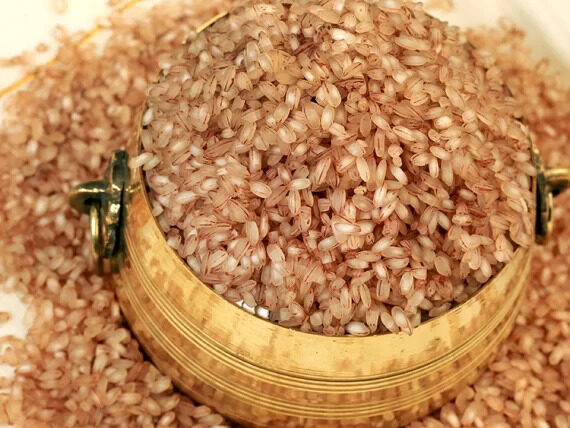
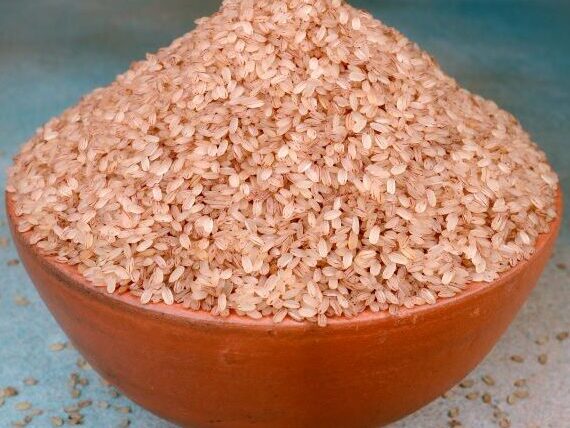
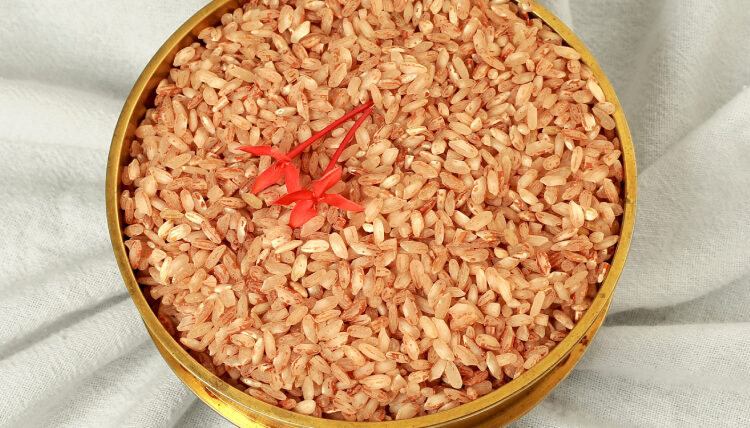
Matta rice—also known as Kerala Matta or Palakkadan rice—is a traditional reddish-brown grain commonly consumed in southern India. Its distinctive colour comes from the outer bran layer, which remains intact during milling. This layer contributes to its earthy aroma, fuller texture, and naturally higher nutrient content when compared to highly polished white rice.

Unlike refined grains, this rice feels hearty and satisfying on the plate. It has long been a part of everyday meals in Kerala households and festive spreads alike. As global food preferences shift toward less refined, more authentic ingredients, this once-regional staple is finding a new audience beyond India.

What Does “Double Boiled” Mean?

Before reaching consumers, the rice undergoes a traditional processing method known as parboiling. In this method, paddy is soaked and steamed before milling. For Double Boiled Matta Rice, this process is either repeated or intensified.

The purpose is simple:

  • Strengthen the grain and reduce breakage
  • Improve shelf stability
  • Create a firm, consistent texture after cooking
  • Enhance nutrient retention within the grain

For the consumer, the result is a rice variety that cooks evenly, holds its structure well, and delivers a robust eating experience, especially valued in traditional and slow-cooked dishes.

How Organic Farming Is Transforming Its Global Value

The rise in demand is not accidental. Organic farming has played a key role in elevating this rice from a regional staple to a premium global product.

1. Trust and Premium Perception

Organic cultivation reassures consumers about what they are eating. Lower chemical exposure, environmentally responsible practices, and transparent sourcing increase confidence—especially in international markets. For retailers and exporters, organic certification helps position the grain as a premium offering rather than a niche ethnic product.

2. Healthier Soil, Better Consistency

Organic farming relies on composting, crop rotation, and natural inputs that improve soil health over time. Healthier soil supports more consistent crop quality, which is critical for brands supplying global markets where uniformity matters.

3. Traceability and Compliance

Modern buyers expect traceability—origin details, processing transparency, and certification records. Organic supply chains are often better equipped to meet these requirements, making it easier for products like Double Boiled Matta Rice to enter high-value international channels.

Why Global Consumers Are Paying Attention

Fits the “Healthy Carbs” Movement

Today’s consumers evaluate carbohydrates differently. Fiber content, satiety, and processing methods matter more than simple calorie counts. With its intact bran layer and slower digestion profile, this rice naturally aligns with conversations around balanced, mindful eating.

Adapts Easily Across Cuisines

While rooted in South Indian cooking, this grain pairs well with a wide variety of global dishes—stews, curries, grilled vegetables, protein bowls, and meal-prep recipes. Its adaptability helps it cross cultural boundaries without losing its identity.

Texture as a Feature, Not a Flaw

For first-time buyers, the firmer bite may feel unfamiliar. But as whole grains gain popularity, that texture is increasingly seen as a mark of authenticity and quality rather than a drawback.

Nutritional Advantages in Everyday Terms

Without making exaggerated claims, this rice is often chosen for its practical nutritional benefits:

  • Higher fiber content supports digestion
  • Naturally occurring minerals and B vitamins remain in the bran
  • More filling meals can support better portion control
  • Encourages balanced plates with vegetables, lentils, and proteins

These factors make it appealing for families, homemakers, and anyone looking to improve everyday meals without drastic dietary changes.

Why Organic Double-Boiled Matta Rice Commands a Premium

From a market standpoint, higher value comes from both demand and production realities. Consumers are drawn to food that feels authentic, responsibly produced, and nutritionally meaningful. Organic cultivation strengthens that story.

At the same time, organic farming requires greater effort—manual pest control, strict audits, careful storage, and yield variability during transition years. These realities increase costs, which are reflected in pricing when demand is strong.

Together, they position Double Boiled Matta Rice as a premium grain with genuine substance behind the label.

Simple Cooking Tips for First-Time Buyers

To enjoy the best results:

  • Rinse 2–3 times
  • Optional soak: 30–60 minutes
  • Use more water than white rice (about 2.5–3 cups per cup of rice)
  • Cook longer and check for a firm but fully cooked texture

Exact methods may vary by brand, so consider this a starting point.

A Traditional Grain with Global Relevance

Organic farming is helping this rice move confidently from regional kitchens to international shelves. With its rich texture, cultural roots, and modern relevance, Double Boiled Matta Rice represents a growing appreciation for traditional foods done right.

As more producers combine responsible cultivation with transparent storytelling, this grain is no longer just a regional favourite—it’s becoming a globally valued staple.

Looking for High-Quality Sourcing?

If you’re seeking carefully milled, authentic rice grown with integrity, connect with us. We focus on purity, freshness, and responsible handling—so you receive a product that meets the expectations of both modern kitchens and traditional values.

Get in touch today to source premium-quality rice you can trust.

Read More
Payasam Rice

Pressure Cooker Payasam Rice: The 5-Minute Approach to Perfect Festive Kheer

No festival is complete in Kerala without the enticing smell of rich, creamy payasam simmering in the kitchen. But great payasam need not always have hours of slow cooking. With the right grain and a basic pressure cooker technique, you can whip up perfectly creamy kheer in a matter of minutes. It really just comes down to good-quality Payasam Rice and a swift method to keep taste and tradition intact.

If you’ve ever struggled to get the consistency just right, sometimes too thick, sometimes too watery, this 5-minute approach will help you make flawless festive payasam every single time.

Why Does the Right Rice Matter?

At the heart of any payasam is the grain, and that is where Payasam Rice plays an important role. The extra-tender, short grains absorb milk nicely while retaining their shape, therefore giving payasam its traditional creaminess. Unlike regular rice varieties, Payasam Rice doesn’t turn mushy, even when cooked quickly.

What you get is a dessert that’s smooth, rich, and evenly cooked, the way it’s meant to be.

Benefits of opting for quality Payasam Rice:

  • Cooks quickly and even
  • Absorbs milk and flavors deeply
  • Turns naturally creamy
  • Maintains shape without breaking apart

Be it paal payasam, jaggery payasam, or special festive kheer, the right rice makes all the difference.

The 5-Minute Pressure Cooker Method

While slow-cooked payasam can be quite tantalizing, a pressure cooker can do the same thing in a fraction of the time and create the same silky-smooth texture. The method enables rice to release its starch and give kheer the thick and creamy appeal without constant stirring.

Here’s how to do it.

Step 1: Rinse and Soak (Optional)

Wash the payasam rice gently.

Soaking for 10–15 minutes makes it a little softer and creamier, but you can skip it if you’re in a hurry.

Step 2: Pressure Cook the Rice  

Add to the cooker:

  • 1 cup Payasam Rice
  • 2 cups water
  • 1 cup milk

Close the lid and cook at medium flame for 2 whistles.

Step 3: Adding Milk and Sweetness

After the pressure has settled, open the lid and add:

  • 3 to 4 additional cups of milk
  • Jaggery syrup or sugar

Keep your simmer for about 5 minutes on a low flame.

It effortlessly merges with the milk, forming a thick and smooth kheer.

Step 4: Adding the Final Touches

Mix in:

  • Cardamom
  • Ghee-fried cashews and raisins
  • A pinch of edible camphor – optional

Your payasam is now festival-ready: creamy, aromatic, and cooked just right to perfection.

Why This Method Works Beautifully

  • The pressure cooker cooks Payasam Rice evenly, helping it release just the right quantity of starch.
  • There’s no risk of burning as most of the cooking happens under pressure.
  • The consistency is always just right, even for beginners.
  • The flavor remains authentic and similar to traditionally slow-cooked payasam.

This method is a lifesaver on busy festival days.

Payasam Varieties That You Can Prepare Using This Method

Using good-quality Payasam Rice, you can prepare the following in a jiffy:

  • Paal Payasam: Silky, light pink payasam with rich milkiness.
  • Palada Payasam: Smooth, soft texture using broken rice
  • Sarkkara Payasam: Deep jaggery flavours with a caramel tone
  • Coconut Milk Payasam: A light, fragrant version apt for feast days

One variety of rice, many celebrations.

Tips for perfect payasam every time

  • Use full-cream milk for richness 
  • Do not skip the final low-flame simmer — it defines the texture
  • If adding jaggery, reduce the flame to avoid curdling. 
  • Mash a small amount of the cooked Payasam Rice for additional creaminess.
  • Let the payasam rest for 10 minutes so the flavors settle deep inside 

These small steps give your payasam a restaurant-style finish. Great Payasam starts with great grain. While technique plays an important role, the magic of payasam starts with the selection of fresh, genuine Payasam Rice. The unique texture and natural starch of the rice make it perfect for thickening milk in all festival sweets. 

For any occasion, be it Onam, Vishu, family gatherings, or temple offerings, proper rice selection ensures consistent and delectable results.

Looking for Premium Payasam Rice? 

If you are looking for good quality, freshly milled Payasam Rice for your home or business, we can be of great assistance. 

Read More
Palakkadan Matta Rice

Gut Health Secrets: How the Fiber in Palakkadan Matta Rice Fuels Your Digestive System

For generations, Palakkadan Matta Rice has sat at the heart of Kerala homes, not just for its earthy aroma and rich flavor, but for standout digestive benefits. Today, as gut health becomes a worldwide priority, this traditional rice is being rediscovered for all those very traits on which our ancestors relied. Be it to improve digestion, nurture your microbiome, or simply feel lighter from within, Matta rice offers a naturally powerful, science-backed solution

Why Gut Health Deserves Your Attention?

While it may seem like the gut is about digestion, it’s a cornerstone of immunity, metabolism, hormonal balance, even mood. What’s the simple nutrient supporting them all? Fiber.

That is where Palakkadan Matta Rice scores. Unlike polished white rice, Matta retains the bran and germ, providing substantially more fiber and key micronutrients. The integrity of whole grains makes it a digestive champion.

1. Natural Fibre That Keeps Your System Moving

Matta rice has a coarse texture due to its richer fiber content, and this fiber acts like a natural internal cleanse that helps with regular digestive movements without discomfort.

How Fiber in Matta Supports Digestive Process:

– Promotes bowel regularity.

– Constipation is avoided naturally.

– Improves the consistency of the stool.

– Avoids putting extra strain on digestion for a smooth process.

Consuming Palakkadan Matta Rice regularly will help the digestive tract work rhythmically and effortlessly.

2. Prebiotic Boost for a Healthy Microbiome

A healthy digestion depends on a thriving tribe of friendly gut bacteria. For them to multiply and stay active, they need prebiotics-the food that fuels them.

The fiber in Palakkadan Matta Rice acts as a natural prebiotic, nurturing the good bacteria and keeping the microbiota in balance, which leads to the following:

– Reduced bloating and discomfort
– Improved nutrient absorption
– It provides a strong immune response.

3. Improved Communication along the Brain–Gut Axis

With a healthy, well-nourished microbiome, mood and spirits soar, concentration becomes much sharper, and energy is much steadier. Matta rice’s slow digestion supports metabolic health; whereas polished rice quickly digests and can even shoot up one’s blood sugar, Matta breaks down more slowly, releasing its energy without overloading the digestive system.

Advantages of the application of slow-release energy.

  • Long-lasting fullness
  • Reduces craving and snacking
  • Supports weight management
  • Maintains healthy blood sugar levels

Palakkadan Matta Rice is easily digestible by those individuals who suffer from indigestion or blood sugar problems.

4. Minerals That Improve Digestive Performance

Matta rice contains magnesium, calcium, iron, and B vitamins naturally, all of which are nutrients highly needed for digestive muscle function, enzyme production, and gut repair.

How these minerals support digestion:

  • Magnesium regulates the movement of the intestinal muscle.
  • Vitamins support energy metabolism
  • Iron maintains metabolic activity at its best level.
  • Calcium helps to promote easy digestive contractions.

Because Matta rice retains its outer layers, these nutrients remain intact and bioavailable.

5. Timeless Comfort Food with a Scientific Basis

For many years, Palakkadan Matta Rice has been celebrated in Kerala’s food culture for its healthy benefits. What was once traditional wisdom is now echoed by modern research, highlighting:

Whole grains-my new best friend

Dietary fiber-acquiring importance

Prebiotics: Does It Improve Gut Health?

The link between slow-digesting foods and metabolic balance

Making Matta not just a nostalgic pick, but a smart nutritional upgrade.

How to make Matta a Gut-Friendly Staple in Your Diet

Incorporate Matta rice in your daily diet with ease and effect.

Tips for better digestion:

– DPCM and Single-boiled variants are picked for most fiber content

– Rice should be soaked before cooking to soften the grain.

Pair it with vegetables, dal, or curd for a complete gut-friendly plate.
Take regularly to ensure consistency of the benefits.

It is enough if Matta replaces the refined rice even two or three days a week to give quite an improvement in digestion. 

One Simple Grain That Transforms Gut Health

In the world of processed foods and fast food, Palakkadan Matta Rice brings back balance to the digestive system. With its high fiber, natural prebiotic properties, rich minerals, and slow-releasing energy, this rice earns the title of staple, truly supporting gut wellness from the inside out. If better digestion, improved metabolism, and sustained wellness are what you are aiming for, this Kerala classic is among the easiest and most effective alterations one can make. 

Want to source high-quality Palakkadan Matta Rice? 

If you’re in search of genuinely traditional and consistently milled Palakkadan Matta Rice, reach out to us.

Assuring purity and freshness, we strive to preserve the quality that your home deserves. 

Read More