
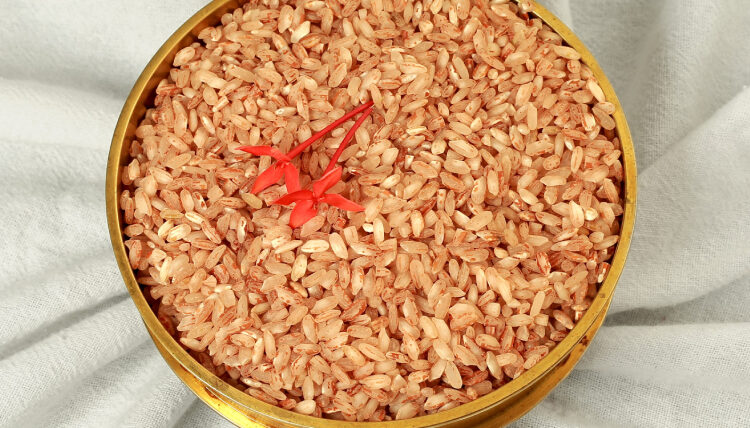
Payasam Rice

Pressure Cooker Payasam Rice: The 5-Minute Approach to Perfect Festive Kheer

No festival is complete in Kerala without the enticing smell of rich, creamy payasam simmering in the kitchen. But great payasam need not always have hours of slow cooking. With the right grain and a basic pressure cooker technique, you can whip up perfectly creamy kheer in a matter of minutes. It really just comes down to good-quality Payasam Rice and a swift method to keep taste and tradition intact.

If you’ve ever struggled to get the consistency just right, sometimes too thick, sometimes too watery, this 5-minute approach will help you make flawless festive payasam every single time.

Why Does the Right Rice Matter?

At the heart of any payasam is the grain, and that is where Payasam Rice plays an important role. The extra-tender, short grains absorb milk nicely while retaining their shape, therefore giving payasam its traditional creaminess. Unlike regular rice varieties, Payasam Rice doesn’t turn mushy, even when cooked quickly.

What you get is a dessert that’s smooth, rich, and evenly cooked, the way it’s meant to be.

Benefits of opting for quality Payasam Rice:

  • Cooks quickly and even
  • Absorbs milk and flavors deeply
  • Turns naturally creamy
  • Maintains shape without breaking apart

Be it paal payasam, jaggery payasam, or special festive kheer, the right rice makes all the difference.

The 5-Minute Pressure Cooker Method

While slow-cooked payasam can be quite tantalizing, a pressure cooker can do the same thing in a fraction of the time and create the same silky-smooth texture. The method enables rice to release its starch and give kheer the thick and creamy appeal without constant stirring.

Here’s how to do it.

Step 1: Rinse and Soak (Optional)

Wash the payasam rice gently.

Soaking for 10–15 minutes makes it a little softer and creamier, but you can skip it if you’re in a hurry.

Step 2: Pressure Cook the Rice  

Add to the cooker:

  • 1 cup Payasam Rice
  • 2 cups water
  • 1 cup milk

Close the lid and cook at medium flame for 2 whistles.

Step 3: Adding Milk and Sweetness

After the pressure has settled, open the lid and add:

  • 3 to 4 additional cups of milk
  • Jaggery syrup or sugar

Keep your simmer for about 5 minutes on a low flame.

It effortlessly merges with the milk, forming a thick and smooth kheer.

Step 4: Adding the Final Touches

Mix in:

  • Cardamom
  • Ghee-fried cashews and raisins
  • A pinch of edible camphor – optional

Your payasam is now festival-ready: creamy, aromatic, and cooked just right to perfection.

Why This Method Works Beautifully

  • The pressure cooker cooks Payasam Rice evenly, helping it release just the right quantity of starch.
  • There’s no risk of burning as most of the cooking happens under pressure.
  • The consistency is always just right, even for beginners.
  • The flavor remains authentic and similar to traditionally slow-cooked payasam.

This method is a lifesaver on busy festival days.

Payasam Varieties That You Can Prepare Using This Method

Using good-quality Payasam Rice, you can prepare the following in a jiffy:

  • Paal Payasam: Silky, light pink payasam with rich milkiness.
  • Palada Payasam: Smooth, soft texture using broken rice
  • Sarkkara Payasam: Deep jaggery flavours with a caramel tone
  • Coconut Milk Payasam: A light, fragrant version apt for feast days

One variety of rice, many celebrations.

Tips for perfect payasam every time

  • Use full-cream milk for richness 
  • Do not skip the final low-flame simmer — it defines the texture
  • If adding jaggery, reduce the flame to avoid curdling. 
  • Mash a small amount of the cooked Payasam Rice for additional creaminess.
  • Let the payasam rest for 10 minutes so the flavors settle deep inside 

These small steps give your payasam a restaurant-style finish. Great Payasam starts with great grain. While technique plays an important role, the magic of payasam starts with the selection of fresh, genuine Payasam Rice. The unique texture and natural starch of the rice make it perfect for thickening milk in all festival sweets. 

For any occasion, be it Onam, Vishu, family gatherings, or temple offerings, proper rice selection ensures consistent and delectable results.

Looking for Premium Payasam Rice? 

If you are looking for good quality, freshly milled Payasam Rice for your home or business, we can be of great assistance. 
Read More
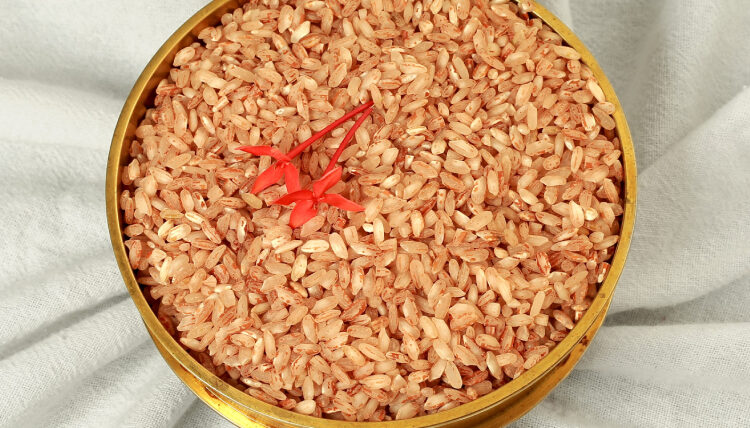
Payasam Rice

Payasam Rice vs Regular Rice: What Every Wholesaler Must Know

There’s a point usually somewhere between the first spoonful and the last where payasam stops being a dessert and starts being an experience. The creaminess, the soft yield of each grain, and the quiet way the aroma hangs in the air. That’s payasam rice doing exactly what it’s meant to do.

But here’s where it gets interesting. Most customers? They see “rice” as a single category of uniform ones. As a wholesaler, you know a lot better. You know that payasam rice and regular rice are as different as silk and denim. Both are useful and valuable. But each is living in its lane.

The Rice That Built a Festival

Payasam isn’t an everyday meal filler. It’s a cultural fixture, deeply embedded in weddings, temple offerings, Onam feasts, and Vishu mornings. The rice for payasam is often short-grained, semi-polished varieties like Jeerakasala or Unakkalari.

It’s cultivated, harvested, and processed with one end use in mind: absorbing milk and jaggery without collapsing into mush. That structure, that light stickiness, that warm undertone of nuttiness, and a lot more are ingrained into the grain’s DNA. And the mills that get it right? They’re not just selling rice; they’re bottling tradition in sacks.

Payasam Rice vs Regular Rice: Lining Up the Differences

Grain Size & Structure

  • Payasam rice: Compact, short, slightly chubby grains that release starch fast but keep shape in milk.
  • Regular rice: Can be long, medium, or short-grain; texture often aimed at fluffiness, not cream binding.

Starch Content

  • Payasam rice: Higher surface starch for the velvety thickness payasam demands.
  • Regular rice: Starch levels vary, but most are engineered for separation, not cohesion.

Aroma & Flavor

  • Payasam rice: Naturally aromatic with a subtle, floral, sometimes nutty sweetness throughout the dish.
  • Regular rice: Clean, neutral, built to work with curries, gravies, or stir-fries without coming across as core flavour.

Why Wholesalers Should Pay Attention

Festivals are freight trains of demand. Regular rice hums along in steady lanes all year, but payasam rice? It surges on festivities like Onam, Vishu, and locality-focused temple events. If you’re not stocked before the wave hits, you’re already too late.

Margins? They’re often higher on payasam rice. Specialty products carry a different perception as it is tied to quality, tradition, and scarcity. That means customers expect to pay more, and they will… if you guarantee authenticity and consistency.

And there’s positioning. Stocking payasam rice alongside regular rice sends a signal: you’re not just shifting bulk grain, you’re curating cultural staples. That’s something buyers remember.

Quality Control: Where Trust is Built or Broken

With payasam rice, there’s almost no room for error. Over-polished grains lose flavor, inconsistent sizing messes up cooking times, and even a slight contamination with another variety can ruin the final texture, along with your reputation with that client.

Are the suppliers worth their weight in the wholesale trade? They’re the ones:

  • Working directly with growers of heritage varieties
  • Testing starch and moisture content in every batch
  • Using sealed, food-safe packaging that locks in freshness
  • Printing clear grain type and harvest dates right on the bag

Sourcing with an Edge

Buying payasam rice from Kerala or Tamil Nadu mills isn’t just about flavor authenticity. It’s about freshness from reduced transit, it’s about keeping heirloom varieties alive in fields instead of archives, and it’s about supporting the growers whose harvests keep these grains in circulation.

With regular rice, local sourcing still improves freshness and reduces transport costs, but the cultural and heritage value is sharper with payasam rice. And that difference? It’s something worth putting in your pitch to buyers.

Closing Thought

Payasam rice is celebration rice, while regular rice is everyday rice. Both are essential, but they don’t compete; rather complement each other. For wholesalers, knowing exactly where each fits means sharper forecasting, higher margins, and a stronger grip on client trust.

If you’re a wholesaler, distributor, or business that deals in rice, partnering with a Kerala rice mill like Rabbit Mark might just be the most practical, profitable decision you make this year.

Rabbit Mark Modern Rice Mill isn’t just a business. It’s a part of Kerala’s story. And it might just be the next chapter in yours.

Explore more at RabbitMill.in

Read More