kerala rice mill

Kerala Rice Mill: Top Reasons to Support Local Rice Mills in Kerala

There’s something about rice from Kerala. You know it when you taste it. There is something special about the grain, the depth and the heart. What’s really behind that grain? Generations of tradition, hours of labor, and the quiet hum of a local rice mill working before dawn. If you’re someone who values consistency, quality, and supply-chain confidence (especially in wholesale), this is where your ears should perk up.

Let’s talk about why supporting local rice mills in Kerala isn’t just a good idea, it’s a smart business move.

Why Kerala Rice Mills Matter More Than Ever

The Tradition Behind Every Grain

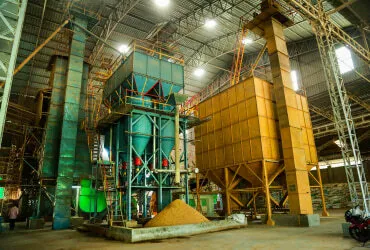
Kerala has always had a deep relationship with rice. From the red-tinged Palakkadan Matta rice to the lighter Kuruva rice, every region has its signature. But this tradition doesn’t live in a vacuum. It’s carried on in places like Rabbit Mark Modern Rice Mill, where traditional grains meet modern machinery.

The result? Rice that keeps its authentic flavor, nutritional profile, and consistency across bulk orders. And that last part matters. Especially when you’re a retailer or distributor trying to fulfill thousands of orders every month.

Want rice that keeps your customers coming back? Start with a mill that keeps heritage alive.

Better Quality Control, Batch After Batch

Consistency Isn’t a Bonus. It’s a Baseline.

Big factories might scale fast, but ask around and you’ll hear the complaints: one bag doesn’t match the next, starch levels fluctuate, or worse, something just tastes off. With local rice mills in Kerala, you’re not just getting rice, you’re getting a tightly managed process. At Rabbit Mark, for example, every batch passes through rigorous quality control.

No surprise: buyers love the reliability. Retailers stop worrying about returns. Chefs stop double-washing. The supply chain just runs smoother.

Clean, Hygienic, and Packed Right

Ever opened a bag and thought, “This looks… tired”? You’re not alone. Packaging matters. Cleanliness matters. And Kerala rice mills that operate on modern lines? They get it. From vacuum sealing to tamper-proof bags, packaging isn’t an afterthought, it’s part of the promise.

Supporting Kerala Means Supporting Sustainability

Local Means Lower Miles, Lower Footprint

Most rice in India still travels absurd distances from mill to market. When you buy from a rice mill in Kochi or rice mill in Malappuram, you’re cutting down on transit. That’s good for freshness. Good for the environment. And, honestly, good for your margins.

Keeping Traditional Varieties Alive

Ever noticed how rare Palakkadan Matta rice is outside South India? Or how organic rice from Kerala tends to vanish in the generic, polished shelves of supermarkets?

When you work with local mills, you’re helping keep these varieties in circulation. That means more biodiversity, better nutrition, and access to unique grains your customers can’t find everywhere else.

We supply traditional and premium Kerala rice in bulk, with guaranteed consistency. Contact Rabbit Mill for samples or wholesale pricing.

You Get More Than Just Rice

Supply Chain Confidence

Let’s be real. The rice itself is only half the equation. The rest? It’s logistics. Timely deliveries. Reliable reps. A point-of-contact who knows you by name. That’s what a local rice mill in Calicut like Rabbit Mark offers – strong back-end support with every order.

You don’t need to chase. You don’t get vague responses. You get service that’s tuned for wholesale.

Bulk Pricing That Doesn’t Compromise Quality

It can be tempting to buy cheaper rice from large conglomerates. But the hidden cost? Unhappy customers, inconsistent batches, and slow fulfillment.

Rabbit Mark solves that with competitive bulk pricing, without cutting corners. Because they own the process end-to-end, from paddy sourcing to final packaging, costs stay predictable and quality stays intact.

A Few More Reasons That Might Matter to You

  • Kuruva rice that’s lighter on the stomach and perfect for diabetic-friendly menus
  • Palakkadan matta in both single and double-boiled forms
  • Experience dating back to 1980. That’s a long time to get things right
  • A team that’s equally comfortable speaking tradition and logistics
  • Hygienic, food-grade packaging that looks as good as it protects

So, Why Support a Kerala Rice Mill?

Because this isn’t just about nostalgia or ‘going local.’ It’s about smart sourcing. Better taste. Higher trust. And building a supply chain that works like clockwork.

If you’re a wholesaler, distributor, or business that deals in rice, partnering with a Kerala rice mill like Rabbit Mark might just be the most practical, profitable decision you make this year.

Ready to upgrade your rice supply? Visit Rabbit Mill or reach out for a custom wholesale quote.

Final Grain of Thought

We’re not saying there aren’t other options. There are. But if you’re looking for quality that holds up batch after batch, and rice that your customers can taste the difference in, this is where you want to be.

Rabbit Mark Modern Rice Mill isn’t just a business. It’s a part of Kerala’s story. And it might just be the next chapter in yours.

Explore more at RabbitMill.in
Read More
kerala rice mill

How Kerala Rice Mill Process Paddy into High-Quality Rice

For Keralites across the world, a meal is incomplete without rice. But with paddy fields shrinking, the quality of rice on your plate now depends more than ever on how well it is processed. That’s where Kerala rice mill steps in, transforming raw paddy into the wholesome, high-quality rice you enjoy every day.

Ever wondered how this process works? 

Let’s take a closer look at how paddy is turned into premium rice in Kerala’s modern rice mills.

1. Sourcing the Best Paddy

It all starts with selecting the finest paddy from Kerala’s lush fields and beyond. Kerala rice mills work closely with local farmers and farmer associations to source:

  • The right paddy varieties (like Matta, Ponni, or Jeerakasala)
  • Grains that are optimally matured for better taste and texture
  • Paddy grown using chemical-free and organic farming methods for healthier rice

Since the quality of rice depends on the paddy itself, Kerala rice mills ensure that only the best grains make it to the processing stage—preserving the authentic taste, aroma, and nutrition of traditional Kerala rice.

2. Cleaning and Removing Impurities

Before processing begins, the paddy undergoes a thorough cleaning process to remove:

  • Dirt, dust, and mud
  • Small stones and broken grains
  • Insect-infested or damaged grains

Advanced cleaning machines—equipped with sieves, air blowers, and gravity separators—ensure that only clean, high-quality paddy moves forward. This crucial step guarantees that every grain of rice is safe and pure.

3. Drying the Paddy for Better Processing

Paddy needs just the right amount of moisture—between 12% and 14%—for optimal storage and milling. Too much moisture can cause rotting, while overly dry grains may break. Kerala rice mills use two methods to achieve the perfect balance:

  • Sun drying – A traditional method where paddy is spread on large concrete floors and dried under the sun with careful monitoring.
  • Mechanical drying – Industrial dryers are used to ensure uniform drying, prevent spoilage, and reduce the risk of fungal growth.

4. Parboiling – A Unique Kerala Rice Processing Step

Parboiling is a distinct feature of Kerala rice mills, especially when processing Matta rice and other traditional varieties. This process helps retain nutrients, makes the rice less sticky, and gives it a fluffier texture. No wonder parboiled rice is a favorite among Keralites!

The parboiling process involves:

  1. Soaking the paddy in warm water to enhance nutrient content
  2. Steaming to harden the grains and improve texture
  3. Drying the steamed paddy before milling

5. De-Husking – Removing the Outer Husk

Next, the tough outer husk of the paddy is removed. Kerala rice mills use rubber rollers or husking machines to:

  • Gently remove the husk without breaking the grains
  • Separate whole grains from broken ones
  • Minimize wastage and maximize efficiency

Interestingly, the rice husk collected from this process is repurposed—either as fuel for the mills or as an ingredient in animal feed.

6. Polishing and Whitening

The polishing step is what gives rice its smooth texture. Keralites have varied preferences when it comes to polished vs. unpolished rice. While some love unpolished rice like Kerala Matta for its natural nutrients, others prefer polished rice for its refined texture and taste.

To cater to both choices, Kerala rice mills follow a careful polishing process that includes:

  • Gently rubbing rice grains to remove the bran layer
  • Using mist sprays to enhance the rice’s shine
  • Applying a light coating (sometimes of glucose or talc) for an appealing look

7. Sorting and Grading for Quality Control

Before packaging, the rice is sorted and graded based on:

  • The size and shape of the grains
  • The percentage of broken grains
  • Color and overall appearance

Modern Kerala rice mills use optical sorting machines to detect and remove defective grains, ensuring only the best-quality rice is selected for sale.

8. Packaging to Maintain Freshness

Freshness is key when it comes to rice, and Kerala rice mills take packaging seriously. They use:

  • Airtight, moisture-proof bags to prevent spoilage
  • Vacuum-sealed or nitrogen-flushed packs for extended shelf life
  • Eco-friendly, biodegradable packaging for sustainability

Many premium brands have also started adding QR codes to their packaging, allowing buyers to trace the origins of their rice.

9. Distribution and Delivery to Markets

Once packaged, the rice is swiftly distributed to:

  • Local grocery stores and supermarkets
  • Restaurants and hotels
  • Online platforms for home delivery

Additionally, many Kerala rice mills export high-quality rice worldwide to meet the ever-growing demand from Malayalees living abroad.

Why Choose Rice from a Kerala Rice Mill?

If you want authentic, high-quality rice, choosing a trusted Kerala rice mill—like Rabbit Mark Modern Rice Mill—makes all the difference. Here’s why:

  • Locally sourced, traditionally processed – Kerala rice mills focus on native rice varieties that retain their original taste and nutrition.
  • Strict quality control – From sourcing to packaging, every step is carefully monitored to ensure only the best rice reaches your kitchen.
  • Sustainable practices – Many rice mills use eco-friendly techniques like solar drying and biodegradable packaging.

So, the next time you buy rice, take a moment to check where it comes from. Choosing rice from a Kerala rice mill means you’re getting freshness, purity, and a taste that feels just like home.

Read More