Kuruva Rice

From Farm to Plate: How Kuruva Rice Supports Local & Ethical Food Systems

Learn how Kuruva rice supports local farmers, ethical food choices, and sustainable food systems. Choosing this rice helps in building a fair farm-to-plate supply chain.

Eating ethically doesn’t always have to be expensive and complicated. Sometimes, it starts with a simple choice of choosing the food we choose to buy. Kuruva rice is an example of such a choice. It’s a traditional variety of rice grown in parts of Southern India, especially Kerala. The rice is often grown in small farms that still follow seasonal and local farming practices. By choosing this rice, you are choosing a food cycle that respects the tradition and values of small farmers. You are supporting an ethical and sustainable food system that values people and culture.

What Is Kuruva Rice?

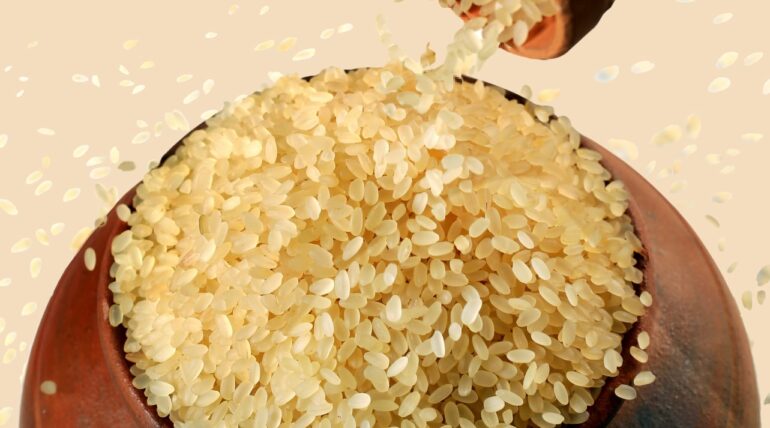
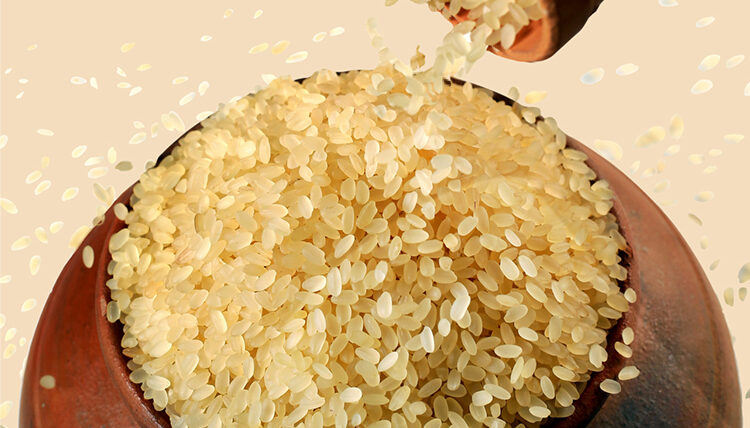
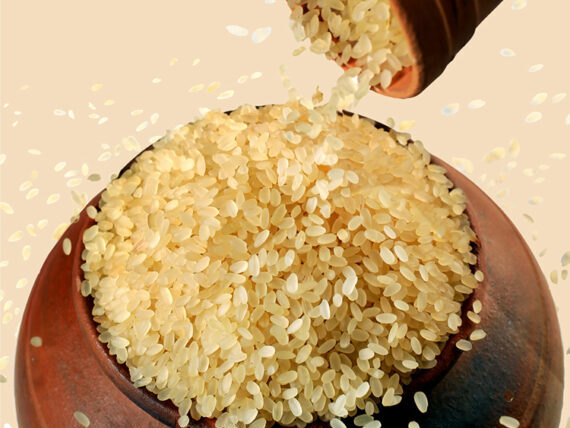
Kuruva rice is a native rice variety that is known for its aroma, firm texture, and consistent taste. Many families choose this rice for everyday meals because it pairs well with a variety of curries, lentils, and vegetables.

Unlike heavily processed rice that travels through polishing processes and long distances, this rice is often grown and sold through natural and shorter processes within regional networks. You can easily trace the journey of rice from farm to your house and trust the source for better alignment with ethical farming values.

A Traditional Grain With Local Roots

Kuruva rice is grown with traditional and local farming practices, which include seed saving, seasonal sowing, and cultivation methods known to the region. Local varieties of this rice are often grown with a deeper understanding of soil, rainfall, and local ecosystem conditions.

Why “Farm to Plate” Matters Today

When rice moves through large aggregators, processors, storage systems, and global shipping, two things can happen:

  1. Farmers often get paid less, even if consumers pay more.
  2. Consumers lose visibility into how the food was grown and handled.

The ideology of farm-to-plate reduces this gap. It focuses on transparency, fairness, and local value creation. 

Shorter Supply Chains Improve Trust

Kurua rice is sold through local farmers, local mills, and regional traders. Shorter chains can make it easier to know where the rice came from and how it was processed. It can also help in knowing the freshness of the rice as well. 

How Kuruva Rice Supports Local Food Systems

Beyond geography, local food systems are also about ownership, who benefits from the food production and who controls it. This traditionally grown rice helps the local food systems in many ways.

  1. It Helps Small and Marginal Farmers Stay Sustainable

Small farmers struggle with rising costs, unstable market prices and pressure to shift away from traditional varieties of crops. When consumers prefer traditional food like rice, farmers get a stronger reason to keep cultivating it. 

This supports:

  • farm-based livelihoods
  • local employment (planting, harvesting, milling)
  • community knowledge around seeds and cultivation
  1. It Keeps Value Within the Region

When rice is sourced, milled, and sold locally, more money stays within the local economy. This can lead to an improvement in rural resilience over time, especially in the regions where farming income is seasonal.

The Ethical Side of Choosing Kuruva Rice

Ethical food systems are built on the ideas of fairness, transparency, and respect for nature. Kuruv rice aligns well with the mentioned principles.

  1. Fairer Earnings for Farmers

Many ethical food brands and farmer collectives aim to reduce the gap between farm-gate price and retail price. When the chain of growing crops and selling them is shorter and more direct, farmers receive a better share of the final value.

To support this, look for sellers who:

  • Share sourcing details clearly
  • mention farmer groups or growing regions
  • Avoid vague labels with no traceability
  1. Better Transparency for Consumers

When the product labels are unclear, ethical buying becomes difficult. With Kuruva rice, many local suppliers can provide information like:

  • district or village sourcing
  • milling method
  • harvest season or batch
  • storage and packing date

This is a practical form of transparency that helps you make informed choices.

Lower Food Miles, Lower Impact

Food miles refer to the distance food travels before it reaches your plate. Food miles are a sustainability factor and are important for the staples consumed daily.

  1. Choosing Local Rice Reduces Transport Burden

When you buy a rice variety grown closer to or within the region you live in, you reduce:

  • long-haul shipping needs
  • fuel consumption across supply stages
  • storage time in large warehouses

When purchased through regional channels, rice can be a lower-impact choice in comparison to highly globalised staple supply chains.

Kuruva Rice and Traditional Processing Practices

Beyond farming, ethical food systems are about processing as well. The process involved in handling rice can impact nutrition, taste, and waste management.

Large industrial processing involves heavy polishing and long storage cycles. Traditional milling often focuses on preserving the natural characteristics of the grain.

In many cases, this can mean:

  • better texture and aroma
  • fewer processing steps
  • less breakage and wastage

How to Buy Kuruva Rice More Ethically

If you wish to support local and ethical food systems, your buying habits matter too. Not all products sold under the tag of traditional are ethically sourced. Here are some tips for buying traditionally grown rice:

  1. Check for Clear Sourcing Information

Prefer sellers who mention the region where the rice was grown, which is Kerala or other places in Southern India, batch details, and packing date. You can also check whether the rice was freshly milled or sourced ethically from the farmers.

  1. Choose Sellers With Direct or Responsible Procurement

Some good signs include:

  • farmer producer organizations (FPOs)
  • cooperatives
  • ethical local brands that explain their sourcing
  1. Avoid Overly Vague Marketing

Avoid buying Kuruva rice, which only says “premium’ or “organic” but does not provide any meaningful information on how it was sourced and processed. Ethical food is not only about claims—it is about proof.

Simple Ways to Add Kuruva Rice to Your Meals

This traditionally grown rice fits easily into regular Indian cooking. You do not need special recipes.

Everyday Meal Pairings

  • Kuruva rice with sambar and thoran
  • with rasam and stir-fried vegetables
  • with curd and pickle
  • with dal, ghee, and a simple sabzi

One Staple, Many Positive Effects

Kuruva rice is more than a traditional grain. It represents a different kind of food system—one that respects local farming, supports livelihoods, and keeps supply chains more transparent.

When you choose this rice from a responsible source, you support:

  • small farmers and rural communities
  • local processing and regional supply chains
  • more traceable and ethical food choices
  • a lower-impact, less wasteful way of eating

Ethical food does not need to be perfect. It needs to be intentional. And sometimes, it starts with the rice on your plate.

Get traditional and ethically sourced Kuruva rice, straight from the farm to your plate. Talk to us now.
Read More
Kerala Kuruva Rice

The Farmer’s Secret Behind the Popularity of Kerala Kuruva Rice

If you’ve ever eaten a plate of steaming Kerala Kuruva Rice, you probably know what I mDoean when I say it tastes like home. There’s something earthy about it. Something that feels a bit more real than the polished white grains we usually see in restaurants. And yet, somehow, it’s showing up in more restaurant menus and store shelves than ever before.

So, what’s going on? Why is everyone, starting from chefs to retailers and from homemakers to home-away bachelors, suddenly talking about Kuruva?

Well, it has less to do with clever marketing and more to do with the quiet, steady choices farmers have been making in Kerala for generations. And if you’re in the business of running a store or feeding hundreds of people every week, knowing the “why” behind this rice can save you a lot of trouble (and make you a loyal customer base in the process).

Before we go too far, though, if you’re a retailer or restaurant owner looking for a consistent supply of Kerala Kuruva Rice, Rabbit Modern Rice Mill has you covered.

What Makes Kerala Kuruva Rice Different?

Let’s start with the basics. Kuruva is not your average polished grain. It’s usually sold unpolished or semi-polished, which means most of the bran and nutrients stay intact. People call it unpolished red rice, but depending on the milling, it can look anywhere between light brown to deep red.

And it’s not just about the looks. This is whole-grain rice in the true sense. Chewier, yes. Heavier than basmati, sure. But it’s filling in a way that makes you eat slower, and maybe that’s why it’s always been popular in Kerala kitchens. Families could stretch meals further. Workers could go longer without feeling hungry.

From a restaurant or store perspective, that “hearty” quality is exactly what customers are now starting to ask for. People want less processed, more authentic food. They’re willing to pay a little extra for indigenous Kerala rice if they believe it’s healthier, tastier, and rooted in tradition.

Why Farmers Still Grow It (Even When It’s Tougher)

Kuruva isn’t the easiest rice to grow. Farmers could switch to high-yield hybrids and probably make money faster. But many don’t. Why?

Because it’s hardy. Kerala Kuruva Rice has a way of withstanding floods, irregular rains, and even pests better than some of the “modern” varieties. Farmers see it as a safety net crop. It may not always give bumper harvests, but it’s reliable.

And reliability is what you, as a business owner, want, right? Think about it. If farmers have faith in the crop, that’s one less variable for you in the supply chain. You don’t have to keep switching suppliers every few months because stock ran out or quality dipped.

Of course, none of this matters if you can’t actually get it delivered on time. Which is where mills like Rabbit Modern Rice Mill step in; they take that farmer reliability and turn it into retailer reliability.

If a steady supply matters to you (and I know it does), this is where we can help. Explore bulk supply options at rabbitmill.in.

Why Restaurants and Stores Are Betting on Kuruva

Okay, let’s put ourselves in the shoes of a restaurant owner for a second. You’re trying to stand out. Customers are bored with the same old rice. You want something earthy, something that makes them say, “Wow, that tasted different.” That’s where Kerala Kuruva Rice fits in.

It pairs beautifully with traditional Kerala dishes — fish curry, thoran or avial. But I’ve also seen chefs experiment with it in grain bowls and modern health menus. It’s versatile once you get used to its chewiness.

And for stores? There’s a simple math at play. Shoppers are picking it off shelves faster than they used to. Whole grain rice is trendy, yes. But unpolished red rice has that added “indigenous” appeal. It’s not imported. It’s not some new fad. It’s grown locally in our backyard, in God’s own country, Kerala. That authenticity is powerful in a market that’s flooded with packaged, anonymous rice varieties.

The Pain Points Nobody Talks About

Now, let’s be real for a second. It’s not all rosy. If you’ve tried sourcing Kerala Kuruva Rice before, you probably know the struggles:

  • One batch is perfect, the next is broken and uneven.
  • Deliveries get delayed. Sometimes weeks.
  • Prices fluctuate without warning.

These things frustrate retailers and restaurants alike. Because your customers don’t care if your supplier messed up. They just want their rice on time.

This is exactly why Rabbit Modern Rice Mill has built its reputation around consistency. Not glamorous, I know. But that’s what businesses need. Bulk orders, competitive pricing, and quality that doesn’t change from one truckload to the next.

The Quiet Rise of Indigenous Kerala Rice

I think the real reason behind Kuruva’s growing popularity is this bigger shift we’re seeing. People are moving back towards food that feels rooted. They don’t want every grain of rice to look perfect if that means losing the soul of it.

Kerala Kuruva Rice, unpolished red rice, and all these indigenous varieties are becoming a way for people to connect to something older, something less processed. And that’s not a short-term fad.

For you as a business owner, this means one thing: if you can secure a steady supply of these varieties now, you’ll be ahead of the curve when demand spikes even more.

Get in touch with Rabbit Modern Rice Mill today and lock in your bulk orders.

So, Why is Kerala Kuruva Rice So Popular?

It’s partly the farmers who never stopped trusting it. Partly, the customers who are rediscovering its value. And partly businesses like yours, which see the potential in giving people what they quietly crave. At Rabbit Modern Rice Mill, we’re trying to make that supply chain smooth so you don’t have to worry about whether your next bag of Kuruva will meet expectations. You focus on running your store or your kitchen. We’ll take care of the rice.

Visit rabbitmill.in to learn more, place an order, or simply start a conversation.

Because the secret behind Kerala Kuruva Rice isn’t really a secret anymore, it’s just about finding the right partner to bring it to your table.

Read More
kerala kuruva rice

Kerala Kuruva Rice: Why This Traditional Grain Is the Pride of Kerala’s Paddy Fields

There’s rice. Then there’s Kerala Kuruva rice—a grain that floats between memory and harvest, between fields that flood and skies that hesitate to rain. Say the name in Kerala and watch an old farmer’s eyes gleam, because this isn’t just grain, it’s inheritance. What makes it so? There’s texture, sure. Aroma, definitely. But above all, there’s a sense of place baked into every grain—fields from Wayanad to Palakkad where farmers still wake up to the sound of paddy whispering through waterlogged soil.

Now, let’s just say if you’re a wholesaler, a restaurant supplier, or someone whose customers can taste the difference between “just rice” and “oh, where did you get this rice?”, you might want to pay attention. Kerala Kuruva rice is your quiet showstopper.

Kerala Kuruva Rice: The Grain with Mud on Its Feet and Stories in Its Husk

You can trace Kerala’s devotion to rice by the seasons. Red Matta from Palakkad hogs the spotlight for its boldness, but Kerala Kuruva rice? It’s the quiet counterpart—subtle, airy, unassuming until it lands on the plate.

Imagine water sluicing through channels fed by the Bharathapuzha river, saturating fields until the soil turns thick and eager. That’s where Kuruva rice germinates—on patience and water. Double cropping, seasonal rhythms, organic fertilisers, even the timing of the transplant—every step feels less like agriculture and more like choreography.

Why does this matter? Because this grain arrives on your table light, fluffy, and without the post-lunch slump. Diabetic-friendly, easy on digestion, and softer than most others. Your customers will notice. Your chefs won’t stop asking where you’re sourcing from.

Consistency Isn’t a Feature. It’s the Point.

Sure, you can import rice by the tonne from faceless suppliers. But good luck predicting texture or starch levels. Some shipments crumble like sandpaper. Others? Mushy, like someone soaked them for too long. The mills in Kerala, think Rabbit Mark Modern Rice Mill for example, aren’t just machines whirring through husks. They’re checkpoints. Every batch of Kuruva is inspected, weighed, cleaned, and run through eyes—both human and mechanical. Quality control isn’t a department, it’s the pulse.

Then there’s the packaging. Ever opened a rice bag that looks like it just survived a dust storm? Not here. Vacuum-sealed, tamper-proof, and packed like a product that knows it’s destined for discerning kitchens—not just the back shelves of a warehouse.

Why Sourcing Kerala Kuruva Rice is a Move That Pays in More Ways Than One

Let’s talk geography, carbon, and margins. Most of India’s rice supply criss-crosses highways and railroads before it even hits a shelf. But Kerala Kuruva rice sourced from within Kerala? That’s fewer transit miles, fresher stock, and savings that don’t just vanish into fuel costs.

And there’s the quiet activism baked into this choice. You’re helping sustain traditional farming that refuses to trade soil health for synthetic yield spikes. This isn’t chemical warfare disguised as agriculture. It’s soil cycles, green manure, controlled irrigation, and organic resilience playing a long game.

It’s a grain grown on ethics and rain, and that sells itself in an age where ‘sustainable’ is more than a marketing buzzword—it’s a buying trigger.

Supply Chains That Don’t Feel Like a Game of Chase

You’re not just buying rice. You’re buying peace of mind. Mills like Rabbit Mark offer not just the grain, but the predictability of punctual delivery, clear invoicing, and zero surprises. When your customers are lined up, waiting for their orders, you can’t afford flaky supply chains.

Competitive bulk pricing? Naturally. But here’s the real clincher—consistent quality that makes repeat orders a given, not a gamble. Because these mills own the journey from field to fork, price fluctuations and quality dips are someone else’s problem—not yours.

Some Things About Kerala Kuruva Rice You’ll Want to Tell Your Buyers

  • Lower glycemic index: whisper it to your health-conscious clientele and watch them smile.
  • Hygienic processing: no compromise, no dust, no half-measures.
  • Diabetic-friendly: it’s not a claim, it’s a feature.
  • Traditional farming roots: every grain is a nod to heritage farming.

Let’s Make This Official

Tired of inconsistent grain quality and suppliers who vanish after the invoice? Connect with Rabbit Mark Modern Rice Mill. Let’s get Kerala Kuruva rice flowing through your supply chain, packaged for impact and primed for repeat orders.

 Explore more at RabbitMill.in

Final Grain of Thought

You can buy ordinary rice anywhere. But if you want rice that carries the scent of Kerala’s monsoons, the texture of heritage, and the soft bite of craftsmanship—then Kerala Kuruva rice is where your search ends.

Rabbit Mill isn’t just selling rice. They’re sending a piece of Kerala in every sack. Maybe it’s time your business made space for that.

Read More
kerala kuruva rice

Kerala Kuruva Rice: A Traditional Grain Loved for Its Aroma and Taste

If you grew up in a Kerala household, you know rice isn’t just rice. It’s a memory. It’s comfort. Kerala Kuruva rice fills plates —and hearts — in a way polished white rice can’t. But maybe that’s just me, being nostalgic.

I still remember the earthy aroma when it was cooked at my grandmother’s house. A soft whisper of nostalgia, mixed with the promise of coconut curry. That’s Kuruva.

As more homemakers like you look for healthy alternatives to white rice, Kerala Kuruva rice is quietly making its place in kitchens, not because it’s trending, but because it delivers what matters: fiber-rich, authentic, subtly flavored rice, grown and milled in Kerala’s heartland.

Curious? Let’s dive in.

Want to taste authentic Kerala Kuruva rice, milled with care? Check out Rabbit Modern Rice Mill, where they blend tradition and quality.

Why Health-Conscious Homemakers Are Looking for Kerala Kuruva Rice

Authentic taste and heritage

This isn’t a retro trend. Kuruva is woven into Kerala’s culinary fabric. Unlike commercial rice, it’s single boiled or par-boiled, retaining aroma and trace minerals from the husk. Every grain reminds you of simple, homely meals — no fancy marketing, just honesty.

More fiber, less empty carbs

Kuruva rice is slower to digest. It releases energy steadily. That’s because it retains bran layers that white rice loses. For homemakers keeping an eye on family health — elders, kids, and everyone else — that steady digestion makes it a smart staple.

Packed with naturally sourced nutrients

Studies and farm results point to Kuruva’s nutrient score — vitamins, magnesium, selenium — all held in place by parboiling . If you’ve ever checked a label and wondered if it means anything, Kuruva rice delivers. No shiny marketing. No mystery ingredients.

How Rabbit Mill Brings the Best of Kerala in Every Grain

Rabbit Modern Rice Mill in Palakkad, often praised as one of the modern rice mills in Kerala, treats Kuruva with home-like care. Here’s what sets them apart:

1. Locally harvested in Palakkad

Rice is sourced from trusted farms in the mythic fields of Palakkad, the same land that’s been nurturing rice for centuries.

2. Traditional processing meets modern hygiene

They gently par-boil the Kuruva in the husk, sun-dry it, and mill it. No over-polishing, no chemicals . Then they pack it mindfully, so it stays fresh in your pantry.

3. Consistency you can trust

Every batch is tested for taste, aroma, color, and texture. No surprises. Just wholesome grain.

Want rice that your mom would approve of? Give Rabbit Mill a try. Visit www.rabbitmill.in 

Cooking Kuruva Rice: A Tale of Patience and Reward

Let’s be honest: Kuruva takes a little prep. But the reward is worth it.

  1. Rinse, then soak for 30–60 min.
  2. Use 1 cup rice to 2.5 cups water.
  3. Pressure-cook for about 2–3 whistles, then simmer.
  4. Let it rest.
  5. Fluff with a fork.

The result? Grains cooked just right — they hold shape, still feel soft, and smell like home .Once you get this rhythm, it’s easy. It becomes part of your weekly cooking hack—not a chore, more like a ritual.

Crisp, Hygienic Packaging Preserving Freshness

Rabbit Mill knows homemakers deserve convenience too. Their packaging locks in freshness, aroma, and moisture control. No stale grains, no unexpected odors. Just grab, open, and cook.

No fuss. No compromise on health or hygiene.

Quick FAQs for Homemakers

Is Kuruva rice hard to digest?

Actually, it’s gentler on the stomach. The bran slows digestion, avoids sugar spikes, and supports gut health.

Does it suit my kid’s taste buds?

The flavor is neutral and slightly nutty. Think soft, warm, calm — not overpowering. You can pair it with rasam, thoran, or meaty curries.

Will my family miss white rice?

Maybe. This rice smells and feels familiar, even if it’s a bit firmer. Some days, your grandma’s feeling returns in every bite.

Before You Know It: A Healthier Staple for Your Family

If you’re seeking fiber-rich rice that’s real, naturally processed, and packed with tradition — Kerala Kuruva rice from Rabbit Mill fits the bill.

Not just a kitchen ingredient. A way to care for your family daily.

Ready to add Kuruva rice to your pantry? Pick your first pack Rabbit Mill from your nearest store.

Summary

Kerala Kuruva rice isn’t just rustic. It’s a healthier, more authentic alternative to processed rice. Full of natural flavor, fiber, and nutrients. Rabbit Mill brings it to your table with care — sourcing locally, processing traditionally, packaging hygienically.

Your family deserves food that’s nourishing, honest, and rooted in heritage.

Craving tradition? Health? That small aroma of home in every grain? Head to www.rabbitmill.in and explore Kerala Kuruva rice today.

Let your rice do more than fill plates. Let it nurture.

Read More
kerala kuruva rice

How Kerala Kuruva Rice Helps in Digestion and Gut Health

Kerala Kuruva rice, a traditional variety of red rice cultivated in the state of Kerala, is gaining attention for the potential benefits of improving digestion and gut health. This rice is high in dietary fiber and is a source of important nutrients that contribute to healthy digestion and overall health.

Nutritional Profile of Kerala Kuruva Rice

Kerala Kuruva rice possesses bran and germ layers, which are a good source of dietary fiber, vitamins, and minerals. This structure gives Kerala Kuruva rice its reddish color, as well as the nutritional profile that it possesses. The fiber, in particular, helps maintain optimal digestion, while antioxidants and nutrients maintain overall health.

In our modern conveniences and lifestyle, convenience always pulls us towards processed foods that are nutritionally-poor.  Eating real food is much preferable, (not polished white rice devoid of fiber and nutrition). When we eat ancient grains, we are not only making a better choice for our health, but we also help to sustain farming practices that trace forward through generations; employing local farmers who grow heirloom varieties. For families, who are trying to strengthen their roots toward health, eating grains such as Kerala Kuruva rice is a free-be. While it has a more nutty taste, it also turns health into a fun experience that is part of our meals instead of a mundane must-do. Going back to eating natural foods is an easy step towards easy digestion and gut health, and health period!

Many people refer to gut health as the bedrock of overall wellness. A healthy gut not only helps our body digest food, but it also provides proper immune health, improves mood and even helps our skin. Kerala Kuruva rice is a fantastic remedy for maintaining gut integrity because of its rich, natural fiber and antioxidants. The fiber acts as a soft brush to the intestines gently pushing waste materials out of the body, and allowing for good treat of the intestinal flora. This friendly flora is responsible for developing short-chain fatty acids (SCFAs) that provide nourishment for our gut lining and help to decrease inflammation. The natural antioxidants in Kuruva rice also help to combat oxidative stress inside the digestive system, increase healing, and allow for better absorption of nutrients. Persistence with Kuruva rice has shown to prevent symptoms of common digestive disturbances like bloating, indigestion and Irritable bowel symptoms. Kuruva rice is more sustainable than any quick-fix probiotic supplements – it is just a natural source of nurturing gut health. Provided it is easy on the stomach, its taste and texture can make healthy eating feel less like a chore and more like an enjoyable experience.

Benefits for Digestion and Gut Health

1. High Dietary Fiber

The primary reason that Kerala Kuruva rice promotes digestive health is that it is high in dietary fiber. Fiber promotes regular bowel transit time and helps control constipation symptoms. Fiber is also a prebiotic, allowing it to feed the healthy bacteria in your gut. This helps balance the gut microbiome, which is vital to digestion and absorption of nutrients.

2. Low Glycemic Index

Kerala Kuruva rice is classified as having a low glycemic index, which allows it to release glucose gradually, and this can help stabilizing blood sugars by preventing the sharp increase that can be experienced when glucose is released into the bloodstream more rapidly, which can also affect the digestive process.

3. High in Antioxidants

The red color present in Kerala Kuruva rice is contributed by antioxidants called anthocyanins, which can help with inflammation in the gut, and therefore support healthy gut.

4. Nutritional

Slow Release Kerala Kuruva rice is a good source of nutrients like magnesium and B vitamins. Magnesium supports muscle function, including digestive tract muscles, and B vitamins support energy metabolism, and keeping organs in the digestive tract healthy.

Incorporating Kerala Kuruva Rice into Your Meals

To gain the digestive benefits of Kerala Kuruva rice, consider adding it to your meals instead of white rice. It has a nutty flavor and chewy texture, allowing it to fit in a variety of foods. Soaking the rice first before cooking, can help to shorten the cooking process while improving digestibility.

Its high fiber content, low glycemic index, antioxidant qualities, and nutritional value all support digestion and gut health, making Kerala Kuruva rice a great option. If you want to experience some of the benefits of this traditional rice, including digestive health, we invite you to incorporate it into your meals.If you are interested in experiencing the traditional experience of authentic Kerala Kuruva rice, visit Rabbitmill – it is a step toward healthier digestive health.

Read More