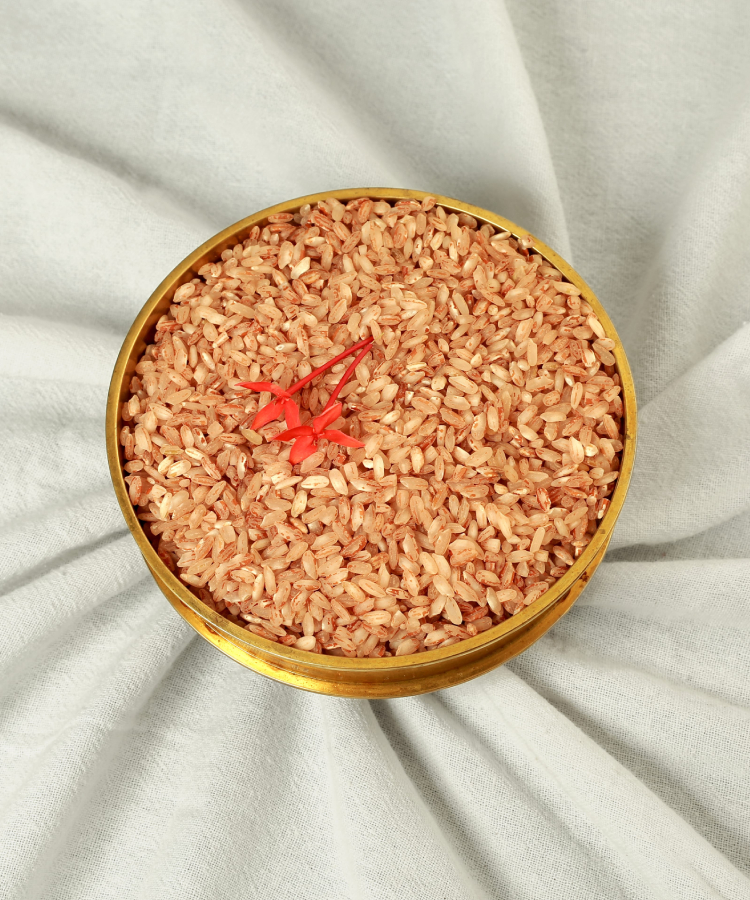
There’s a point usually somewhere between the first spoonful and the last where payasam stops being a dessert and starts being an experience. The creaminess, the soft yield of each grain, and the quiet way the aroma hangs in the air. That’s payasam rice doing exactly what it’s meant to do.
But here’s where it gets interesting. Most customers? They see “rice” as a single category of uniform ones. As a wholesaler, you know a lot better. You know that payasam rice and regular rice are as different as silk and denim. Both are useful and valuable. But each is living in its lane.
The Rice That Built a Festival
Payasam isn’t an everyday meal filler. It’s a cultural fixture, deeply embedded in weddings, temple offerings, Onam feasts, and Vishu mornings. The rice for payasam is often short-grained, semi-polished varieties like Jeerakasala or Unakkalari.
It’s cultivated, harvested, and processed with one end use in mind: absorbing milk and jaggery without collapsing into mush. That structure, that light stickiness, that warm undertone of nuttiness, and a lot more are ingrained into the grain’s DNA. And the mills that get it right? They’re not just selling rice; they’re bottling tradition in sacks.
Payasam Rice vs Regular Rice: Lining Up the Differences
Grain Size & Structure
- Payasam rice: Compact, short, slightly chubby grains that release starch fast but keep shape in milk.
- Regular rice: Can be long, medium, or short-grain; texture often aimed at fluffiness, not cream binding.
Starch Content
- Payasam rice: Higher surface starch for the velvety thickness payasam demands.
- Regular rice: Starch levels vary, but most are engineered for separation, not cohesion.
Aroma & Flavor
- Payasam rice: Naturally aromatic with a subtle, floral, sometimes nutty sweetness throughout the dish.
- Regular rice: Clean, neutral, built to work with curries, gravies, or stir-fries without coming across as core flavour.
Why Wholesalers Should Pay Attention
Festivals are freight trains of demand. Regular rice hums along in steady lanes all year, but payasam rice? It surges on festivities like Onam, Vishu, and locality-focused temple events. If you’re not stocked before the wave hits, you’re already too late.
Margins? They’re often higher on payasam rice. Specialty products carry a different perception as it is tied to quality, tradition, and scarcity. That means customers expect to pay more, and they will… if you guarantee authenticity and consistency.
And there’s positioning. Stocking payasam rice alongside regular rice sends a signal: you’re not just shifting bulk grain, you’re curating cultural staples. That’s something buyers remember.
Quality Control: Where Trust is Built or Broken
With payasam rice, there’s almost no room for error. Over-polished grains lose flavor, inconsistent sizing messes up cooking times, and even a slight contamination with another variety can ruin the final texture, along with your reputation with that client.
Are the suppliers worth their weight in the wholesale trade? They’re the ones:
- Working directly with growers of heritage varieties
- Testing starch and moisture content in every batch
- Using sealed, food-safe packaging that locks in freshness
- Printing clear grain type and harvest dates right on the bag
Sourcing with an Edge
Buying payasam rice from Kerala or Tamil Nadu mills isn’t just about flavor authenticity. It’s about freshness from reduced transit, it’s about keeping heirloom varieties alive in fields instead of archives, and it’s about supporting the growers whose harvests keep these grains in circulation.
With regular rice, local sourcing still improves freshness and reduces transport costs, but the cultural and heritage value is sharper with payasam rice. And that difference? It’s something worth putting in your pitch to buyers.
Closing Thought
Payasam rice is celebration rice, while regular rice is everyday rice. Both are essential, but they don’t compete; rather complement each other. For wholesalers, knowing exactly where each fits means sharper forecasting, higher margins, and a stronger grip on client trust.
If you’re a wholesaler, distributor, or business that deals in rice, partnering with a Kerala rice mill like Rabbit Mark might just be the most practical, profitable decision you make this year.
Rabbit Mark Modern Rice Mill isn’t just a business. It’s a part of Kerala’s story. And it might just be the next chapter in yours.
Explore more at RabbitMill.in