Inside a Kerala Rice Mill: How Tradition and Technology Power Your Daily Grain

Let me tell you something that might surprise you.The rice on your plate? The fluffy, fragrant stuff you barely think about before digging in, it probably took quite a journey to get there. And if you’re buying in bulk or distributing across regions, you’re likely already knee-deep in those logistics.Still, I think it’s worth taking a moment to peek behind the curtain. Just a bit.Because inside a Kerala rice mill, there’s more going on than just machines churning. There’s tradition. There’s precision. There’s the kind of care that doesn’t always show up on spec sheets.

Welcome to Rabbit Modern Rice Mill.

Located in the quaint town of Pallavoor 25 km away from Palakkad town, this is where the old meets the new. Quite literally. From time-tested processes passed down over generations to cutting-edge technology ensuring consistency and quality, it all comes together in ways that matter more than you might expect.

Why Rice Mills in Kerala Still Feel Personal

You know how some places just feel like they’ve seen things? A Kerala rice mill is like that.

Especially in places like Kochi, Calicut, and of course, Malappuram, rice isn’t just an industry. It’s heritage. Families have been milling, trading, and refining for decades. And sure, the machines have changed. But the intention? That hasn’t budged.

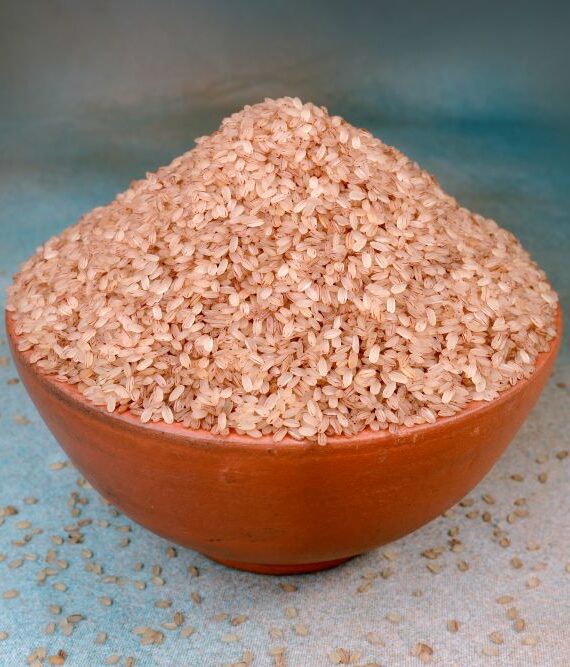
The thing about Rice Mills in Kerala is they tend to treat rice like a story, not just a crop. Every bag of Palakkadan Matta or Kuruva rice carries more than nutrition, it carries history. And if you’ve ever tasted rice grown and milled in Kerala, you probably know what I mean.

The Role of Tech (and Why It Doesn’t Replace People)

At Rabbit Modern Rice Mill we have automated sorting, precision cleaning, moisture control and colour sorters that can spot the tiniest flaw.

But here’s the thing:

It’s not just about technology. It’s about what people do with it.

Someone still tastes, still checks, still watches every batch. Machines can scan for shape and colour but they don’t know what grandma’s rice smelled like on a rainy day in Palakkad or Thrissur. Humans do.

And that’s why tradition still leads, even when automation plays backup.

Curious about how we balance tech and tradition? Talk to us at Rabbit Mill and we’ll walk you through it.

What Wholesale Buyers Actually Care About (And We Get It)

Let’s be real. If you’re a distributor or wholesale buyer, your needs are clear.

You want consistency. Clean packaging. Bulk orders delivered on time. You want rice that holds up under scrutiny and meets the evolving preferences of today’s health-conscious customers, especially like the ones asking for organic rice from Kerala or non-polished variants.

We hear you. And that’s why our systems are built for scale, but our service feels small-batch. You’re not just buyer #2238 in a database.

Whether it’s premium Palakkadan Matta rice for a health-food brand or Kuruva rice for traditional markets, we adapt. And we do it with you, not to you.

Want to get pricing or samples? Reach out here and let’s start with a quick conversation.

What Sets Rabbit Mill Apart from Other Rice Mill in Kerala

It’s tempting to think all mills are the same.

They’re not.

Here’s what makes us a little different:

1. We Work Like a Family Business (Because We Are)

There’s a culture of showing up. For each other. For our clients. That energy flows into everything, from how we handle grains to how we answer your calls.

2. Our Machines Work Hard, but Our People Work Harder

It’s not just processing rice. It’s understanding what kind of rice works for which kind of market, and why a certain batch might be better for a customer in Bangalore vs. one in Malappuram.

3. Local Roots, Global Standards

We operate in Palakkad, but our rice reaches far beyond Kerala. That’s only possible because we uphold food safety, moisture control, and quality benchmarks at every level.

You could say we run like a modern factory but think like old-school artisans.

Beyond Rice: Why Trust Matters

You can find rice anywhere. You know that. We know that.

So why do our buyers come back?

Because we’re not in the business of just selling rice. We’re in the business of delivering trust, bag by bag.

If a shipment’s running late, we call. If a batch doesn’t meet our own standards, we hold it back. That’s the kind of accountability we’d want if we were on your side of the deal.

And in this industry, that kind of reliability isn’t a luxury, it’s survival.

Need a partner you can count on, season after season? Let’s talk before your next order.

Let’s Wrap It Up (Kind Of)

So yeah, inside a Kerala rice mill, there’s more than just noise and dust and conveyor belts.

There’s memory. There’s care.

And when you choose to work with someone like Rabbit Mill, you’re choosing more than a supplier. You’re choosing a team that understands the crop, the customer, and everything in between.

We’re in Palakkad, and we’re proud to be here. But our rice and our standards travel a lot further.

Want to know more or get a quote? Visit rabbitmill.in and drop us a message.

We’ll get back to you. Probably quicker than you expect.
Read More

A Day in the Life of a Rice Mill in Kerala: Behind-the-Scenes Insights

You know that soft, nutty aroma that floats from a pot of matta rice as it cooks? That slightly earthy smell that instantly tells you dinner’s going to be good? Yeah, that one. Ever wondered where it really begins?

Let me take you into a regular day at a not-so-regular place: a rice mill in Kerala nestled in Pallavoor, Palakkad. Been around since the 1980s. Not flashy, not loud. Just quietly processing rice the right way.

And by “right way,” I mean the kind that respects tradition but also nods to technology. That’s the soul of this rice mill in Kerala. It doesn’t shout about it. It just does the work. Every single day.

A Day in the Life of a Kerala Rice Mill: Inside Rabbit Mark’s Timeless Craft

6:00 AM – The Mill Wakes Up

Not with an alarm. With people. You hear the first shutters rolling up, maybe the click of a kettle boiling in the staff room, the occasional rooster somewhere in the background. (Cliché, but real.)

The air’s still cool, and there’s this rhythm to the silence, because it won’t stay that way for long. Soon, the machines will hum. Rice sacks will be shuffled around. Forklifts will crawl in and out. But for now, it’s all stretch-and-get-ready mode.

There’s a tiny ritual here. The oldest staff member usually walks in with folded hands, just for a second. Maybe it’s respect. Or maybe it’s just habit. Hard to tell. But you feel it.

7:30 AM – First Grains of the Day

The raw rice arrives in thick, dusty burlap sacks, mostly sourced from nearby paddy fields. Some from as far as Tamil Nadu. Everything is inspected. Not once. Not twice. At least three pairs of eyes go over it.

Why? Because rice isn’t just rice. Especially in Kerala. Especially not at this rice mill in Kerala. Matta rice is sensitive. You mess with moisture levels or skip a small check, and the taste goes sideways. People notice. Mothers will notice. And you really don’t want that kind of customer feedback.

9:00 AM – Machinery in Motion

This is when things start to get loud. But not in a bad way. The mill’s filled with modern equipment – state-of-the-art stuff that ensures each grain is treated properly. But it’s not cold, sterile automation. It’s more like… machines working in sync with people who know rice like they know their own breath.

There’s sorting. De-husking. Boiling. Drying. Polishing—yes, but not too much. You don’t want to strip the rice of its soul. Especially not matta. You want it a little raw. A little stubborn. The thing is, there’s a fine line between “processed” and “overdone.” That line? This mill walks it every single day.

12:30 PM – Lunch Break (and it smells amazing)

You can’t work with rice and not crave it. It’s just how it is. The staff usually bring homemade meals. A quick bite under a tree outside. And guess what’s always in the tiffin? Rice, of course. Matta, usually.

There’s a quiet kind of pride here. Like, “We mill it. We eat it. We trust it.”

It’s not about marketing copy or nutrition labels. It’s about knowing where your food comes from and being okay with feeding it to your own child. That’s the standard.

2:00 PM – Quality Check Time

This is serious business. Samples from every batch are tested for texture, moisture content, polish level, and fragrance. Even the tiniest off note gets flagged. There’s no shame in redoing something if it’s not up to the mark. Happens more often than you’d think.

The team doesn’t cut corners. Not because someone’s watching. But because they genuinely care. This rice mill in Kerala is run by people who’ve grown up eating this rice. Who’ve seen their parents eat it. And maybe their parents before them. Cutting corners? That’s just not an option.

4:00 PM – Packing Like It Matters

Packaging isn’t an afterthought here. It’s hygiene. It’s protection. It’s the final hug before the rice goes out into the world.

Every packet, whether it’s 5kg or 25kg, is sealed with care. Not the mechanical kind. The human kind. Someone double-checks the seal, the label, the smell. (Yes, sometimes they sniff-test the bags. Because machines miss things. Noses don’t.)

If you’ve ever picked up a bag from this rice mill in Kerala at a store, know that it’s probably passed through five different hands who each cared a little more than they had to. And that matters.

5:30 PM – The Day Winds Down

By now, the machines start quieting. Not all at once. One section finishes early. Another takes longer. Some last-minute loads head out for delivery. A lorry revs in the distance. A couple of bags get shifted for the next morning.

There’s this smell in the air—warm, toasted, faintly earthy. It lingers long after the machines shut down. It’s the smell of matta rice, boiled and dried just right.

Someone sweeps the floor. Another person wipes down a console. Nobody’s in a rush. It’s the kind of place where you close the day the same way you opened it: with quiet hands and a little respect.

So, What’s the Big Deal About This Rice Mill in Kerala?

Well, I guess it’s not just the rice.

It’s that Rabbit Mark Modern Rice Mill doesn’t treat rice like a commodity. They treat it like memory, like medicine, like culture.

They’ve taken something age-old, something that holds stories and flavours and generations, and figured out how to make it better without making it artificial.

That’s not easy. Most mills either cling to tradition or go all-in on tech. Rabbit Mark found a balance. It’s rare. And honestly, kind of beautiful.

Read More

The Origin and History of Palakkadan Matta Rice: A Cultural Deep Dive

There’s something about certain foods that go beyond taste. They hold memories. Emotion. Legacy. Palakkadan matta rice is one of those.

It’s not just rice. It’s Sunday lunches that last forever. It’s weddings that begin with the aroma of ghee and coconut, and end with someone finally admitting they had too much sambar. It’s your grandmother scolding you for not eating enough. And then piling more on your plate.

But where did it all begin?

I think to understand Palakkadan matta rice, you have to step back. Way back. To the paddy fields of Kerala. Palakkad, specifically.

A Rice That’s Rooted in Soil (and Soul)

Palakkad isn’t a place that shouts. It whispers. Soft winds across vast paddy fields. Hills that lean into the sky but don’t make a fuss about it. It’s quiet, except for the sounds of nature doing what it’s always done.

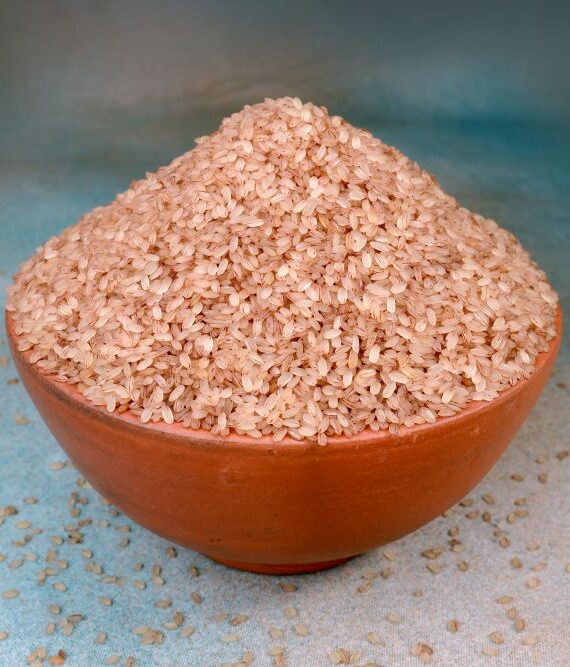
And in the middle of this, for generations, farmers have grown a red-hued rice that’s unique to this region. Not red like tomatoes or chillies. More like earthy. Brick. Rusty in a noble sort of way. The colour comes from the bran. The nutrition too.

Palakkadan matta rice (some call it Kerala red rice or Kuthari) is indigenous to this region, and it’s been part of the culture long before polished white rice made its way into everyday cooking.

It’s thick, chewy, slightly nutty. Which might sound like a lot if you’re used to plain basmati. But trust me, it grows on you. And once it does, everything else feels a little empty.

The Tradition Behind the Taste

Here’s the thing: this rice takes time. And care. The traditional method involves parboiling or boiling the rice in the husk before milling. This not only makes the grain tougher (in a good way) but locks in more nutrition.

That’s why it’s sometimes called “double boiled” or “single boiled,” depending on the method used. Rabbit Mark Modern Rice Mill, for example, produces both. And yes, that makes a difference. Slight, maybe. But real.

The beauty of this rice lies not in speed but in patience. It’s not meant for rushed cooking. It asks you to slow down. Which, frankly, we could all use a little more of.

More Than a Meal

Here’s what I’ve come to believe: food that survives generations has a reason. You don’t keep cooking the same thing for 100 years unless it gives you something more than full stomachs.

Palakkadan matta rice is deeply woven into Kerala’s culture. It’s there in the sadya or the traditional feast where banana leaves double as plates. It’s there in temple festivals, harvest celebrations, and even day-to-day meals when you just want something nourishing.

It’s also good for you. High in fiber. Low on the glycemic index (which your doctor would approve of). Rich in magnesium and B-vitamins. The bran layer that gives it that reddish hue is where a lot of the magic lives.

Rice Mills That Care
So where does Rabbit Mark Modern Rice Mill come in?

Let’s say you’re someone who loves traditional food but also values consistency and quality. You want your Palakkadan matta rice to taste just like your grandmother made,  but you also don’t want to worry about stones in the sack or weird smells from poor packaging.

That’s the gap Rabbit Mark has been filling since the 1980s.

They’re based in Pallavoor, right in the heart of Palakkad. Which, honestly, already gives them a head start. But it’s more than location. It’s the balance between tradition and technology that makes them stand out.

You’ve got old-school rice varieties being processed using modern infrastructure. Strict quality checks, skilled teams who know what they’re doing, and packaging that actually protects what’s inside. No musty sacks or split grains. Just good rice. And maybe that’s what makes it special. The old and the new holding hands.

Why It Still Matters

You might wonder, why all this matter in 2025? We have so many options. Quinoa. Jasmine. Even cauliflower pretending to be rice (don’t get me started).

But here’s the thing. With all these choices, we’re starting to crave what’s real again. What’s grounded. What tastes like home, even if we’ve moved far from it.

Palakkadan matta rice is that for so many.

It’s that connection to roots. That quiet pride in something your region gave to the world. That feeling of scooping hot rice with sambar and coconut thoran on the side and knowing that it is exactly what you crave for.  Sure, it’s heavier. Takes longer to cook. Maybe needs a little practice. But like most good things in life, it rewards the effort.

It’s Not Just a Trend

Look around and you’ll see more people reaching for it. In cities. In health-conscious kitchens. Among younger folks rediscovering their heritage through food.

Because it turns out, you don’t have to choose between traditional and healthy. Or tasty and local. With Palakkadan matta rice, you get all of it. Thick, nutty, nostalgic, and good for your gut.

It doesn’t scream for attention. But maybe that’s what makes it linger.

So yeah. That’s the story. Or at least a piece of it.

You can look up the science, trace the grains, argue over whether the single-boiled is better than the double. But when you sit down, spoon in hand, plate on your lap and what you’ll taste is history.

And if it’s from a place like Rabbit Modern Mark Mill, even better. Because good rice isn’t just about what you eat. It’s about how it makes you feel. And honestly, Palakkadan matta rice just feels right.


Read More

Why You Should Switch to Kerala Kuruva Rice for Your Family’s Health  

There’s a quiet joy in finding the right kind of rice. You know, the one that makes your sambar feel like a warm hug. The kind that holds its shape, doesn’t turn to mush, and leaves you feeling full — but not heavy.

I didn’t think much about rice until I moved away from home. Suddenly, the rice on my plate tasted… off. Maybe it was too polished. Too bland. Or just not the rice I grew up eating. And that’s when I started paying attention.

Why Kerala Kuruva Rice Deserves a Place on Your Family’s Plate

If you’re from Kerala — or you’ve spent time around someone who is — you probably know this already: rice isn’t just rice. It has character. It has personality. And Kerala Kuruva Rice? It’s kind of the quiet hero in many kitchens.

Not showy. Not trendy. Just reliable, nutritious, and deeply satisfying.

But wait — what is Kuruva rice?

Kuruva is a variety of rice grown and consumed mostly in Kerala, particularly in Palakkad and surrounding regions. It’s often single boiled (though sometimes double boiled, depending on tradition and preference), and it’s known for its slightly reddish hue, earthy aroma, and dense nutrition profile.

It’s not the type of rice that’s over-polished or stripped of its nutrients for the sake of appearance. Kuruva stays real.

And at Rabbit Mark Modern Rice Mill, this rice is treated with the kind of care that’s… almost maternal.

Decades of know-how meet modern machines here. The result? Rice that smells like home but meets today’s expectations — clean, consistent, and well-packed.

So, why should you even think about switching?

Because you’re probably eating rice already. Might as well make it count.

1. It’s actually good for you

This isn’t some marketing spin. Kerala Kuruva Rice is rich in fiber, especially when it’s single or double boiled. That means it keeps your digestion in check and gives you that feeling of fullness without the food coma. It also contains selenium which reduces the risks of diseases such as cancer, heart disease, and arthritis.

It’s not just about calories or carbs — it’s about how your body feels after. And if you’re cooking for kids, elderly parents, or anyone with a sensitive tummy, this stuff is gold.

White rice? It gets digested fast. You feel hungry sooner. Kuruva? It slows things down — in a good way.

2. It’s part of a tradition

There’s comfort in food that connects you to your roots. To a time when your grandmother used to soak and boil rice in giant pots. To the smell of steamed kuthari in the kitchen.

Kerala Kuruva Rice is woven into that fabric of everyday life. It’s not just nostalgia — it’s nourishment that has stood the test of time.

And honestly, isn’t there something kind of grounding about eating the same rice your ancestors probably did?

3. It cooks beautifully — once you get the hang of it

Look, I’m not saying it’s as quick as five-minute basmati. You do need to know how to handle it. Wash it well. Soak it a bit. Give it time.

But once you do? You get this fluffy, firm, satisfying bowl of rice that pairs perfectly with Kerala-style curries, coconut gravies, rasam — you name it.

And there’s something satisfying about that slight bite. Not undercooked, not mushy. Just… balanced.

4. It’s less processed, more real

A lot of rice out there has been stripped of its outer layers to look pristine on shelves. Shiny. Bright. Uniform.

But with that shine comes a price — usually, the nutrients.

Kerala Kuruva Rice is usually boiled in its husk, which helps lock in vitamins and minerals that would otherwise be lost. Especially if you get it from a place like Rabbit Mark, where they don’t cut corners.

Honestly? Your body knows the difference. You can feel it.

So where does Rabbit Mark come in?

There are plenty of places selling rice. But Rabbit Mark Modern Rice Mill has been doing this since 1980. That’s more than four decades of learning what works and what doesn’t.

They’ve managed to hold onto tradition — boiling, drying, milling the way it’s meant to be — while also upgrading the process to make sure the rice is clean, safely packed, and high in quality.

Their Kerala Kuruva Rice doesn’t just taste right — it feels right. You can smell the earthiness. You can taste the honesty.

And packaging? Solid. No weird smells or stale grains. You know what I mean — sometimes rice from the store has that faint plastic-y scent. Not this.

Maybe it’s time

I’m not saying you need to throw out the rice in your pantry tonight. But maybe next time you’re at the store — or scrolling through your grocery app — you pause and think, what kind of rice do I actually want to be eating?

If you care about health, about food that’s grown with care, about supporting traditional crops — then Kerala Kuruva Rice is worth a try.

Worst case? You learn how to cook a new kind of rice. Best case? You never go back to the old stuff.

Nourishment that is more than just feeding your stomach

I know not everyone romanticizes rice. For some people, it’s just a base for the curry. For others, it’s a texture game, or a matter of routine.

But when you choose rice that carries tradition, nutrition, and care in every grain… you’re feeding more than just your stomach.

You’re feeding something deeper.

And I think that matters.

Read More
palakkad rice

Palakkad Matta Rice versus White Rice: Which is Healthier?

Rice has become a staple food in many diets across the world, and selecting the right type can have a tremendous effect on your health. There are countless rice varieties available, but Palakkad Rice – also known as Kerala Matta or Rose Matta rice – is unique in its color, texture, and nutrients. So how does it stack up to white rice, one of the most commonly used rice? We’ll examine how they are different and, hopefully, come to a conclusion about which is healthier. 

Nutritional Comparison

Palakkad Rice is unique because it is famous for preserving its outer bran layer which gives it a reddish color and possesses an excellent nutrient profile. White rice, on the other hand, is extensively milled and polished so that the bran and germ layers are removed completely losing vital nutrients in the process.

Health Benefits of Palakkad Matta Rice

1. High in Fiber: 

Palakkad rice has a higher amount of fiber than white rice, which assists digestion, boosts regularity, and can provide a longer sense of fullness, assisting your body in maintaining a healthy metabolism.

2. Heart Health: 

With lower amounts of fat, saturated fat, and cholesterol than white rice, Matta rice is a heart-friendly choice, as it assists your body in preventing plaque from building in your arteries, which can lead to heart disease. Source: Keerthi Nirmal 

3. Blood Sugar Control: 

The higher content of fiber in Matta rice slows how quickly sugars are absorbed into your bloodstream, allowing for better blood sugar control for someone with diabetes. As a rule-of-thumb, the higher the fiber content, the better the source is for helping with blood sugar control.

4. Stronger Bones: 

Comparing its calcium content, Matta rice is higher than white rice, which means it may provide better bone health due to the higher amount of calcium. Source: Keerthi Nirmal

5. Antioxidants & Phytochemicals: 

Palakkad rice is a rich source of the benefits of antioxidants, such as anthocyanins, which help fight free radicals that can lead to chronic disease. Source: Netmeds  

6. Source of B Vitamins: 

Comparing Matta rice to white rice, Matta rice is an excellent source of vitamins A & B which are all essential for a healthy functioning immune system; eye health; and maintaining metabolism. Source: The Better India

Factors to Consider When Choosing Matta Rice vs. White Rice

While Matta rice definitely has health benefits, individual preference and dietary requirements should always be considered:

  •  Cooking time and texture:

Matta rice has a coarser texture and cooking time than white rice. Its flavor may be too earthy for some.

  • Availability: 

Depending on where you live, you might not have access to Matta rice, or it could be harder to find than white rice.

  • Dietary goals: 

If nutrient density and health benefits are your primary focus, then Matta rice is the better choice. 

For those looking for milder flavor and softer texture, white rice is likely the better choice.

In the case for Palakkad rice vs. white rice, Matta rice is the healthier choice that offers more nutrients, higher fiber content, and health benefits. Choosing Matta rice over white rice contributes to improved digestion, heart health, blood sugar regulation, and is good for bones.

If you’re ready to gain the health benefits associated with Palakkad rice, try obtaining it from Rabbitmill because they provide real and good quality Matta rice. Choose the better choice for a better you.
Disclaimer: Always consult with a doctor or registered dietician prior to making major dietary changes.

Read More
palakkad rice

The Challenges of Finding Authentic Kerala Kuruva Rice

kerala kuruva rice

Kerala, often referred to as “God’s Own Country,” is not just known for its breathtaking landscapes and rich culture but also for its thriving agricultural industry. Among the many varieties of rice produced in the state, Kerala Kuruva Rice stands out as a nutritious and flavorful gem. This indigenous rice variety, grown primarily in the fertile fields of Palakkad, is a staple in many Kerala households. In this blog, we’ll explore the significance of Kerala Kuruva Rice, its health benefits, and why Rabbit Mill is your trusted source for authentic, high-quality rice.


Problems in Finding Authentic Kerala Kuruva Rice

1. Adulteration and Mislabeling

The market is flooded with polished, nutrient-stripped rice falsely marketed as “premium.” Consumers often struggle to find unadulterated, nutrient-dense rice that retains its natural flavor.

2. Loss of Traditional Farming Practices

Modern agriculture prioritizes high-yield hybrid varieties over indigenous grains like Kerala Kuruva Rice. This shift has led to a decline in traditional farming methods and the availability of authentic rice.

3. Lack of Transparency

Many brands do not disclose their sourcing or farming practices, making it difficult for consumers to trust the quality of the rice they purchase.


Why Settling for Inferior Rice Harms You

1. Health Risks

  • Nutrient Loss: Refined rice lacks the fiber, vitamins, and minerals of unprocessed grains.
  • Toxic Exposure: Residues from chemical farming pose long-term health risks.

2. Environmental Impact

  • Soil Depletion: Chemical farming strips soil of essential nutrients.
  • Water Pollution: Pesticides contaminate groundwater, affecting ecosystems and communities.

3. Cultural Disconnect

Younger generations lose touch with Kerala’s culinary heritage as traditional rice varieties disappear.


Rediscovering Kerala Kuruva Rice Through Rabbit Mill

The answer lies in returning to Kerala’s roots: Kerala Kuruva Rice produced by ethical rice mills in Kerala like Rabbit Mill. Here’s how Rabbit Mill ensures you get the best:

1. Preservation of Traditional Varieties

  • Heritage Grains: Focus on indigenous strains like Kerala Kuruva Rice, known for their nutrition and flavor.
  • Organic Farming: Chemical-free cultivation protects soil, water, and consumer health.

2. Ethical Rice Milling Practices

  • Minimal Processing: Retain the bran and germ to preserve nutrients.
  • Zero Artificial Polishing: Avoid harmful additives that strip rice of its natural goodness.

3. Empowering Farmers

  • Fair Pricing: Direct partnerships ensure farmers earn sustainable incomes.
  • Training Programs: Educate farmers on organic techniques and sustainable practices.

Why Kerala Kuruva Rice is a Dream Come True for Health-Conscious Consumers

When you choose authentic Kerala Kuruva Rice, you get:

1. Nutritional Superiority

  • High Fiber: Aids digestion and promotes gut health.
  • Rich in Antioxidants: Boosts immunity and fights inflammation.
  • Low Glycemic Index: Regulates blood sugar levels, ideal for diabetics.

2. Environmental Sustainability

  • Eco-Friendly Farming: Protects Kerala’s ecosystems for future generations.
  • Waste Reduction: Rice husks repurposed as biofuel or organic mulch.

3. Cultural Preservation

  • Culinary Heritage: Perfect for traditional dishes like sadhya (festive feast) and kanji (rice porridge).
  • Farmer Communities: Supports rural livelihoods and preserves agrarian traditions.

Rabbit Mill: Kerala’s Premier Rice Mill for Authentic Kerala Kuruva Rice

When it comes to quality and ethics, Rabbit Mill stands out as a beacon in Kerala’s rice industry. Here’s why:

1. Uncompromising Quality Standards

  • Advanced Milling Technology: Ensures hygiene and nutrient retention.
  • Rigorous Testing: Every batch is lab-tested for purity, moisture, and nutritional content.

2. Farmer-Centric Approach

  • Direct Sourcing: Partners with local farmers to eliminate middlemen.
  • Fair Trade Practices: Ensures farmers receive 30% higher profits than market rates.

3. Sustainable Operations

  • Solar-Powered Mills: Reduces carbon footprint.
  • Water Conservation: Rainwater harvesting and drip irrigation systems.

4. Premium Product Range

  • Kerala Kuruva Rice: Nutrient-dense, ideal for daily meals.
  • Red Rice: Antioxidant-rich, perfect for health-conscious diets.
  • Ponni Rice: Aromatic and versatile for biryanis and pulao.

How to Buy Authentic Kerala Kuruva Rice

Ready to experience the best of Kerala’s rice heritage? Follow these steps:

  1. Visit Rabbit Mill: Explore their range of traditional rice varieties.
  2. Choose Your Rice: Select from Kuruva Rice, Red Rice, or Ponni Rice.
  3. Place Your Order: Opt for doorstep delivery or bulk purchases.
  4. Contact Directly: Call +91 94470 94911 for personalized assistance.

FAQs About Kerala Kuruva Rice

1. What is Kerala Kuruva Rice?

Kerala Kuruva Rice is an indigenous rice variety grown in Palakkad, known for its high nutritional value and unique flavor. It’s rich in fiber, antioxidants, and essential minerals.

2. Why is Kerala Kuruva Rice healthier than regular rice?

Kerala Kuruva Rice is healthier because unlike polished rice, it retains its bran and germ, making it rich in fiber, vitamins, and antioxidants. It also has a low glycemic index, making it ideal for diabetics.

3. Where can I buy authentic Kerala Kuruva Rice?

You can buy authentic Kerala Kuruva Rice from Rabbit Mill, a trusted rice mill in Kerala. Visit their website at Rabbit Mill or call +91 94470 94911.

4. How is Rabbit Mill different from other rice mills?

Rabbit Mill is different from other rice mills because it focuses on ethical sourcing, sustainable farming, and advanced milling techniques to deliver high-quality, nutrient-rich rice. They also empower local farmers through fair trade practices.

5. Can Kerala Kuruva Rice be used for daily meals?

Yes, Kerala Kuruva Rice can be used for daily meals, traditional dishes, and even festive feasts.


Final Thoughts: Embrace the Legacy of Kerala Kuruva Rice

Kerala Kuruva Rice is more than a staple—it’s a testament to Kerala’s agrarian pride, health, and sustainability. By choosing Rabbit Mill, you invest in:

  • Your Well-being: Chemical-free, nutrient-rich rice.
  • Farmer Welfare: Ethical practices that uplift rural communities.
  • Planet Health: Eco-friendly farming and milling processes.

Take Action Today!
Visit Rabbit Mill to order your batch of authentic Kerala Kuruva Rice. For inquiries, call +91 94470 94911.

Read More