
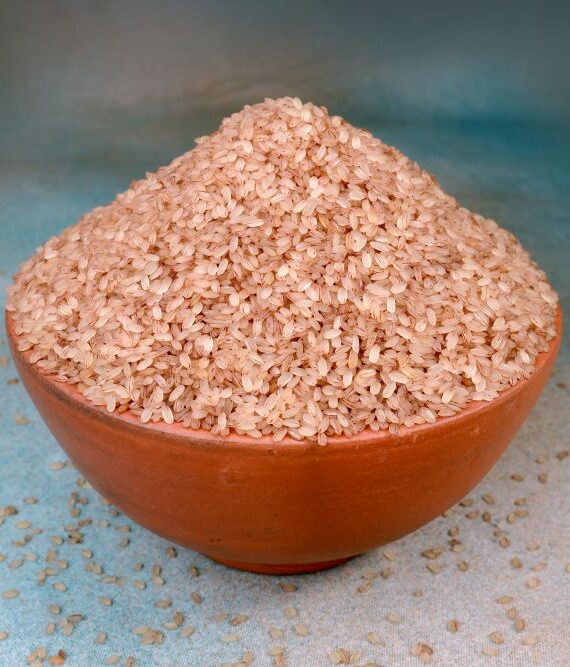
You know that soft, nutty aroma that floats from a pot of matta rice as it cooks? That slightly earthy smell that instantly tells you dinner’s going to be good? Yeah, that one. Ever wondered where it really begins?
Let me take you into a regular day at a not-so-regular place: a rice mill in Kerala nestled in Pallavoor, Palakkad. Been around since the 1980s. Not flashy, not loud. Just quietly processing rice the right way.
And by “right way,” I mean the kind that respects tradition but also nods to technology. That’s the soul of this rice mill in Kerala. It doesn’t shout about it. It just does the work. Every single day.
A Day in the Life of a Kerala Rice Mill: Inside Rabbit Mark’s Timeless Craft
6:00 AM – The Mill Wakes Up
Not with an alarm. With people. You hear the first shutters rolling up, maybe the click of a kettle boiling in the staff room, the occasional rooster somewhere in the background. (Cliché, but real.)
The air’s still cool, and there’s this rhythm to the silence, because it won’t stay that way for long. Soon, the machines will hum. Rice sacks will be shuffled around. Forklifts will crawl in and out. But for now, it’s all stretch-and-get-ready mode.
There’s a tiny ritual here. The oldest staff member usually walks in with folded hands, just for a second. Maybe it’s respect. Or maybe it’s just habit. Hard to tell. But you feel it.
7:30 AM – First Grains of the Day
The raw rice arrives in thick, dusty burlap sacks, mostly sourced from nearby paddy fields. Some from as far as Tamil Nadu. Everything is inspected. Not once. Not twice. At least three pairs of eyes go over it.
Why? Because rice isn’t just rice. Especially in Kerala. Especially not at this rice mill in Kerala. Matta rice is sensitive. You mess with moisture levels or skip a small check, and the taste goes sideways. People notice. Mothers will notice. And you really don’t want that kind of customer feedback.
9:00 AM – Machinery in Motion
This is when things start to get loud. But not in a bad way. The mill’s filled with modern equipment – state-of-the-art stuff that ensures each grain is treated properly. But it’s not cold, sterile automation. It’s more like… machines working in sync with people who know rice like they know their own breath.
There’s sorting. De-husking. Boiling. Drying. Polishing—yes, but not too much. You don’t want to strip the rice of its soul. Especially not matta. You want it a little raw. A little stubborn. The thing is, there’s a fine line between “processed” and “overdone.” That line? This mill walks it every single day.
12:30 PM – Lunch Break (and it smells amazing)
You can’t work with rice and not crave it. It’s just how it is. The staff usually bring homemade meals. A quick bite under a tree outside. And guess what’s always in the tiffin? Rice, of course. Matta, usually.
There’s a quiet kind of pride here. Like, “We mill it. We eat it. We trust it.”
It’s not about marketing copy or nutrition labels. It’s about knowing where your food comes from and being okay with feeding it to your own child. That’s the standard.
2:00 PM – Quality Check Time
This is serious business. Samples from every batch are tested for texture, moisture content, polish level, and fragrance. Even the tiniest off note gets flagged. There’s no shame in redoing something if it’s not up to the mark. Happens more often than you’d think.
The team doesn’t cut corners. Not because someone’s watching. But because they genuinely care. This rice mill in Kerala is run by people who’ve grown up eating this rice. Who’ve seen their parents eat it. And maybe their parents before them. Cutting corners? That’s just not an option.
4:00 PM – Packing Like It Matters
Packaging isn’t an afterthought here. It’s hygiene. It’s protection. It’s the final hug before the rice goes out into the world.
Every packet, whether it’s 5kg or 25kg, is sealed with care. Not the mechanical kind. The human kind. Someone double-checks the seal, the label, the smell. (Yes, sometimes they sniff-test the bags. Because machines miss things. Noses don’t.)
If you’ve ever picked up a bag from this rice mill in Kerala at a store, know that it’s probably passed through five different hands who each cared a little more than they had to. And that matters.
5:30 PM – The Day Winds Down
By now, the machines start quieting. Not all at once. One section finishes early. Another takes longer. Some last-minute loads head out for delivery. A lorry revs in the distance. A couple of bags get shifted for the next morning.
There’s this smell in the air—warm, toasted, faintly earthy. It lingers long after the machines shut down. It’s the smell of matta rice, boiled and dried just right.
Someone sweeps the floor. Another person wipes down a console. Nobody’s in a rush. It’s the kind of place where you close the day the same way you opened it: with quiet hands and a little respect.
So, What’s the Big Deal About This Rice Mill in Kerala?
Well, I guess it’s not just the rice.
It’s that Rabbit Mark Modern Rice Mill doesn’t treat rice like a commodity. They treat it like memory, like medicine, like culture.
They’ve taken something age-old, something that holds stories and flavours and generations, and figured out how to make it better without making it artificial.
That’s not easy. Most mills either cling to tradition or go all-in on tech. Rabbit Mark found a balance. It’s rare. And honestly, kind of beautiful.