
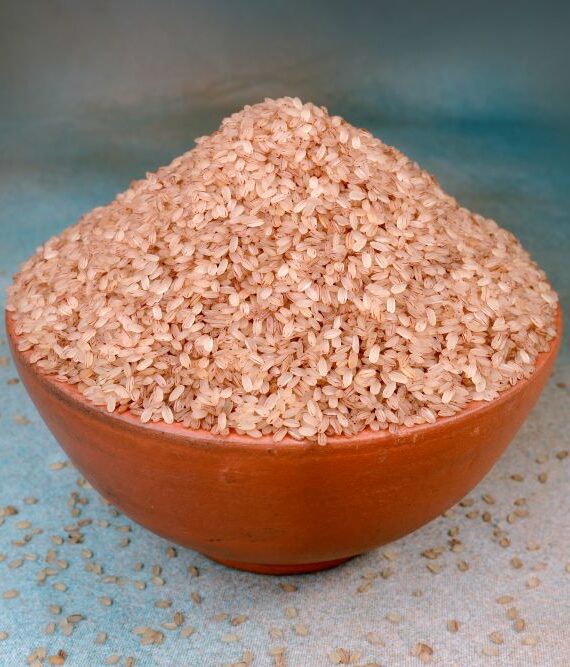
There’s something about certain foods that go beyond taste. They hold memories. Emotion. Legacy. Palakkadan matta rice is one of those.
It’s not just rice. It’s Sunday lunches that last forever. It’s weddings that begin with the aroma of ghee and coconut, and end with someone finally admitting they had too much sambar. It’s your grandmother scolding you for not eating enough. And then piling more on your plate.
But where did it all begin?
I think to understand Palakkadan matta rice, you have to step back. Way back. To the paddy fields of Kerala. Palakkad, specifically.
A Rice That’s Rooted in Soil (and Soul)
Palakkad isn’t a place that shouts. It whispers. Soft winds across vast paddy fields. Hills that lean into the sky but don’t make a fuss about it. It’s quiet, except for the sounds of nature doing what it’s always done.
And in the middle of this, for generations, farmers have grown a red-hued rice that’s unique to this region. Not red like tomatoes or chillies. More like earthy. Brick. Rusty in a noble sort of way. The colour comes from the bran. The nutrition too.
Palakkadan matta rice (some call it Kerala red rice or Kuthari) is indigenous to this region, and it’s been part of the culture long before polished white rice made its way into everyday cooking.
It’s thick, chewy, slightly nutty. Which might sound like a lot if you’re used to plain basmati. But trust me, it grows on you. And once it does, everything else feels a little empty.
The Tradition Behind the Taste
Here’s the thing: this rice takes time. And care. The traditional method involves parboiling or boiling the rice in the husk before milling. This not only makes the grain tougher (in a good way) but locks in more nutrition.
That’s why it’s sometimes called “double boiled” or “single boiled,” depending on the method used. Rabbit Mark Modern Rice Mill, for example, produces both. And yes, that makes a difference. Slight, maybe. But real.
The beauty of this rice lies not in speed but in patience. It’s not meant for rushed cooking. It asks you to slow down. Which, frankly, we could all use a little more of.
More Than a Meal
Here’s what I’ve come to believe: food that survives generations has a reason. You don’t keep cooking the same thing for 100 years unless it gives you something more than full stomachs.
Palakkadan matta rice is deeply woven into Kerala’s culture. It’s there in the sadya or the traditional feast where banana leaves double as plates. It’s there in temple festivals, harvest celebrations, and even day-to-day meals when you just want something nourishing.
It’s also good for you. High in fiber. Low on the glycemic index (which your doctor would approve of). Rich in magnesium and B-vitamins. The bran layer that gives it that reddish hue is where a lot of the magic lives.
Rice Mills That Care
So where does Rabbit Mark Modern Rice Mill come in?
Let’s say you’re someone who loves traditional food but also values consistency and quality. You want your Palakkadan matta rice to taste just like your grandmother made, but you also don’t want to worry about stones in the sack or weird smells from poor packaging.
That’s the gap Rabbit Mark has been filling since the 1980s.
They’re based in Pallavoor, right in the heart of Palakkad. Which, honestly, already gives them a head start. But it’s more than location. It’s the balance between tradition and technology that makes them stand out.
You’ve got old-school rice varieties being processed using modern infrastructure. Strict quality checks, skilled teams who know what they’re doing, and packaging that actually protects what’s inside. No musty sacks or split grains. Just good rice. And maybe that’s what makes it special. The old and the new holding hands.
Why It Still Matters
You might wonder, why all this matter in 2025? We have so many options. Quinoa. Jasmine. Even cauliflower pretending to be rice (don’t get me started).
But here’s the thing. With all these choices, we’re starting to crave what’s real again. What’s grounded. What tastes like home, even if we’ve moved far from it.
Palakkadan matta rice is that for so many.
It’s that connection to roots. That quiet pride in something your region gave to the world. That feeling of scooping hot rice with sambar and coconut thoran on the side and knowing that it is exactly what you crave for. Sure, it’s heavier. Takes longer to cook. Maybe needs a little practice. But like most good things in life, it rewards the effort.
It’s Not Just a Trend
Look around and you’ll see more people reaching for it. In cities. In health-conscious kitchens. Among younger folks rediscovering their heritage through food.
Because it turns out, you don’t have to choose between traditional and healthy. Or tasty and local. With Palakkadan matta rice, you get all of it. Thick, nutty, nostalgic, and good for your gut.
It doesn’t scream for attention. But maybe that’s what makes it linger.
So yeah. That’s the story. Or at least a piece of it.
You can look up the science, trace the grains, argue over whether the single-boiled is better than the double. But when you sit down, spoon in hand, plate on your lap and what you’ll taste is history.
And if it’s from a place like Rabbit Modern Mark Mill, even better. Because good rice isn’t just about what you eat. It’s about how it makes you feel. And honestly, Palakkadan matta rice just feels right.