From Farm to Plate: How Kuruva Rice Supports Local & Ethical Food Systems
Learn how Kuruva rice supports local farmers, ethical food choices, and sustainable food systems. Choosing this rice helps in building a fair farm-to-plate supply chain.
Eating ethically doesn’t always have to be expensive and complicated. Sometimes, it starts with a simple choice of choosing the food we choose to buy. Kuruva rice is an example of such a choice. It’s a traditional variety of rice grown in parts of Southern India, especially Kerala. The rice is often grown in small farms that still follow seasonal and local farming practices. By choosing this rice, you are choosing a food cycle that respects the tradition and values of small farmers. You are supporting an ethical and sustainable food system that values people and culture.
What Is Kuruva Rice?
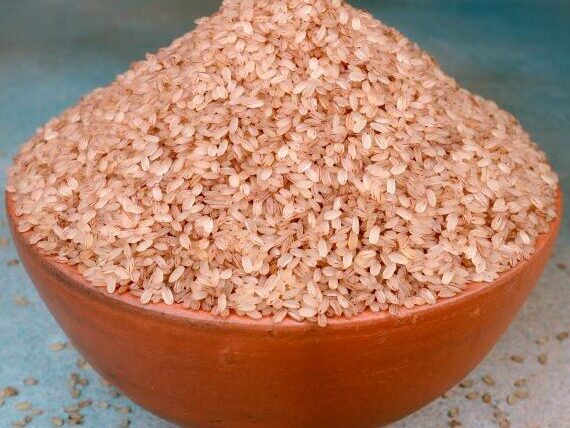
Kuruva rice is a native rice variety that is known for its aroma, firm texture, and consistent taste. Many families choose this rice for everyday meals because it pairs well with a variety of curries, lentils, and vegetables.
Unlike heavily processed rice that travels through polishing processes and long distances, this rice is often grown and sold through natural and shorter processes within regional networks. You can easily trace the journey of rice from farm to your house and trust the source for better alignment with ethical farming values.
A Traditional Grain With Local Roots
Kuruva rice is grown with traditional and local farming practices, which include seed saving, seasonal sowing, and cultivation methods known to the region. Local varieties of this rice are often grown with a deeper understanding of soil, rainfall, and local ecosystem conditions.
Why “Farm to Plate” Matters Today
When rice moves through large aggregators, processors, storage systems, and global shipping, two things can happen:
- Farmers often get paid less, even if consumers pay more.
- Consumers lose visibility into how the food was grown and handled.
The ideology of farm-to-plate reduces this gap. It focuses on transparency, fairness, and local value creation.
Shorter Supply Chains Improve Trust
Kurua rice is sold through local farmers, local mills, and regional traders. Shorter chains can make it easier to know where the rice came from and how it was processed. It can also help in knowing the freshness of the rice as well.
How Kuruva Rice Supports Local Food Systems
Beyond geography, local food systems are also about ownership, who benefits from the food production and who controls it. This traditionally grown rice helps the local food systems in many ways.
- It Helps Small and Marginal Farmers Stay Sustainable
Small farmers struggle with rising costs, unstable market prices and pressure to shift away from traditional varieties of crops. When consumers prefer traditional food like rice, farmers get a stronger reason to keep cultivating it.
This supports:
- farm-based livelihoods
- local employment (planting, harvesting, milling)
- community knowledge around seeds and cultivation
- It Keeps Value Within the Region
When rice is sourced, milled, and sold locally, more money stays within the local economy. This can lead to an improvement in rural resilience over time, especially in the regions where farming income is seasonal.
The Ethical Side of Choosing Kuruva Rice
Ethical food systems are built on the ideas of fairness, transparency, and respect for nature. Kuruv rice aligns well with the mentioned principles.
- Fairer Earnings for Farmers
Many ethical food brands and farmer collectives aim to reduce the gap between farm-gate price and retail price. When the chain of growing crops and selling them is shorter and more direct, farmers receive a better share of the final value.
To support this, look for sellers who:
- Share sourcing details clearly
- mention farmer groups or growing regions
- Avoid vague labels with no traceability
- Better Transparency for Consumers
When the product labels are unclear, ethical buying becomes difficult. With Kuruva rice, many local suppliers can provide information like:
- district or village sourcing
- milling method
- harvest season or batch
- storage and packing date
This is a practical form of transparency that helps you make informed choices.
Lower Food Miles, Lower Impact
Food miles refer to the distance food travels before it reaches your plate. Food miles are a sustainability factor and are important for the staples consumed daily.
- Choosing Local Rice Reduces Transport Burden
When you buy a rice variety grown closer to or within the region you live in, you reduce:
- long-haul shipping needs
- fuel consumption across supply stages
- storage time in large warehouses
When purchased through regional channels, rice can be a lower-impact choice in comparison to highly globalised staple supply chains.
Kuruva Rice and Traditional Processing Practices
Beyond farming, ethical food systems are about processing as well. The process involved in handling rice can impact nutrition, taste, and waste management.
Large industrial processing involves heavy polishing and long storage cycles. Traditional milling often focuses on preserving the natural characteristics of the grain.
In many cases, this can mean:
- better texture and aroma
- fewer processing steps
- less breakage and wastage
How to Buy Kuruva Rice More Ethically
If you wish to support local and ethical food systems, your buying habits matter too. Not all products sold under the tag of traditional are ethically sourced. Here are some tips for buying traditionally grown rice:
- Check for Clear Sourcing Information
Prefer sellers who mention the region where the rice was grown, which is Kerala or other places in Southern India, batch details, and packing date. You can also check whether the rice was freshly milled or sourced ethically from the farmers.
- Choose Sellers With Direct or Responsible Procurement
Some good signs include:
- farmer producer organizations (FPOs)
- cooperatives
- ethical local brands that explain their sourcing
- Avoid Overly Vague Marketing
Avoid buying Kuruva rice, which only says “premium’ or “organic” but does not provide any meaningful information on how it was sourced and processed. Ethical food is not only about claims—it is about proof.
Simple Ways to Add Kuruva Rice to Your Meals
This traditionally grown rice fits easily into regular Indian cooking. You do not need special recipes.
Everyday Meal Pairings
- Kuruva rice with sambar and thoran
- with rasam and stir-fried vegetables
- with curd and pickle
- with dal, ghee, and a simple sabzi
One Staple, Many Positive Effects
Kuruva rice is more than a traditional grain. It represents a different kind of food system—one that respects local farming, supports livelihoods, and keeps supply chains more transparent.
When you choose this rice from a responsible source, you support:
- small farmers and rural communities
- local processing and regional supply chains
- more traceable and ethical food choices
- a lower-impact, less wasteful way of eating
Ethical food does not need to be perfect. It needs to be intentional. And sometimes, it starts with the rice on your plate.
Get traditional and ethically sourced Kuruva rice, straight from the farm to your plate. Talk to us now.