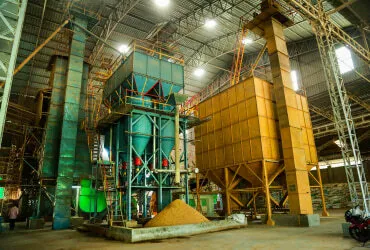
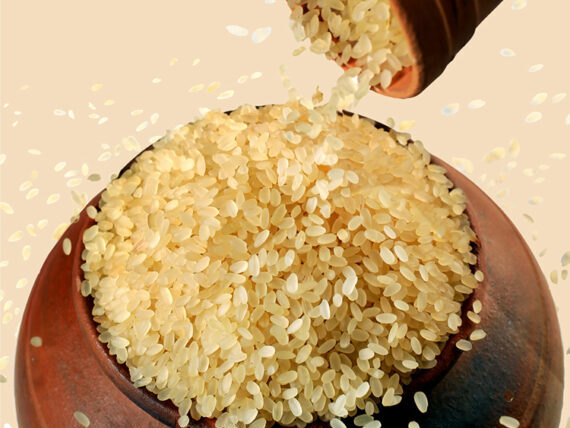
kerala kuruva rice

Kerala Kuruva Rice: Why This Traditional Grain Is the Pride of Kerala’s Paddy Fields

There’s rice. Then there’s Kerala Kuruva rice—a grain that floats between memory and harvest, between fields that flood and skies that hesitate to rain. Say the name in Kerala and watch an old farmer’s eyes gleam, because this isn’t just grain, it’s inheritance. What makes it so? There’s texture, sure. Aroma, definitely. But above all, there’s a sense of place baked into every grain—fields from Wayanad to Palakkad where farmers still wake up to the sound of paddy whispering through waterlogged soil.

Now, let’s just say if you’re a wholesaler, a restaurant supplier, or someone whose customers can taste the difference between “just rice” and “oh, where did you get this rice?”, you might want to pay attention. Kerala Kuruva rice is your quiet showstopper.

Kerala Kuruva Rice: The Grain with Mud on Its Feet and Stories in Its Husk

You can trace Kerala’s devotion to rice by the seasons. Red Matta from Palakkad hogs the spotlight for its boldness, but Kerala Kuruva rice? It’s the quiet counterpart—subtle, airy, unassuming until it lands on the plate.

Imagine water sluicing through channels fed by the Bharathapuzha river, saturating fields until the soil turns thick and eager. That’s where Kuruva rice germinates—on patience and water. Double cropping, seasonal rhythms, organic fertilisers, even the timing of the transplant—every step feels less like agriculture and more like choreography.

Why does this matter? Because this grain arrives on your table light, fluffy, and without the post-lunch slump. Diabetic-friendly, easy on digestion, and softer than most others. Your customers will notice. Your chefs won’t stop asking where you’re sourcing from.

Consistency Isn’t a Feature. It’s the Point.

Sure, you can import rice by the tonne from faceless suppliers. But good luck predicting texture or starch levels. Some shipments crumble like sandpaper. Others? Mushy, like someone soaked them for too long. The mills in Kerala, think Rabbit Mark Modern Rice Mill for example, aren’t just machines whirring through husks. They’re checkpoints. Every batch of Kuruva is inspected, weighed, cleaned, and run through eyes—both human and mechanical. Quality control isn’t a department, it’s the pulse.

Then there’s the packaging. Ever opened a rice bag that looks like it just survived a dust storm? Not here. Vacuum-sealed, tamper-proof, and packed like a product that knows it’s destined for discerning kitchens—not just the back shelves of a warehouse.

Why Sourcing Kerala Kuruva Rice is a Move That Pays in More Ways Than One

Let’s talk geography, carbon, and margins. Most of India’s rice supply criss-crosses highways and railroads before it even hits a shelf. But Kerala Kuruva rice sourced from within Kerala? That’s fewer transit miles, fresher stock, and savings that don’t just vanish into fuel costs.

And there’s the quiet activism baked into this choice. You’re helping sustain traditional farming that refuses to trade soil health for synthetic yield spikes. This isn’t chemical warfare disguised as agriculture. It’s soil cycles, green manure, controlled irrigation, and organic resilience playing a long game.

It’s a grain grown on ethics and rain, and that sells itself in an age where ‘sustainable’ is more than a marketing buzzword—it’s a buying trigger.

Supply Chains That Don’t Feel Like a Game of Chase

You’re not just buying rice. You’re buying peace of mind. Mills like Rabbit Mark offer not just the grain, but the predictability of punctual delivery, clear invoicing, and zero surprises. When your customers are lined up, waiting for their orders, you can’t afford flaky supply chains.

Competitive bulk pricing? Naturally. But here’s the real clincher—consistent quality that makes repeat orders a given, not a gamble. Because these mills own the journey from field to fork, price fluctuations and quality dips are someone else’s problem—not yours.

Some Things About Kerala Kuruva Rice You’ll Want to Tell Your Buyers

  • Lower glycemic index: whisper it to your health-conscious clientele and watch them smile.
  • Hygienic processing: no compromise, no dust, no half-measures.
  • Diabetic-friendly: it’s not a claim, it’s a feature.
  • Traditional farming roots: every grain is a nod to heritage farming.

Let’s Make This Official

Tired of inconsistent grain quality and suppliers who vanish after the invoice? Connect with Rabbit Mark Modern Rice Mill. Let’s get Kerala Kuruva rice flowing through your supply chain, packaged for impact and primed for repeat orders.

 Explore more at RabbitMill.in

Final Grain of Thought

You can buy ordinary rice anywhere. But if you want rice that carries the scent of Kerala’s monsoons, the texture of heritage, and the soft bite of craftsmanship—then Kerala Kuruva rice is where your search ends.

Rabbit Mill isn’t just selling rice. They’re sending a piece of Kerala in every sack. Maybe it’s time your business made space for that.
Read More
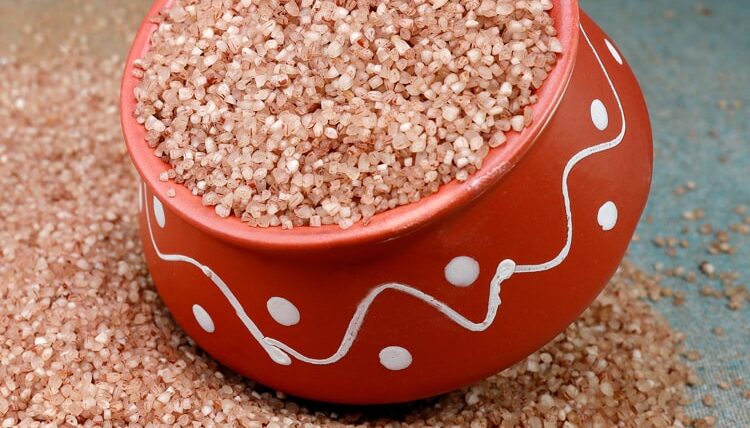
palakkad rice

Palakkad Rice: Sustainable Farming Practices Behind Kerala’s Favourite Rice

You can taste the difference. That’s the first thing that hits you when a spoonful of Palakkad rice meets your palate. That earthy, nutty tone, rich yet oddly clean. But here’s the part most people skip: behind that grain is a rhythm of soil, water, air, hands, and an entire stretch of land called Palakkad. A geography, a history, a seasonal ritual. What you’re eating isn’t just rice—it’s a living archive of Kerala’s farming consciousness.

And if that feels a bit philosophical for a carb, well, that’s because Palakkad rice doesn’t grow on autopilot.

Why Palakkad Rice Feels Different — And Is

Palakkad, Kerala’s rice bowl, isn’t a title someone stitched onto a tourism banner. It’s earned. This patch of land breathes agriculture. Think Palakkad Gap—those natural wind corridors between the Western Ghats that push in just enough breeze to keep fields tempered. Think Bharathapuzha River flooding the soils. Think black cotton soil, heavy, nutrient-holding, dense yet breathing. That’s your context.

So, when you crack open a bag of Palakkad rice, what you’re really opening is a grain that has literally weathered monsoons, clay, river sediment, and generations of farmer instincts.

The Eco-Conscious Methods That Keep This Grain Honest

There’s farming. Then there’s what Palakkad’s farmers do. They treat the land like a breathing entity, not a production unit. Fertilizers? Natural. Think cow dung, compost piles fermenting in the monsoon humidity, green manure turning the soil alive. Every handful of soil is like a probiotic cocktail for the earth itself.

Water isn’t just thrown around. There’s a method. Irrigation flows in cycles—flood, dry, flood again. This rhythm isn’t random—it suffocates weeds, discourages pests, and preserves the soil’s grain-friendly texture.

And seeds? Families keep them like family heirlooms. Indigenous varieties, passed hand to hand, ensuring the next sowing season doesn’t start with something generic.

Ever tasted nostalgia? That’s the aftertaste of this rice.

Supporting Palakkad Rice Means You’re Doing More Than Just Buying Grains

Sure, you could grab whatever rice is cheapest on the shelf. But then you’d miss this: choosing Palakkad rice is voting for an ecosystem.

You’re slicing miles off the carbon footprint. You’re keeping micro-ecosystems—frogs, dragonflies, soil microbes—in balance. And you’re betting on biodiversity, because Palakkad farmers still grow strains that don’t exist in monoculture factories.

Plus, climate change isn’t just a news ticker here—it’s real, it’s sweaty, it floods fields. Yet, Palakkad’s old-school techniques, mixed with the System of Rice Intensification (SRI), have turned these farmers into weather warriors. More spacing, less water, stronger yields. It’s rice fighting back.

Not Just a Grain—A Stubborn Resilience

Picture this: a flood takes out a season, the sun scorches the next. Yet, Palakkad’s rice farmers? They bounce back. There’s a wordless wisdom in their resilience, baked into the farming strategies that have survived for centuries.

Research even backs this up. Palakkad’s rice farming communities score high on resilience indices—because here, farming isn’t an occupation, it’s bone memory.

Supply chain reliability? It starts right here, in those paddy fields. If consistency had a postcode, it’d read: Palakkad.

Some Bonus Reasons to Stack Palakkad Rice in Your Pantry

  • Single-boiled. Double-boiled. Pick your texture.
  • Grown with methods that won’t turn the planet into a gas chamber.
  • Supports Kerala’s small farms. Keeps native strains alive instead of falling into extinction.

Thinking of Stocking Up? Here’s Your Source.

If you’re eyeing bulk supply—whether you’re a restaurant sourcing for authenticity, a distributor hunting consistency, or a retailer who knows their audience—this is your nudge.

Don’t settle. Partner with Rabbit Mark Modern Rice Mill. Deep in Kerala, Rabbit Mark Modern Rice Mill does more than process rice—they champion it. From sourcing straight from trusted farmers to ensuring every grain is cleaned, packed, and delivered without excuses, this is where tradition meets reliability.

Want samples? Bulk rates? Or just want to have a conversation with people who don’t treat rice like a faceless commodity?

Don’t just buy rice—know where it’s been.

Final Scoop

You could keep buying rice from wherever. Or you could source Palakkad rice—rice that holds stories, soil, and sustainability in every bite.

And if you’re serious about making that switch, Rabbit Mark Modern Rice Mill is ready when you are.

Read More
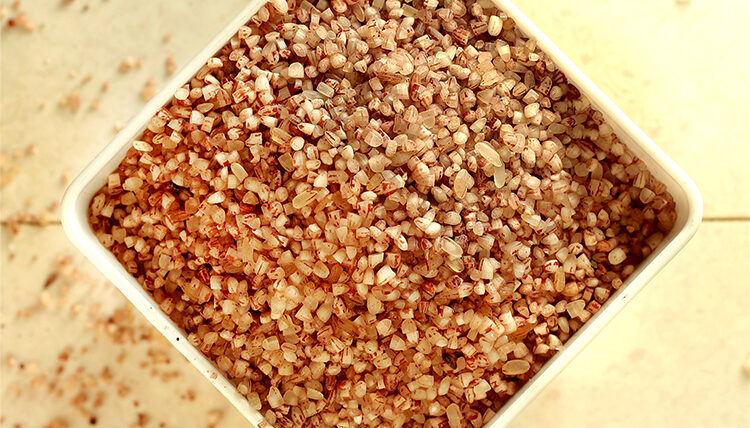
matta broken rice

Matta Broken Rice: Exploring Its Unique Taste and Cultural Significance

Matta broken rice is one of those humble ingredients that doesn’t shout for attention, but once you’ve tried it, it lingers in memory. With its rich, nutty flavor and signature reddish hue, this rice has found its way into kitchens not just across Kerala, but into the hearts of people who care deeply about where their food comes from.

And here’s the thing: even broken, this rice holds a story. A story of tradition, of nutrition, of heritage.

(Quick note: If you’re already looking for a reliable Palakkad rice supplier or want to order some authentic matta broken rice, Rabbit Modern Rice Mill might be just what you’re after. Here’s their site if you’d like to take a peek.)

What Is Matta Broken Rice, Exactly?

Let’s get this out of the way: “broken” doesn’t mean “bad.”

Matta broken rice is simply the smaller grains that result when Matta rice (also called Rosematta or Kerala Red Rice) is milled. It’s the same good stuff, just not in full grain form. Think of it like imperfect tomatoes: still delicious, still nutritious.

This rice is unpolished, meaning the outer bran layer is retained. That’s where the flavor and nutrients live. If you’ve only ever eaten white rice, the first bite of matta rice might surprise you. It’s earthy. Dense. A little chewy.

And honestly? Kind of addictive.

Why Kerala Loves It (and Why You Might, Too)

Ask any grandmother from Palakkad why she uses matta broken rice, and she’ll probably roll her eyes. Because “of course.” It’s just how things are done. But dig a little deeper, and the reasons come through loud and clear.

A Rice with Roots

Kerala has grown Matta rice for centuries. It thrives in the heavy soils of Palakkad, watered by monsoons and steeped in tradition. For many families, it’s not just rice, it’s memory. Everyday lunches. Festivals. Payasam. Kanji. It’s heritage on a plate.

It’s Good for You, Too

This rice isn’t just about nostalgia, it packs a punch. Because it’s unpolished and retains the husk, it’s richer in iron, fiber, and other nutrients than your usual bowl of polished white rice. That reddish tint? That’s nature’s way of showing off the iron content.

There’s something reassuring about eating food that hasn’t been stripped of its goodness. You can taste the difference and maybe feel it, too.

Versatile and Friendly on the Pocket

Here’s the underrated part: matta broken rice cooks faster than full-grain Matta. Which makes it perfect for quick weekday meals or porridge-style dishes like kanji. And yes, it’s usually more affordable, which means you’re getting all the benefits of traditional Kerala rice without paying a premium.

Not bad for the so-called “broken” bits, huh?

Rabbit Modern Rice Mill: Where Quality Meets Legacy

Let’s talk about where you’re getting this rice from.

Rabbit Modern Rice Mill isn’t just another supplier. They’re rooted in Palakkad, one of the heartlands of Kerala’s rice-growing culture. They know their rice, because they source it, clean it, pack it, and treat it with respect. That matters.

And it’s not just about selling rice. It’s about making sure people get the real stuff, with all its taste and nutrition intact.

Want to try it for yourself? Rabbit Mill is just a click away: rabbitmill.in

(Psst—if you’re someone who appreciates heritage food and the richness of Indian grains, you’ll love what they offer.)

Cooking with Matta Broken Rice: Simple, Honest Meals

Alright, you’ve got your matta rice. Now what?

You don’t need a fancy recipe. In fact, the best meals are the simple ones.

– Soft-cooked kanji with coconut chammanthi (chutney) on the side
– A pile of rice next to spicy fish curry
– Lightly mashed with ghee, salt, and a dash of pickle

It’s not showy food. But it’s the kind that feels right. The kind that fills you up and doesn’t leave you feeling heavy.

And if you’re a little more experimental, matta broken rice also works well in risottos, stews, or grain bowls. (I know, sounds odd. But it works.)

Why Heritage Grains Matter More Than Ever

Let’s zoom out for a second.

In a world rushing toward fast food and faster lives, holding on to traditional ingredients like matta broken rice feels… grounding. These grains have been around for centuries. They’re part of ecosystems, communities, identities.

And honestly, they’re delicious. So why are we overlooking them?

You don’t have to give up your basmati or sona masoori rice. But adding traditional Kerala rice to your pantry? That’s a small step toward eating more consciously. Supporting local growers. Nourishing your body a little better.

Even if it’s “just” broken rice.

Ready to bring matta rice into your kitchen? You can order directly from the source – Rabbit Modern Rice Mill. They’ve got the real deal. And they deliver. No middlemen. No fuss. Just rice that tastes like home.

Final Thoughts (But Not Really the End)

Food doesn’t have to be fancy to be meaningful. A bowl of matta broken rice can hold stories. It can remind you of where you come from—or take you somewhere new.

Whether you’re a culinary explorer, a nostalgic home cook, or just someone trying to eat a little better, give this rice a chance. You might find it’s exactly what you didn’t know you were missing.

Check out Rabbit Modern Rice Mill to explore their range and get in touch. If you’re serious about cooking with integrity, this is a good place to start.

Read More
kerala rice mill

Kerala Rice Mill: Top Reasons to Support Local Rice Mills in Kerala

There’s something about rice from Kerala. You know it when you taste it. There is something special about the grain, the depth and the heart. What’s really behind that grain? Generations of tradition, hours of labor, and the quiet hum of a local rice mill working before dawn. If you’re someone who values consistency, quality, and supply-chain confidence (especially in wholesale), this is where your ears should perk up.

Let’s talk about why supporting local rice mills in Kerala isn’t just a good idea, it’s a smart business move.

Why Kerala Rice Mills Matter More Than Ever

The Tradition Behind Every Grain

Kerala has always had a deep relationship with rice. From the red-tinged Palakkadan Matta rice to the lighter Kuruva rice, every region has its signature. But this tradition doesn’t live in a vacuum. It’s carried on in places like Rabbit Mark Modern Rice Mill, where traditional grains meet modern machinery.

The result? Rice that keeps its authentic flavor, nutritional profile, and consistency across bulk orders. And that last part matters. Especially when you’re a retailer or distributor trying to fulfill thousands of orders every month.

Want rice that keeps your customers coming back? Start with a mill that keeps heritage alive.

Better Quality Control, Batch After Batch

Consistency Isn’t a Bonus. It’s a Baseline.

Big factories might scale fast, but ask around and you’ll hear the complaints: one bag doesn’t match the next, starch levels fluctuate, or worse, something just tastes off. With local rice mills in Kerala, you’re not just getting rice, you’re getting a tightly managed process. At Rabbit Mark, for example, every batch passes through rigorous quality control.

No surprise: buyers love the reliability. Retailers stop worrying about returns. Chefs stop double-washing. The supply chain just runs smoother.

Clean, Hygienic, and Packed Right

Ever opened a bag and thought, “This looks… tired”? You’re not alone. Packaging matters. Cleanliness matters. And Kerala rice mills that operate on modern lines? They get it. From vacuum sealing to tamper-proof bags, packaging isn’t an afterthought, it’s part of the promise.

Supporting Kerala Means Supporting Sustainability

Local Means Lower Miles, Lower Footprint

Most rice in India still travels absurd distances from mill to market. When you buy from a rice mill in Kochi or rice mill in Malappuram, you’re cutting down on transit. That’s good for freshness. Good for the environment. And, honestly, good for your margins.

Keeping Traditional Varieties Alive

Ever noticed how rare Palakkadan Matta rice is outside South India? Or how organic rice from Kerala tends to vanish in the generic, polished shelves of supermarkets?

When you work with local mills, you’re helping keep these varieties in circulation. That means more biodiversity, better nutrition, and access to unique grains your customers can’t find everywhere else.

We supply traditional and premium Kerala rice in bulk, with guaranteed consistency. Contact Rabbit Mill for samples or wholesale pricing.

You Get More Than Just Rice

Supply Chain Confidence

Let’s be real. The rice itself is only half the equation. The rest? It’s logistics. Timely deliveries. Reliable reps. A point-of-contact who knows you by name. That’s what a local rice mill in Calicut like Rabbit Mark offers – strong back-end support with every order.

You don’t need to chase. You don’t get vague responses. You get service that’s tuned for wholesale.

Bulk Pricing That Doesn’t Compromise Quality

It can be tempting to buy cheaper rice from large conglomerates. But the hidden cost? Unhappy customers, inconsistent batches, and slow fulfillment.

Rabbit Mark solves that with competitive bulk pricing, without cutting corners. Because they own the process end-to-end, from paddy sourcing to final packaging, costs stay predictable and quality stays intact.

A Few More Reasons That Might Matter to You

  • Kuruva rice that’s lighter on the stomach and perfect for diabetic-friendly menus
  • Palakkadan matta in both single and double-boiled forms
  • Experience dating back to 1980. That’s a long time to get things right
  • A team that’s equally comfortable speaking tradition and logistics
  • Hygienic, food-grade packaging that looks as good as it protects

So, Why Support a Kerala Rice Mill?

Because this isn’t just about nostalgia or ‘going local.’ It’s about smart sourcing. Better taste. Higher trust. And building a supply chain that works like clockwork.

If you’re a wholesaler, distributor, or business that deals in rice, partnering with a Kerala rice mill like Rabbit Mark might just be the most practical, profitable decision you make this year.

Ready to upgrade your rice supply? Visit Rabbit Mill or reach out for a custom wholesale quote.

Final Grain of Thought

We’re not saying there aren’t other options. There are. But if you’re looking for quality that holds up batch after batch, and rice that your customers can taste the difference in, this is where you want to be.

Rabbit Mark Modern Rice Mill isn’t just a business. It’s a part of Kerala’s story. And it might just be the next chapter in yours.

Explore more at RabbitMill.in

Read More