kerala kuruva rice

How Kerala Kuruva Rice Helps in Digestion and Gut Health

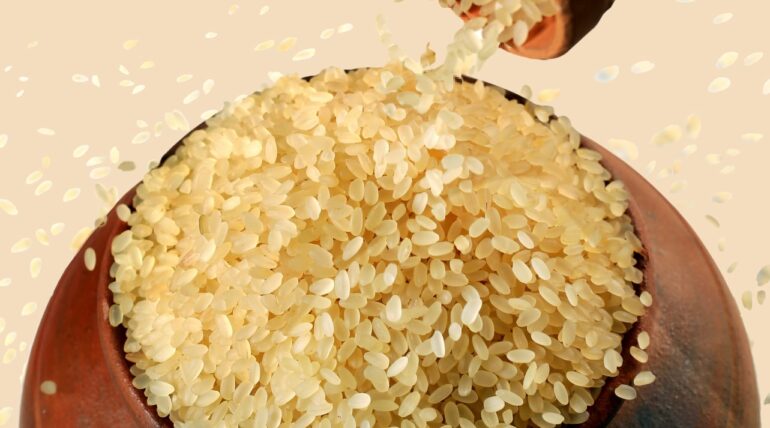
Kerala Kuruva rice, a traditional variety of red rice cultivated in the state of Kerala, is gaining attention for the potential benefits of improving digestion and gut health. This rice is high in dietary fiber and is a source of important nutrients that contribute to healthy digestion and overall health.

Nutritional Profile of Kerala Kuruva Rice

Kerala Kuruva rice possesses bran and germ layers, which are a good source of dietary fiber, vitamins, and minerals. This structure gives Kerala Kuruva rice its reddish color, as well as the nutritional profile that it possesses. The fiber, in particular, helps maintain optimal digestion, while antioxidants and nutrients maintain overall health.

In our modern conveniences and lifestyle, convenience always pulls us towards processed foods that are nutritionally-poor.  Eating real food is much preferable, (not polished white rice devoid of fiber and nutrition). When we eat ancient grains, we are not only making a better choice for our health, but we also help to sustain farming practices that trace forward through generations; employing local farmers who grow heirloom varieties. For families, who are trying to strengthen their roots toward health, eating grains such as Kerala Kuruva rice is a free-be. While it has a more nutty taste, it also turns health into a fun experience that is part of our meals instead of a mundane must-do. Going back to eating natural foods is an easy step towards easy digestion and gut health, and health period!

Many people refer to gut health as the bedrock of overall wellness. A healthy gut not only helps our body digest food, but it also provides proper immune health, improves mood and even helps our skin. Kerala Kuruva rice is a fantastic remedy for maintaining gut integrity because of its rich, natural fiber and antioxidants. The fiber acts as a soft brush to the intestines gently pushing waste materials out of the body, and allowing for good treat of the intestinal flora. This friendly flora is responsible for developing short-chain fatty acids (SCFAs) that provide nourishment for our gut lining and help to decrease inflammation. The natural antioxidants in Kuruva rice also help to combat oxidative stress inside the digestive system, increase healing, and allow for better absorption of nutrients. Persistence with Kuruva rice has shown to prevent symptoms of common digestive disturbances like bloating, indigestion and Irritable bowel symptoms. Kuruva rice is more sustainable than any quick-fix probiotic supplements – it is just a natural source of nurturing gut health. Provided it is easy on the stomach, its taste and texture can make healthy eating feel less like a chore and more like an enjoyable experience.

Benefits for Digestion and Gut Health

1. High Dietary Fiber

The primary reason that Kerala Kuruva rice promotes digestive health is that it is high in dietary fiber. Fiber promotes regular bowel transit time and helps control constipation symptoms. Fiber is also a prebiotic, allowing it to feed the healthy bacteria in your gut. This helps balance the gut microbiome, which is vital to digestion and absorption of nutrients.

2. Low Glycemic Index

Kerala Kuruva rice is classified as having a low glycemic index, which allows it to release glucose gradually, and this can help stabilizing blood sugars by preventing the sharp increase that can be experienced when glucose is released into the bloodstream more rapidly, which can also affect the digestive process.

3. High in Antioxidants

The red color present in Kerala Kuruva rice is contributed by antioxidants called anthocyanins, which can help with inflammation in the gut, and therefore support healthy gut.

4. Nutritional

Slow Release Kerala Kuruva rice is a good source of nutrients like magnesium and B vitamins. Magnesium supports muscle function, including digestive tract muscles, and B vitamins support energy metabolism, and keeping organs in the digestive tract healthy.

Incorporating Kerala Kuruva Rice into Your Meals

To gain the digestive benefits of Kerala Kuruva rice, consider adding it to your meals instead of white rice. It has a nutty flavor and chewy texture, allowing it to fit in a variety of foods. Soaking the rice first before cooking, can help to shorten the cooking process while improving digestibility.

Its high fiber content, low glycemic index, antioxidant qualities, and nutritional value all support digestion and gut health, making Kerala Kuruva rice a great option. If you want to experience some of the benefits of this traditional rice, including digestive health, we invite you to incorporate it into your meals.If you are interested in experiencing the traditional experience of authentic Kerala Kuruva rice, visit Rabbitmill – it is a step toward healthier digestive health.
Read More
palakkad rice

Palakkad Matta Rice versus White Rice: Which is Healthier?

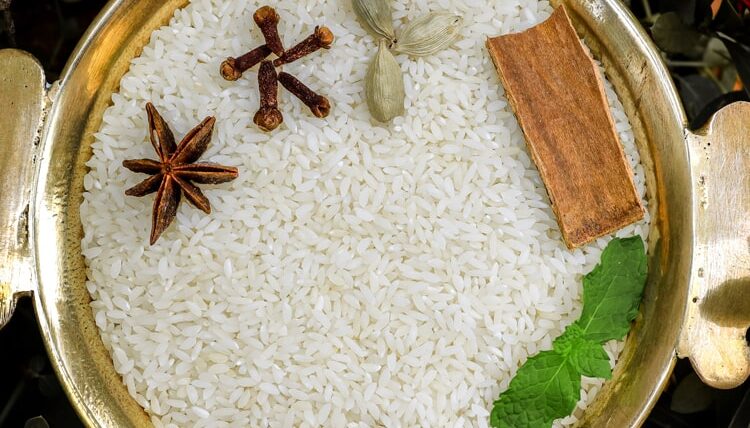
Rice has become a staple food in many diets across the world, and selecting the right type can have a tremendous effect on your health. There are countless rice varieties available, but Palakkad Rice – also known as Kerala Matta or Rose Matta rice – is unique in its color, texture, and nutrients. So how does it stack up to white rice, one of the most commonly used rice? We’ll examine how they are different and, hopefully, come to a conclusion about which is healthier. 

Nutritional Comparison

Palakkad Rice is unique because it is famous for preserving its outer bran layer which gives it a reddish color and possesses an excellent nutrient profile. White rice, on the other hand, is extensively milled and polished so that the bran and germ layers are removed completely losing vital nutrients in the process.

Health Benefits of Palakkad Matta Rice

1. High in Fiber: 

Palakkad rice has a higher amount of fiber than white rice, which assists digestion, boosts regularity, and can provide a longer sense of fullness, assisting your body in maintaining a healthy metabolism.

2. Heart Health: 

With lower amounts of fat, saturated fat, and cholesterol than white rice, Matta rice is a heart-friendly choice, as it assists your body in preventing plaque from building in your arteries, which can lead to heart disease. Source: Keerthi Nirmal 

3. Blood Sugar Control: 

The higher content of fiber in Matta rice slows how quickly sugars are absorbed into your bloodstream, allowing for better blood sugar control for someone with diabetes. As a rule-of-thumb, the higher the fiber content, the better the source is for helping with blood sugar control.

4. Stronger Bones: 

Comparing its calcium content, Matta rice is higher than white rice, which means it may provide better bone health due to the higher amount of calcium. Source: Keerthi Nirmal

5. Antioxidants & Phytochemicals: 

Palakkad rice is a rich source of the benefits of antioxidants, such as anthocyanins, which help fight free radicals that can lead to chronic disease. Source: Netmeds  

6. Source of B Vitamins: 

Comparing Matta rice to white rice, Matta rice is an excellent source of vitamins A & B which are all essential for a healthy functioning immune system; eye health; and maintaining metabolism. Source: The Better India

Factors to Consider When Choosing Matta Rice vs. White Rice

While Matta rice definitely has health benefits, individual preference and dietary requirements should always be considered:

  •  Cooking time and texture:

Matta rice has a coarser texture and cooking time than white rice. Its flavor may be too earthy for some.

  • Availability: 

Depending on where you live, you might not have access to Matta rice, or it could be harder to find than white rice.

  • Dietary goals: 

If nutrient density and health benefits are your primary focus, then Matta rice is the better choice. 

For those looking for milder flavor and softer texture, white rice is likely the better choice.

In the case for Palakkad rice vs. white rice, Matta rice is the healthier choice that offers more nutrients, higher fiber content, and health benefits. Choosing Matta rice over white rice contributes to improved digestion, heart health, blood sugar regulation, and is good for bones.

If you’re ready to gain the health benefits associated with Palakkad rice, try obtaining it from Rabbitmill because they provide real and good quality Matta rice. Choose the better choice for a better you.
Disclaimer: Always consult with a doctor or registered dietician prior to making major dietary changes.

Read More
kerala rice mill

How Kerala Rice Mill Process Paddy into High-Quality Rice

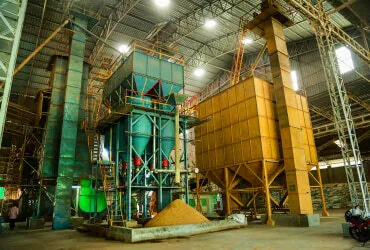
For Keralites across the world, a meal is incomplete without rice. But with paddy fields shrinking, the quality of rice on your plate now depends more than ever on how well it is processed. That’s where Kerala rice mill steps in, transforming raw paddy into the wholesome, high-quality rice you enjoy every day.

Ever wondered how this process works? 

Let’s take a closer look at how paddy is turned into premium rice in Kerala’s modern rice mills.

1. Sourcing the Best Paddy

It all starts with selecting the finest paddy from Kerala’s lush fields and beyond. Kerala rice mills work closely with local farmers and farmer associations to source:

  • The right paddy varieties (like Matta, Ponni, or Jeerakasala)
  • Grains that are optimally matured for better taste and texture
  • Paddy grown using chemical-free and organic farming methods for healthier rice

Since the quality of rice depends on the paddy itself, Kerala rice mills ensure that only the best grains make it to the processing stage—preserving the authentic taste, aroma, and nutrition of traditional Kerala rice.

2. Cleaning and Removing Impurities

Before processing begins, the paddy undergoes a thorough cleaning process to remove:

  • Dirt, dust, and mud
  • Small stones and broken grains
  • Insect-infested or damaged grains

Advanced cleaning machines—equipped with sieves, air blowers, and gravity separators—ensure that only clean, high-quality paddy moves forward. This crucial step guarantees that every grain of rice is safe and pure.

3. Drying the Paddy for Better Processing

Paddy needs just the right amount of moisture—between 12% and 14%—for optimal storage and milling. Too much moisture can cause rotting, while overly dry grains may break. Kerala rice mills use two methods to achieve the perfect balance:

  • Sun drying – A traditional method where paddy is spread on large concrete floors and dried under the sun with careful monitoring.
  • Mechanical drying – Industrial dryers are used to ensure uniform drying, prevent spoilage, and reduce the risk of fungal growth.

4. Parboiling – A Unique Kerala Rice Processing Step

Parboiling is a distinct feature of Kerala rice mills, especially when processing Matta rice and other traditional varieties. This process helps retain nutrients, makes the rice less sticky, and gives it a fluffier texture. No wonder parboiled rice is a favorite among Keralites!

The parboiling process involves:

  1. Soaking the paddy in warm water to enhance nutrient content
  2. Steaming to harden the grains and improve texture
  3. Drying the steamed paddy before milling

5. De-Husking – Removing the Outer Husk

Next, the tough outer husk of the paddy is removed. Kerala rice mills use rubber rollers or husking machines to:

  • Gently remove the husk without breaking the grains
  • Separate whole grains from broken ones
  • Minimize wastage and maximize efficiency

Interestingly, the rice husk collected from this process is repurposed—either as fuel for the mills or as an ingredient in animal feed.

6. Polishing and Whitening

The polishing step is what gives rice its smooth texture. Keralites have varied preferences when it comes to polished vs. unpolished rice. While some love unpolished rice like Kerala Matta for its natural nutrients, others prefer polished rice for its refined texture and taste.

To cater to both choices, Kerala rice mills follow a careful polishing process that includes:

  • Gently rubbing rice grains to remove the bran layer
  • Using mist sprays to enhance the rice’s shine
  • Applying a light coating (sometimes of glucose or talc) for an appealing look

7. Sorting and Grading for Quality Control

Before packaging, the rice is sorted and graded based on:

  • The size and shape of the grains
  • The percentage of broken grains
  • Color and overall appearance

Modern Kerala rice mills use optical sorting machines to detect and remove defective grains, ensuring only the best-quality rice is selected for sale.

8. Packaging to Maintain Freshness

Freshness is key when it comes to rice, and Kerala rice mills take packaging seriously. They use:

  • Airtight, moisture-proof bags to prevent spoilage
  • Vacuum-sealed or nitrogen-flushed packs for extended shelf life
  • Eco-friendly, biodegradable packaging for sustainability

Many premium brands have also started adding QR codes to their packaging, allowing buyers to trace the origins of their rice.

9. Distribution and Delivery to Markets

Once packaged, the rice is swiftly distributed to:

  • Local grocery stores and supermarkets
  • Restaurants and hotels
  • Online platforms for home delivery

Additionally, many Kerala rice mills export high-quality rice worldwide to meet the ever-growing demand from Malayalees living abroad.

Why Choose Rice from a Kerala Rice Mill?

If you want authentic, high-quality rice, choosing a trusted Kerala rice mill—like Rabbit Mark Modern Rice Mill—makes all the difference. Here’s why:

  • Locally sourced, traditionally processed – Kerala rice mills focus on native rice varieties that retain their original taste and nutrition.
  • Strict quality control – From sourcing to packaging, every step is carefully monitored to ensure only the best rice reaches your kitchen.
  • Sustainable practices – Many rice mills use eco-friendly techniques like solar drying and biodegradable packaging.

So, the next time you buy rice, take a moment to check where it comes from. Choosing rice from a Kerala rice mill means you’re getting freshness, purity, and a taste that feels just like home.

Read More
rice mill in palakkad

How Rice Mill in Palakkad Play a Key Role in Kerala’s Rice Production

Rice is a staple food for most people in Kerala. The demand for high-quality rice never fades. Rice mill in Palakkad help meet this demand by processing raw paddy into edible rice. Their role in the state’s food supply is significant.

Why Palakkad is the Rice Bowl of Kerala

  • Palakkad has vast paddy fields and a favorable climate for rice cultivation.
  • The district produces a major share of Kerala’s rice.
  • Traditional and modern farming methods ensure a steady supply of paddy.
  • The region’s fertile soil supports the growth of different rice varieties.

How Rice Mill in Palakkad Support Farmers

  • They buy paddy directly from farmers, ensuring a fair price.
  • Mills handle large quantities, reducing wastage.
  • Farmers get faster payments, helping them reinvest in the next crop cycle.
  • Some mills offer drying and storage facilities to protect paddy from moisture damage.

The Milling Process in Palakkad

Rice mill in Palakkad follow a structured process to turn paddy into high-quality rice.

  1. Cleaning – Removes dirt, stones, and other impurities.
  2. Husking – Separates the husk from the grain.
  3. Polishing – Enhances texture and appearance.
  4. Sorting – Segregates broken and whole grains.
  5. Packaging – Ensures the rice remains fresh and ready for distribution.

Advancements in Rice Mills

  • Modern mills use automation to speed up processing.
  • Quality control measures help maintain consistency.
  • Eco-friendly methods reduce water and energy consumption.
  • Some mills recycle byproducts like husk and bran for animal feed or biofuel.

Economic Contribution of Rice Mills in Palakkad

  • Provide employment to thousands of workers.
  • Support allied industries like transport and packaging.
  • Boost local businesses through trade and exports.
  • Strengthen Kerala’s self-sufficiency in rice production.

Challenges Faced by Rice Mills

  • Fluctuations in paddy prices impact profitability.
  • Climate change affects yield and quality.
  • Competition from imported rice reduces local sales.
  • Rising operational costs, including labor and electricity.

How Consumers Benefit

  • Access to fresh and locally sourced rice.
  • Varied options, from raw rice to parboiled and semi-polished grains.
  • Trusted quality from established rice mills.

The Road Ahead

Rice mills in Palakkad continue to evolve with changing market needs. Their role in Kerala’s food production remains crucial. With improved technology and sustainable practices, mills like Rabbit Mark Modern Rice Mill will keep supporting farmers and feeding families for generations to come.

Read More